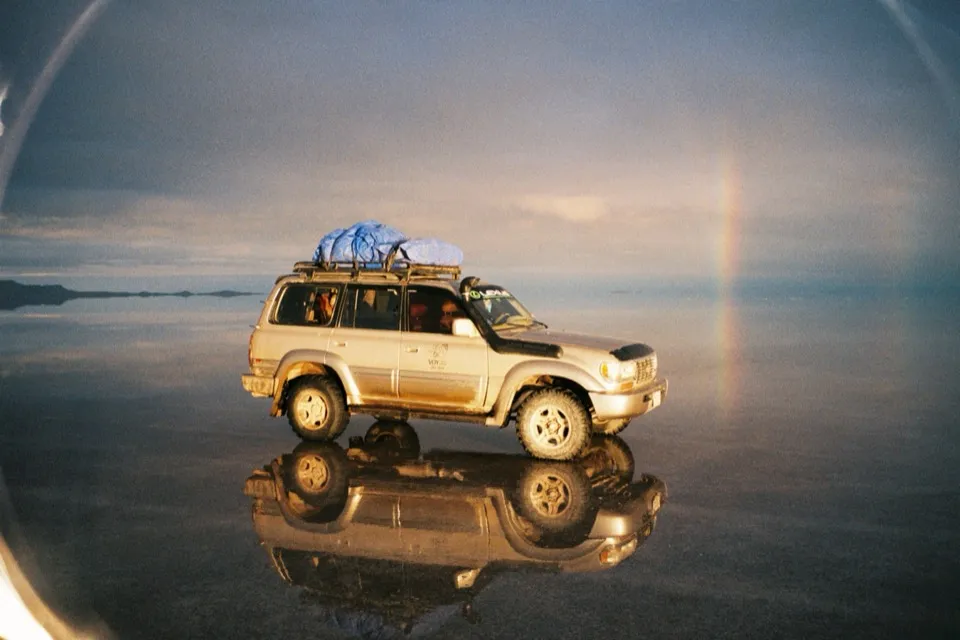
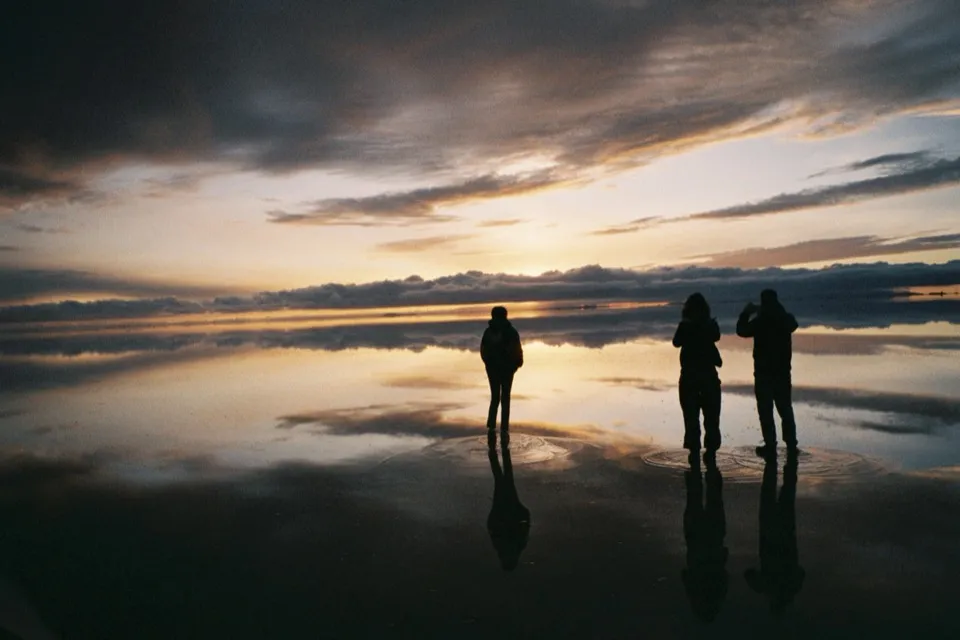
South America / Destination guide
Bolivia
Rugged landscapes, high-altitude cities and refreshingly behind the times.
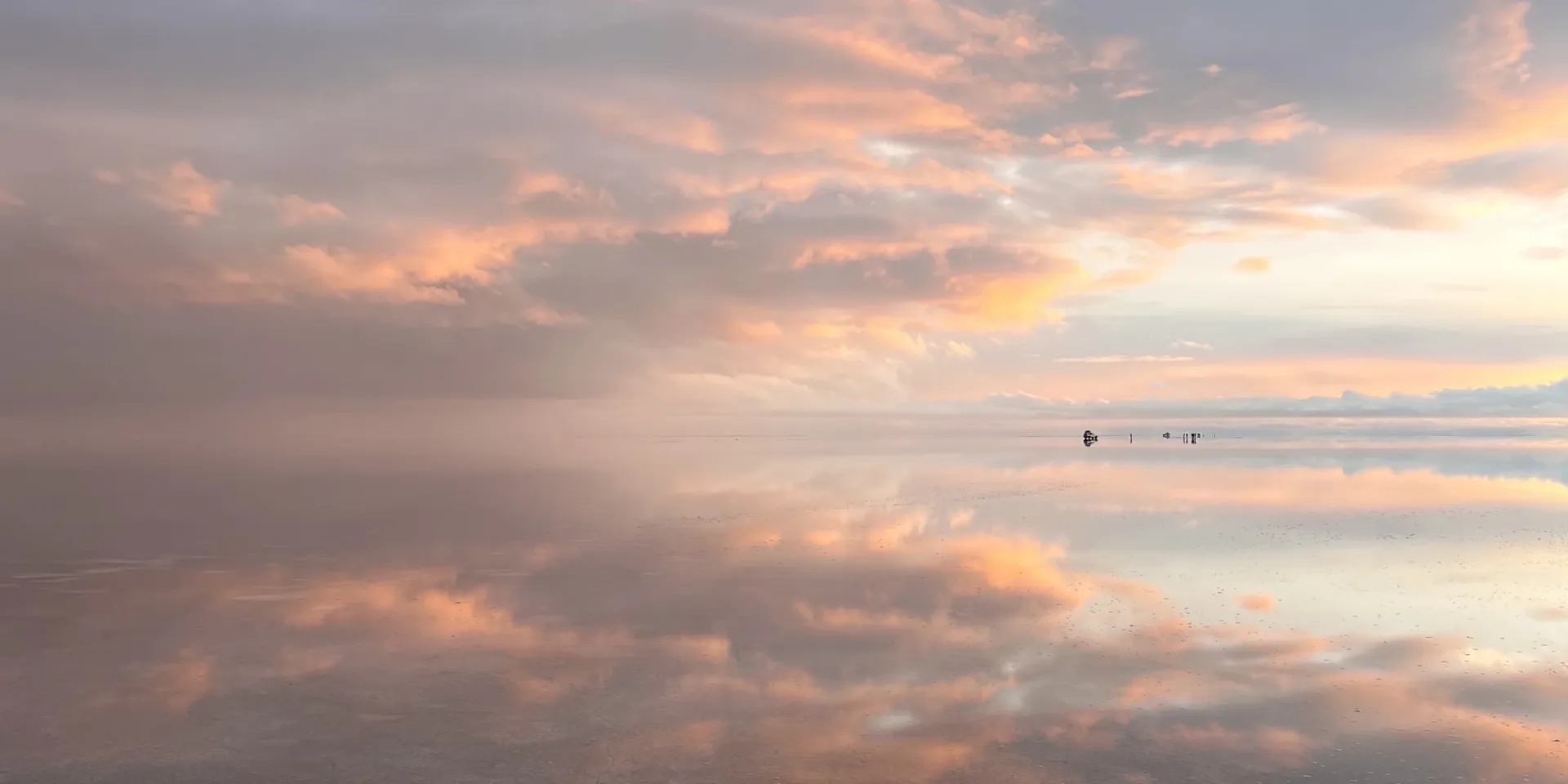
A first look at Bolivia
Quick Bolivia Facts
- Capital
- Sucre and La Paz
- Languages
- Spanish, Quechua, Aymara
- Currency
- Boliviano (Bs)
- Time zone
- UTC−4
- Plugs
- Type AType C
Explore Bolivia with these guides
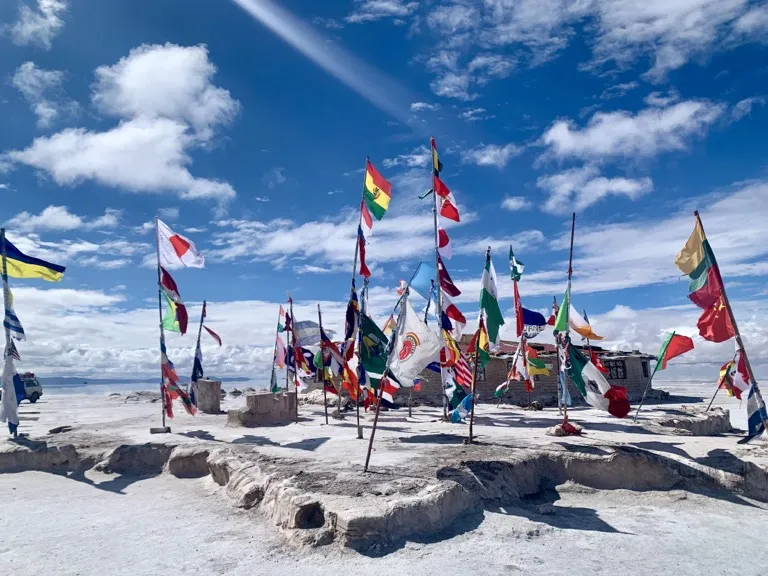
Sud Lípez · Southwest Bolivia
4-Day Uyuni Salt Flats Tour from Tupiza
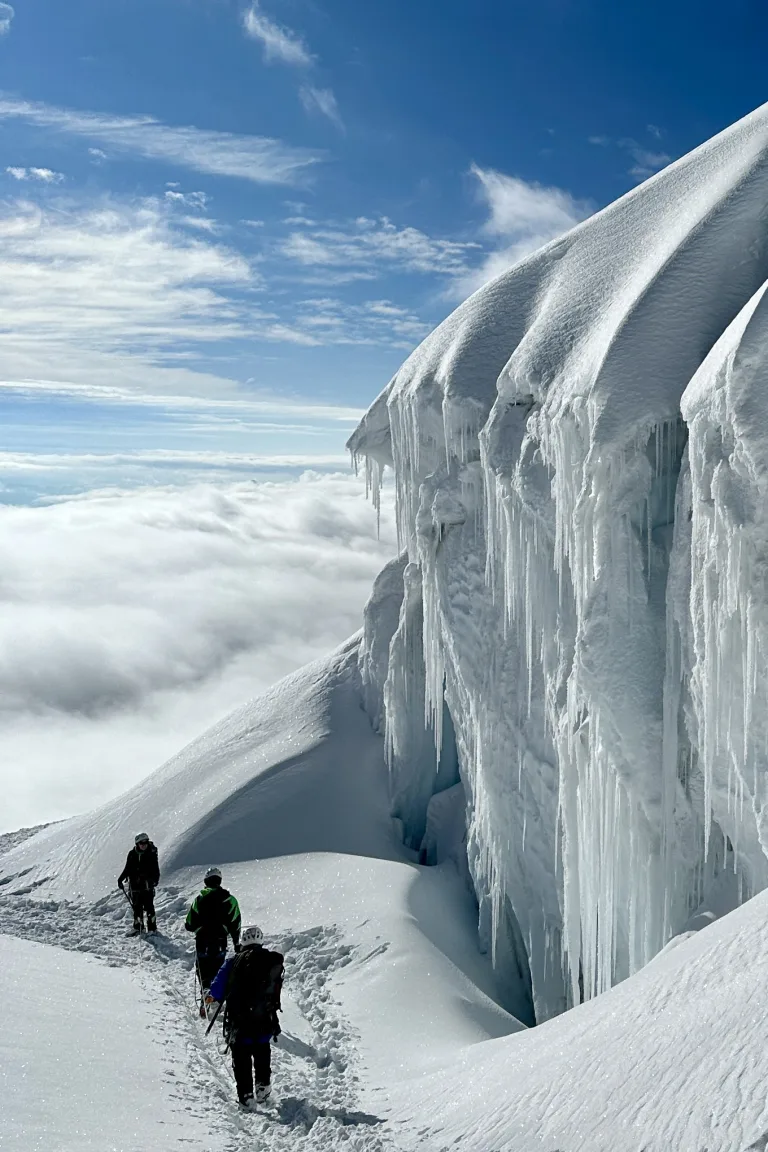
La Paz · Cordillera Real
Summiting Huayna Potosi
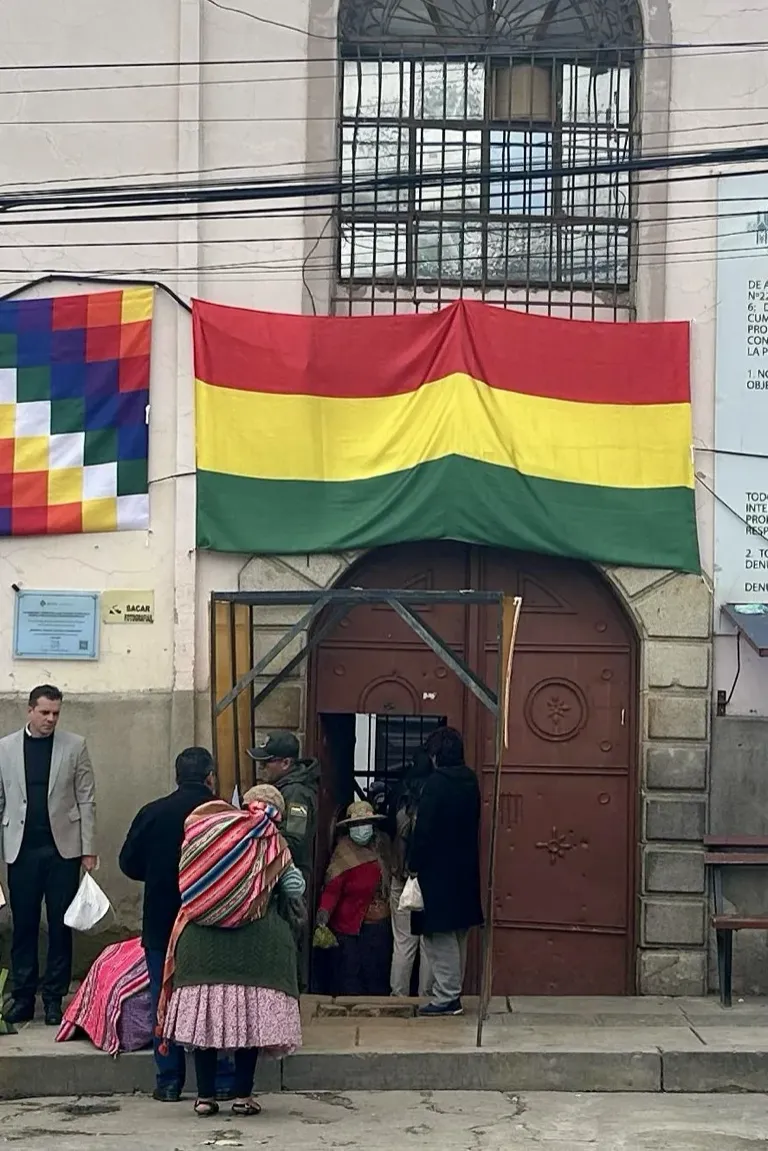
La Paz · Plaza Sucre
San Pedro Prison Tour
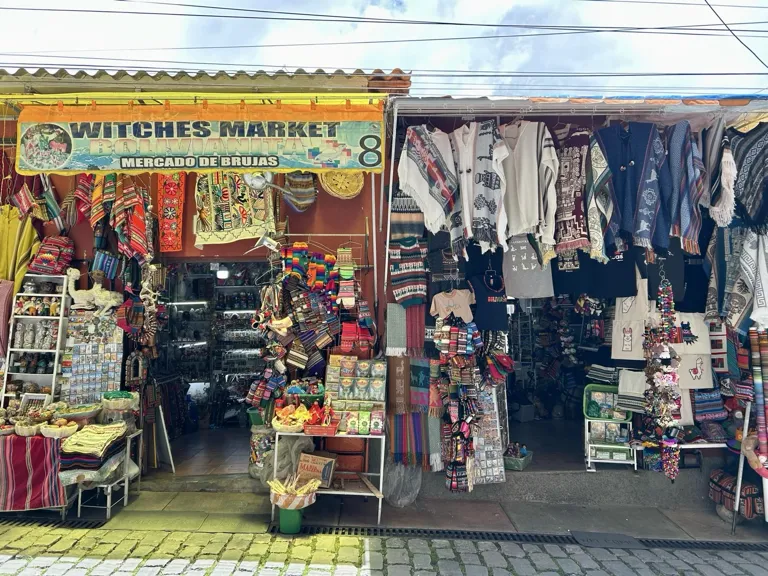
La Paz · Nightlife
Inside the Infamous Route 36
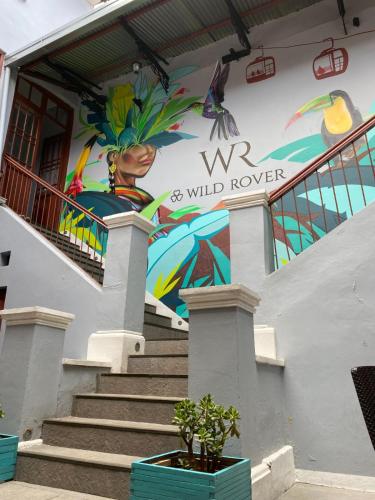


Plan your entire Bolivia trip here
When to visit
Best overall time to visit Bolivia
May to October
Highlands seasons
- Dry SeasonMay – Oct
- Shoulder MonthsApr, Nov
- Rainy SeasonDec – Mar
Valleys seasons
- Dry SeasonMay – Oct
- Shoulder MonthsApr, Nov
- Rainy SeasonDec – Mar
Amazon seasons
- Dry SeasonMay – Oct
- Wet SeasonNov – Apr
- January: rainy, 17°C, poor for visitingJanuary: rainy, 63°F, poor for visiting
- February: rainy, 17°C, poor for visitingFebruary: rainy, 63°F, poor for visiting
- March: rainy, 17°C, mixed for visitingMarch: rainy, 63°F, mixed for visiting
- April: partly sunny, 17°C, mixed for visitingApril: partly sunny, 63°F, mixed for visiting
- May: sunny, 17°C, good for visitingMay: sunny, 63°F, good for visiting
- June: sunny, 15°C, best for visitingJune: sunny, 59°F, best for visiting
- July: sunny, 15°C, best for visitingJuly: sunny, 59°F, best for visiting
- August: sunny, 16°C, best for visitingAugust: sunny, 61°F, best for visiting
- September: partly sunny, 17°C, good for visitingSeptember: partly sunny, 63°F, good for visiting
- October: partly sunny, 18°C, good for visitingOctober: partly sunny, 64°F, good for visiting
- November: partly sunny, 18°C, mixed for visitingNovember: partly sunny, 64°F, mixed for visiting
- December: sun and showers, 17°C, poor for visitingDecember: sun and showers, 63°F, poor for visiting
- January: rainy, 22°C, mixed for visitingJanuary: rainy, 72°F, mixed for visiting
- February: rainy, 22°C, poor for visitingFebruary: rainy, 72°F, poor for visiting
- March: rainy, 22°C, mixed for visitingMarch: rainy, 72°F, mixed for visiting
- April: partly sunny, 21°C, good for visitingApril: partly sunny, 70°F, good for visiting
- May: sunny, 20°C, best for visitingMay: sunny, 68°F, best for visiting
- June: sunny, 19°C, best for visitingJune: sunny, 66°F, best for visiting
- July: sunny, 19°C, best for visitingJuly: sunny, 66°F, best for visiting
- August: sunny, 20°C, good for visitingAugust: sunny, 68°F, good for visiting
- September: partly sunny, 21°C, good for visitingSeptember: partly sunny, 70°F, good for visiting
- October: partly sunny, 22°C, mixed for visitingOctober: partly sunny, 72°F, mixed for visiting
- November: rainy, 23°C, mixed for visitingNovember: rainy, 73°F, mixed for visiting
- December: sun and showers, 22°C, mixed for visitingDecember: sun and showers, 72°F, mixed for visiting
- January: rainy, 31°C, poor for visitingJanuary: rainy, 88°F, poor for visiting
- February: rainy, 31°C, poor for visitingFebruary: rainy, 88°F, poor for visiting
- March: rainy, 31°C, poor for visitingMarch: rainy, 88°F, poor for visiting
- April: partly sunny, 31°C, mixed for visitingApril: partly sunny, 88°F, mixed for visiting
- May: partly sunny, 31°C, mixed for visitingMay: partly sunny, 88°F, mixed for visiting
- June: partly sunny, 28°C, good for visitingJune: partly sunny, 82°F, good for visiting
- July: sunny, 28°C, best for visitingJuly: sunny, 82°F, best for visiting
- August: partly sunny, 29°C, best for visitingAugust: partly sunny, 84°F, best for visiting
- September: partly sunny, 30°C, good for visitingSeptember: partly sunny, 86°F, good for visiting
- October: partly sunny, 31°C, mixed for visitingOctober: partly sunny, 88°F, mixed for visiting
- November: rainy, 31°C, mixed for visitingNovember: rainy, 88°F, mixed for visiting
- December: rainy, 31°C, poor for visitingDecember: rainy, 88°F, poor for visiting
Travelling between cities
Select two cities above to see transport options.
Or try
Do you need a visa?
- Argentina
- Australia
- Austria
- Belgium
- Brazil
- Canada
- Chile
- China
- Colombia
- Costa Rica
- Croatia
- Czech Republic
- Denmark
- Ecuador
- Estonia
- Finland
- France
- Germany
- Ghana
- Greece
- Hungary
- Iceland
- India
- Ireland
- Israel
- Italy
- Japan
- Kenya
- Latvia
- Liechtenstein
- Lithuania
- Luxembourg
- Malta
- Mexico
- Netherlands
- New Zealand
- Nigeria
- Norway
- Pakistan
- Paraguay
- Peru
- Poland
- Portugal
- Russia
- Singapore
- Slovakia
- Slovenia
- South Africa
- South Korea
- Spain
- Sweden
- Switzerland
- Thailand
- United Kingdom
- United States
- Uruguay
- Venezuela
- No matches
- Stay
- Cost
Last verified: June 2026
Visa requirements can change. Always confirm with the Bolivia Immigration Service (Migracion Bolivia) or your nearest Bolivian consulate before booking or travelling.
How much will your Bolivia trip cost?
How many days will you be in Bolivia?
Where will you sleep?
Where will you eat?
How will you travel between cities?
Planning to do any hikes?
Your Bolivia budget in
a day
- Accommodation
- Food
- Transport
- Miscellaneous
- Activities
International flights and travel insurance are not included.
Breakdown
Total per person
Currency converter
Come along for the next stop
Every guide on this site comes from a trip I actually made. Leave your email and I'll send you each new one the day it goes live.


- Ecuador
- Iceland
- Georgia
- Albania


Questions you might have
-
Which SIM card should I get in Bolivia?
Entel has the best coverage across Bolivia, particularly if you are travelling outside the main cities or through places like Uyuni and the Altiplano.
-
Is tap water safe to drink in Bolivia?
No, I wouldn’t drink the tap water in Bolivia. Stick to bottled or filtered water, particularly outside the larger cities.
-
How should I prepare for the altitude in Bolivia?
Give yourself time to acclimatise before doing anything strenuous. A lot of Bolivia is already at high altitude, so take your first couple of days slowly.
-
Is Bolivia mostly cash or card?
Bolivia is still very cash-based, so I would always carry bolivianos with me. Cards work in larger hotels, restaurants and supermarkets, but markets, buses and smaller businesses will often require cash.
-
Which ATMs have the lowest fees in Bolivia?
Banco Nacional de Bolivia (BNB), Banco FIE and Banco Mercantil Santa Cruz ATMs are usually the best ATMs to try for low or no local withdrawal fees, although this can depend on your card.
-
Is Bolivia safe to travel?
Bolivia is generally safe to travel, but I would take a few precautions, especially when travelling on overnight buses. I would also make sure to use taxis ordered through an app rather than hailing one from the street.
-
Do roadblocks affect travel in Bolivia?
Yes, they can. Protests, strikes and roadblocks are fairly common and can stop buses and other transport with very little notice, so check locally before any long travel day.
-
Do I need to tip in Bolivia?
I definitely recommend tipping in Bolivia, especially at the end of a tour, when eating at local restaurants, staying in guesthouses or catching a taxi.
Bolivia on 35mm film