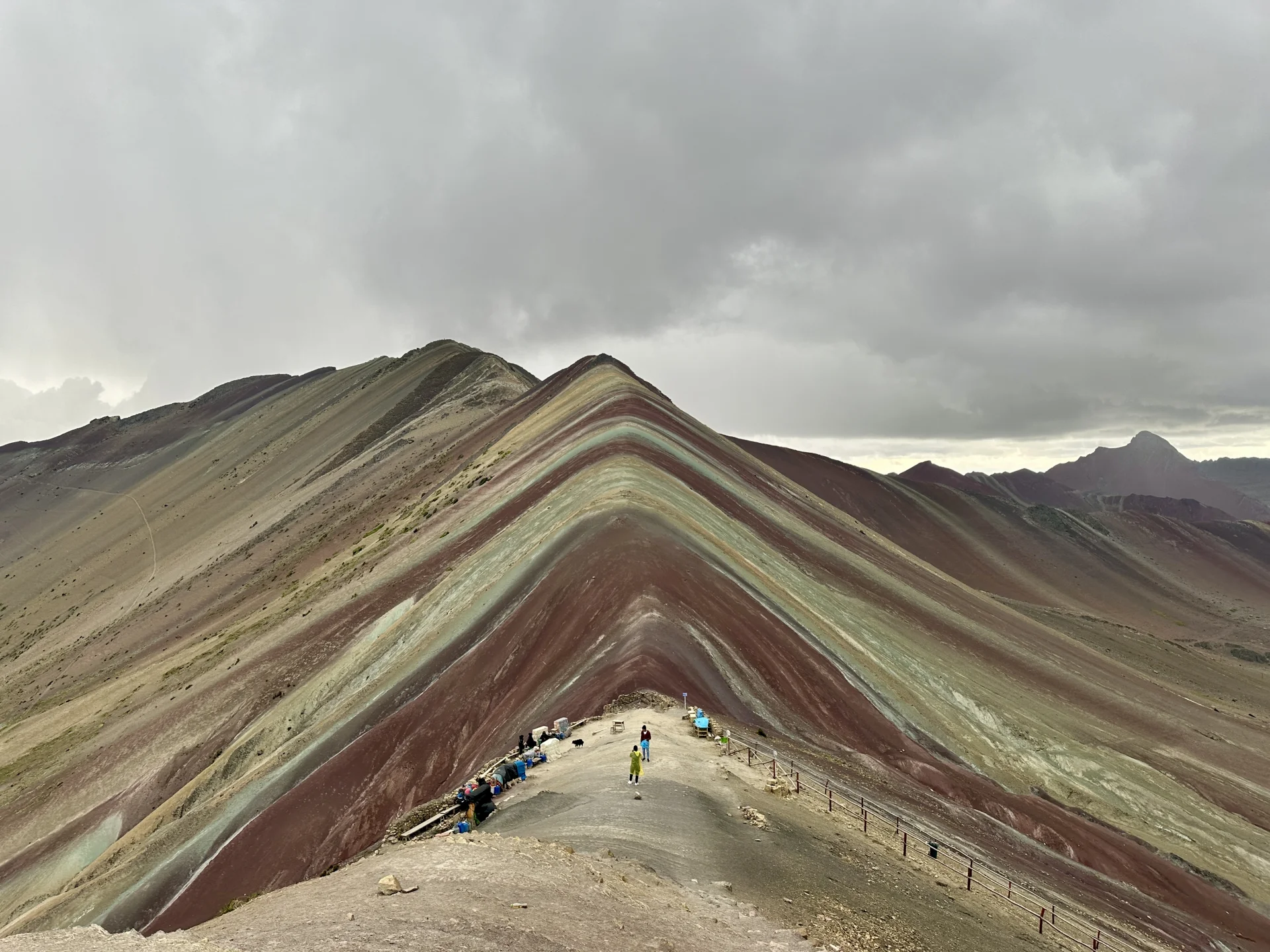
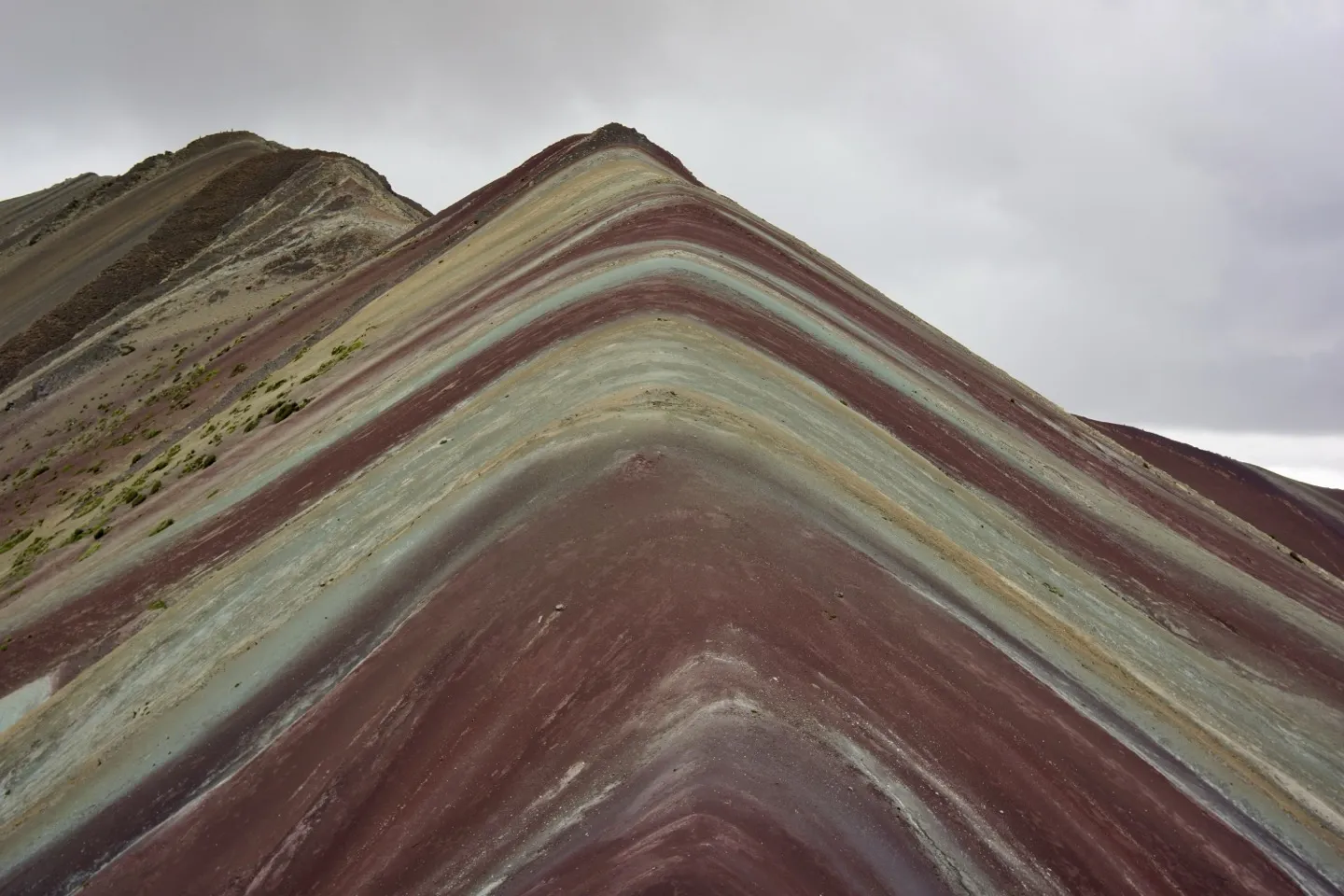
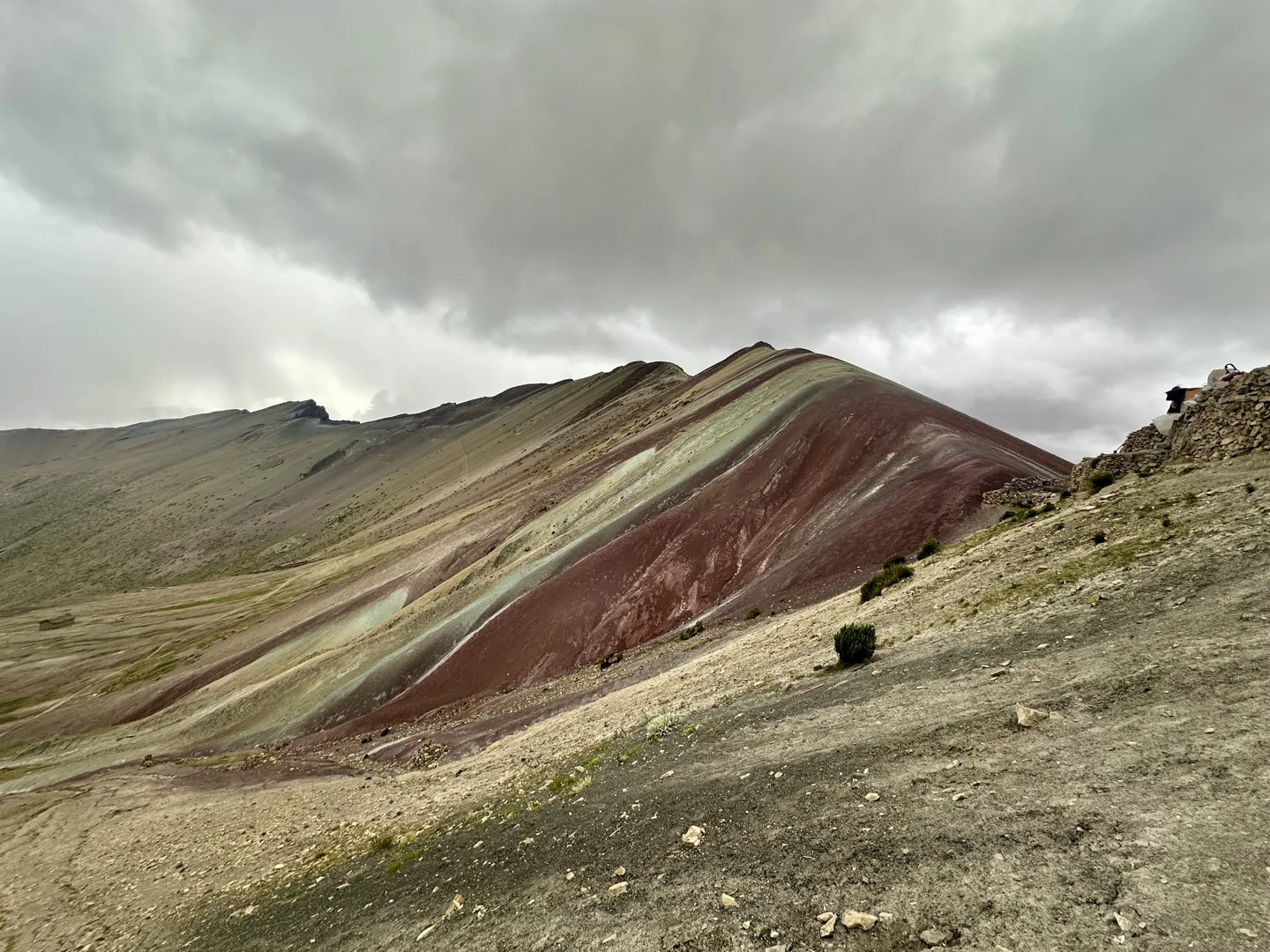
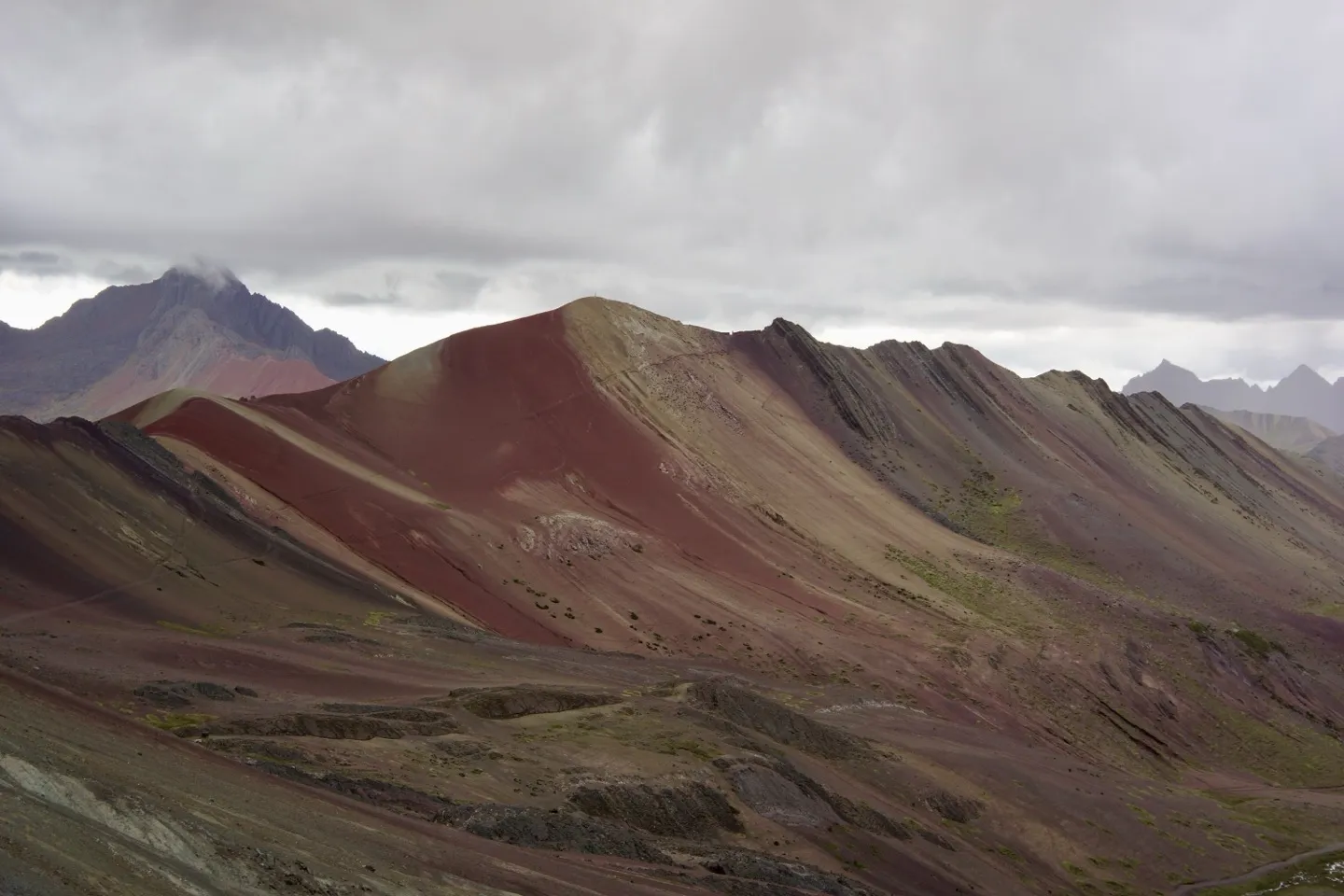
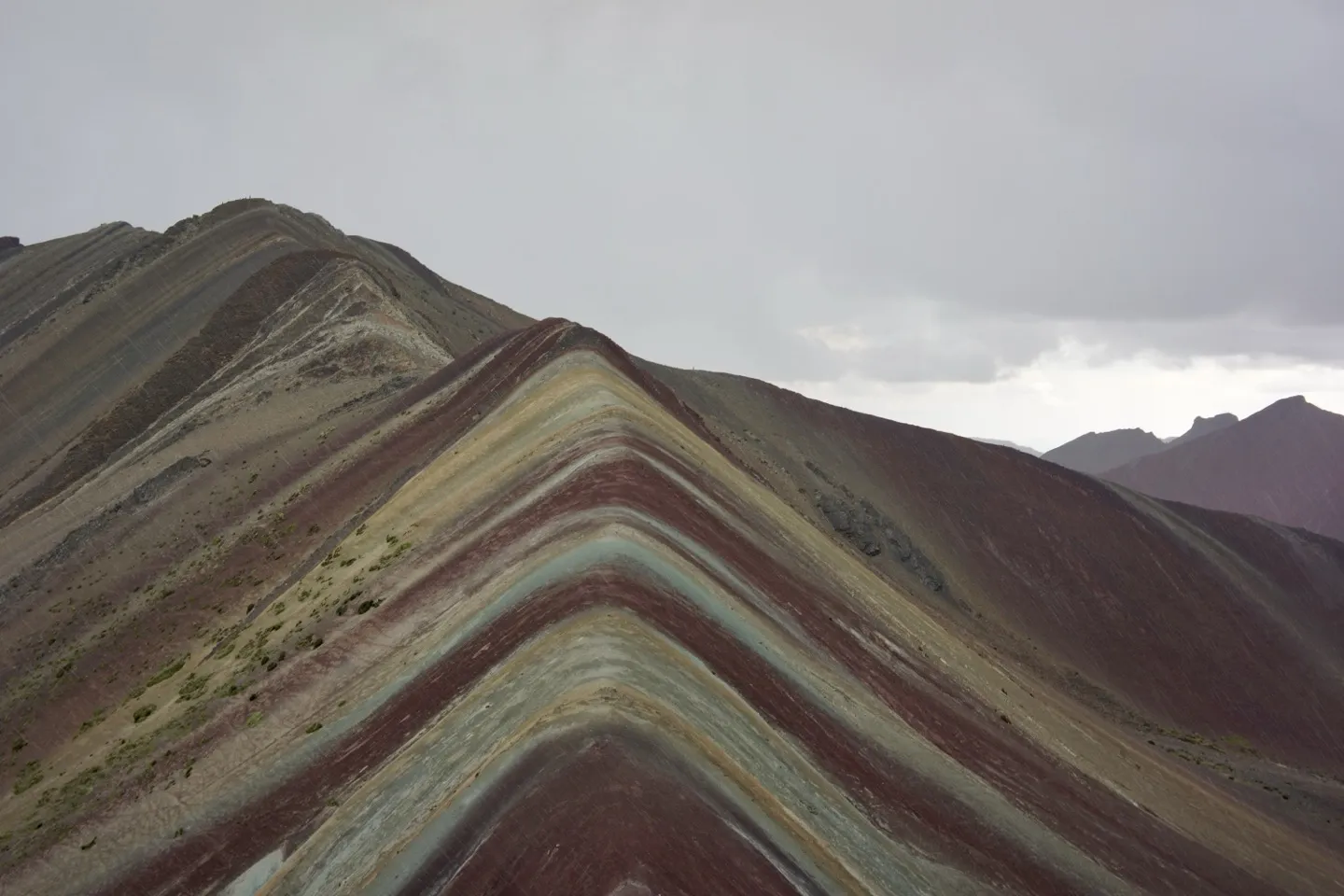
Rainbow Mountain, also known as Vinicunca, is one of the most famous landscapes in Peru. Located a few hours from Cusco, it is known for the seven colours running across the mountainside, especially when the sun hits at the right angle. While it may also be one of the most photoshopped landscapes in Peru, I would still highly recommend visiting while you're in Cusco.
With so many tours leaving Cusco for Rainbow Mountain each day, visiting independently won't necessarily save you much money. The real advantage is being able to leave later and arrive once most groups have headed back to Cusco, potentially having the viewpoint almost to yourself. This guide covers how to get there by public bus and taxi, what it costs and what to expect along the way.
Rainbow Mountain Route Map
Some links are affiliate links. I may earn a small commission at no extra cost to you. Affiliate Disclosure.
The Rainbow Mountain Hike
Cusco → Checacupe
The first step to visiting Rainbow Mountain without a guide is to catch a public bus from Cusco to Checacupe. The public bus terminal is on Avenida Tomasa Tito Condemayta, just across from the hospital. It's about a 2.4 km (1.5 mile) walk from Cusco's main square, so allow around half an hour on foot, or grab a taxi for a small fare if you'd rather save your legs for the mountain.
Going without a guide means you can leave Cusco whenever you like. While most tour groups are setting off at 3am, we left our accommodation around 8am and headed straight to the bus terminal.
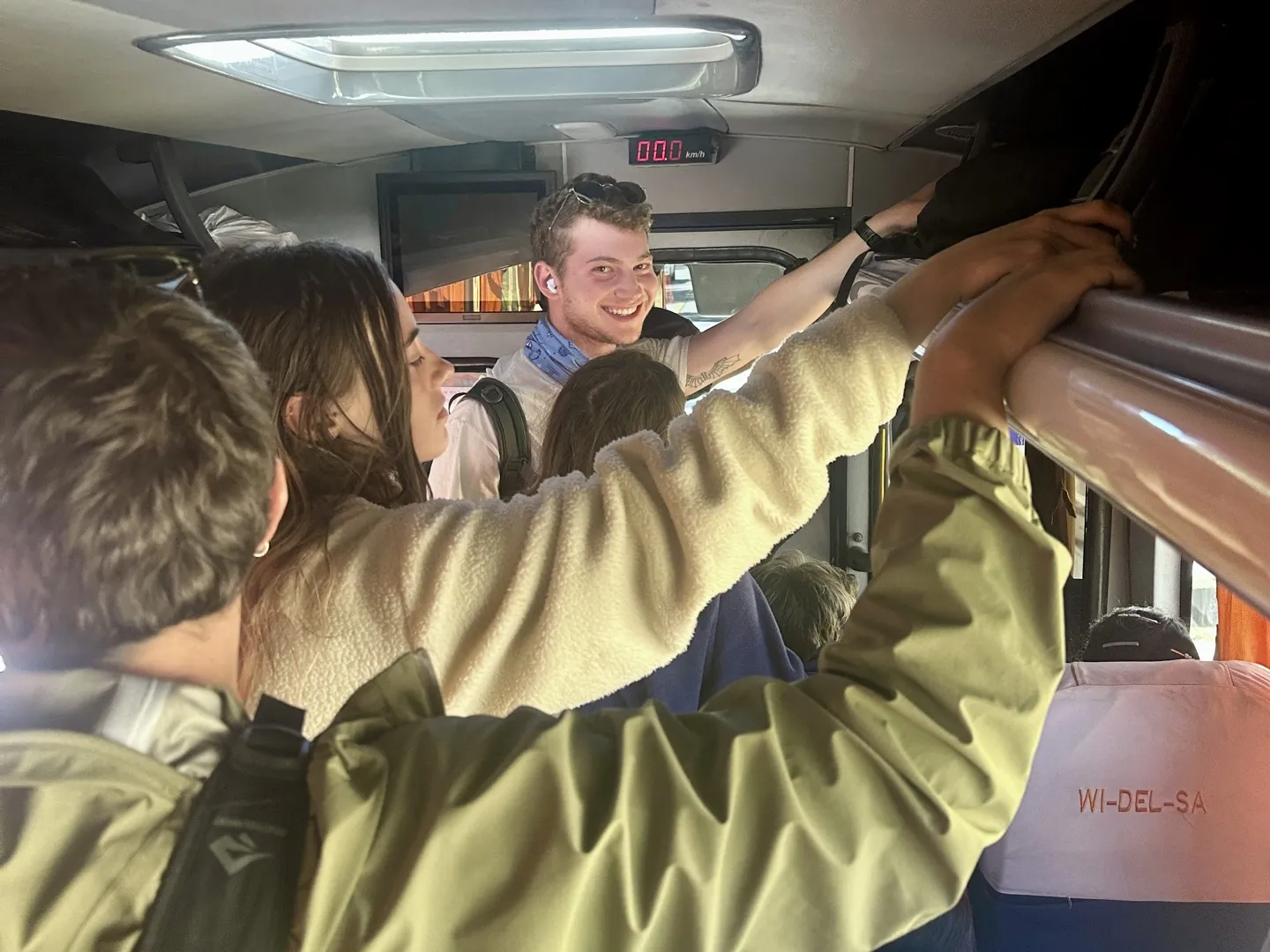
Once you arrive at the public bus terminal, you'll find it busy and slightly chaotic, with very little English spoken. You'll need to look for a bus with Ocongate written on the front, which is its final destination rather than where you'll be getting off. As you board, let both the driver and the person collecting fares know you're heading to Checacupe so they can tell you when your stop is approaching. The journey took us around two hours and cost 7 PEN per person.
Keep small notes handy for the bus fare, as the fare collector may not have change for larger notes, particularly if you're travelling alone.
Checacupe → Rainbow Mountain Trailhead
Once the bus reaches Checacupe, you'll be dropped off on the side of the road, where there is usually a line of taxis waiting for travellers heading to Rainbow Mountain. Before getting into a taxi, I recommend having an early lunch at one of the small roadside shops, or at least stocking up on snacks and water. If there are no taxis waiting when you arrive, as was the case for us, ask one of the shop owners to call one for you.
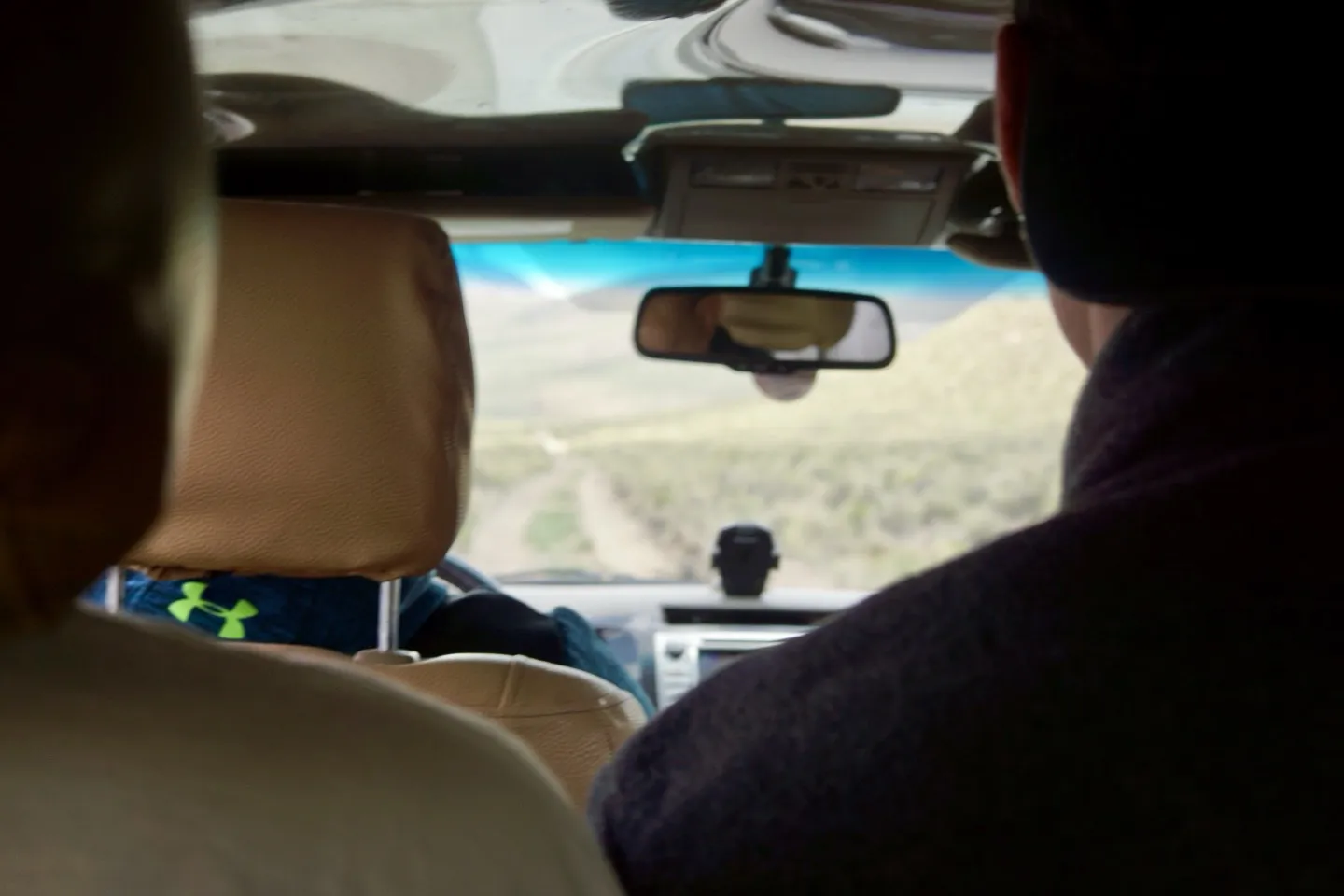
A return taxi between Checacupe and the Rainbow Mountain trailhead should cost around 120–180 PEN, depending on how well you bargain in Spanish. That's the price for the entire taxi, so sharing with others makes it cheaper per person. Before setting off, make sure the driver agrees to wait at the trailhead while you hike and take you back to Checacupe afterwards. There are usually no taxis waiting at the trailhead, so finding another ride back can be difficult if your driver leaves.
Agree to pay half the fare at the trailhead and the remainder when you return to Checacupe. This gives the driver an incentive to wait while you complete the hike.
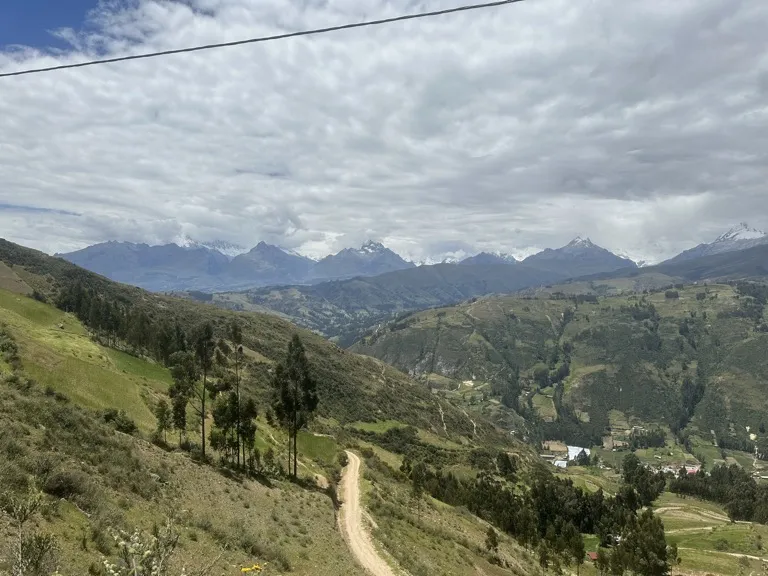
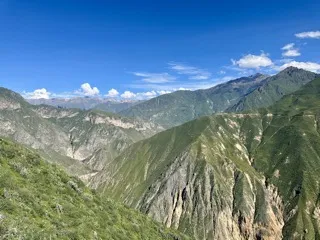
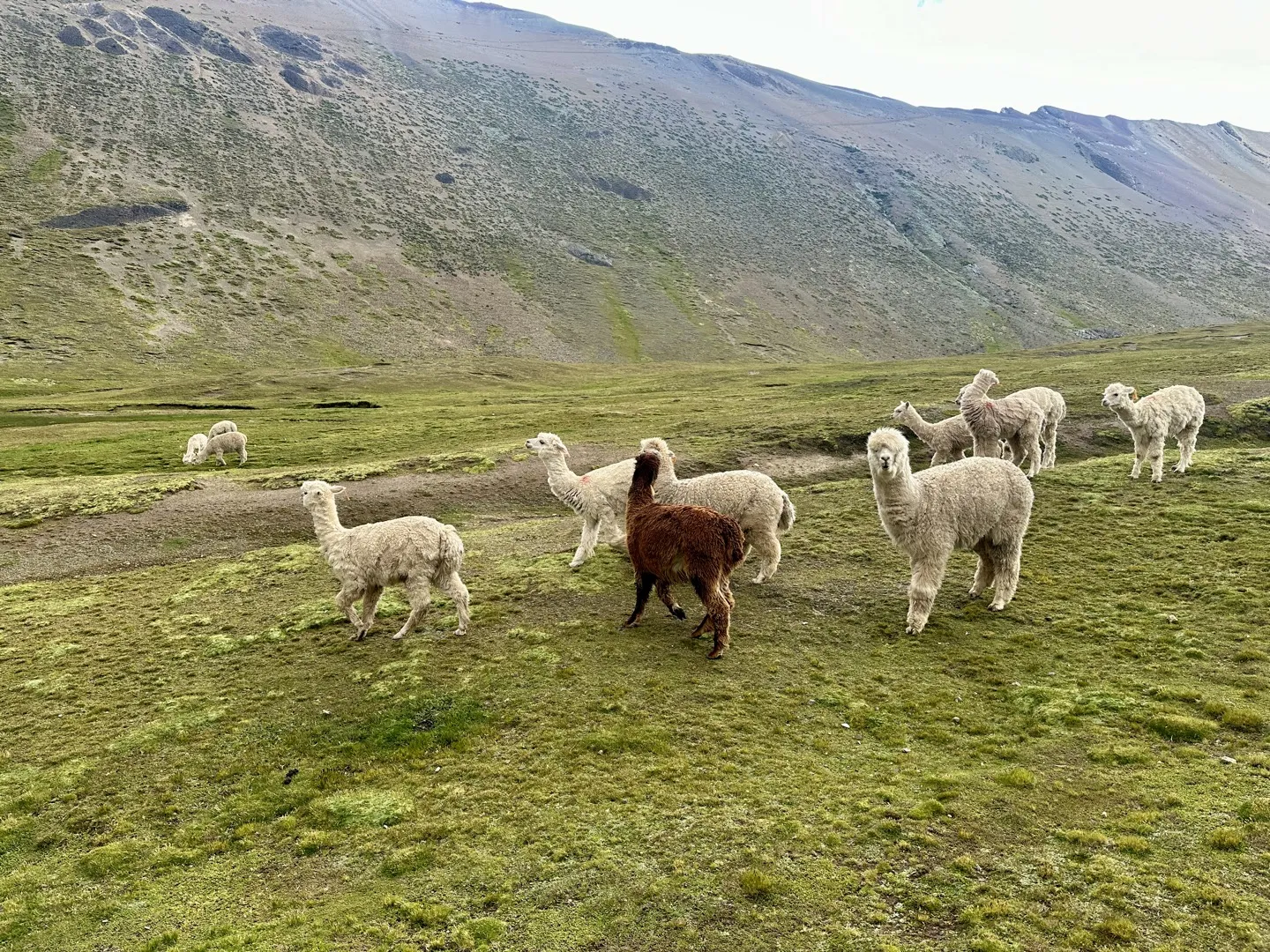
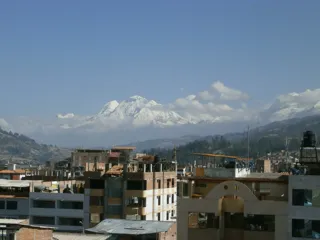
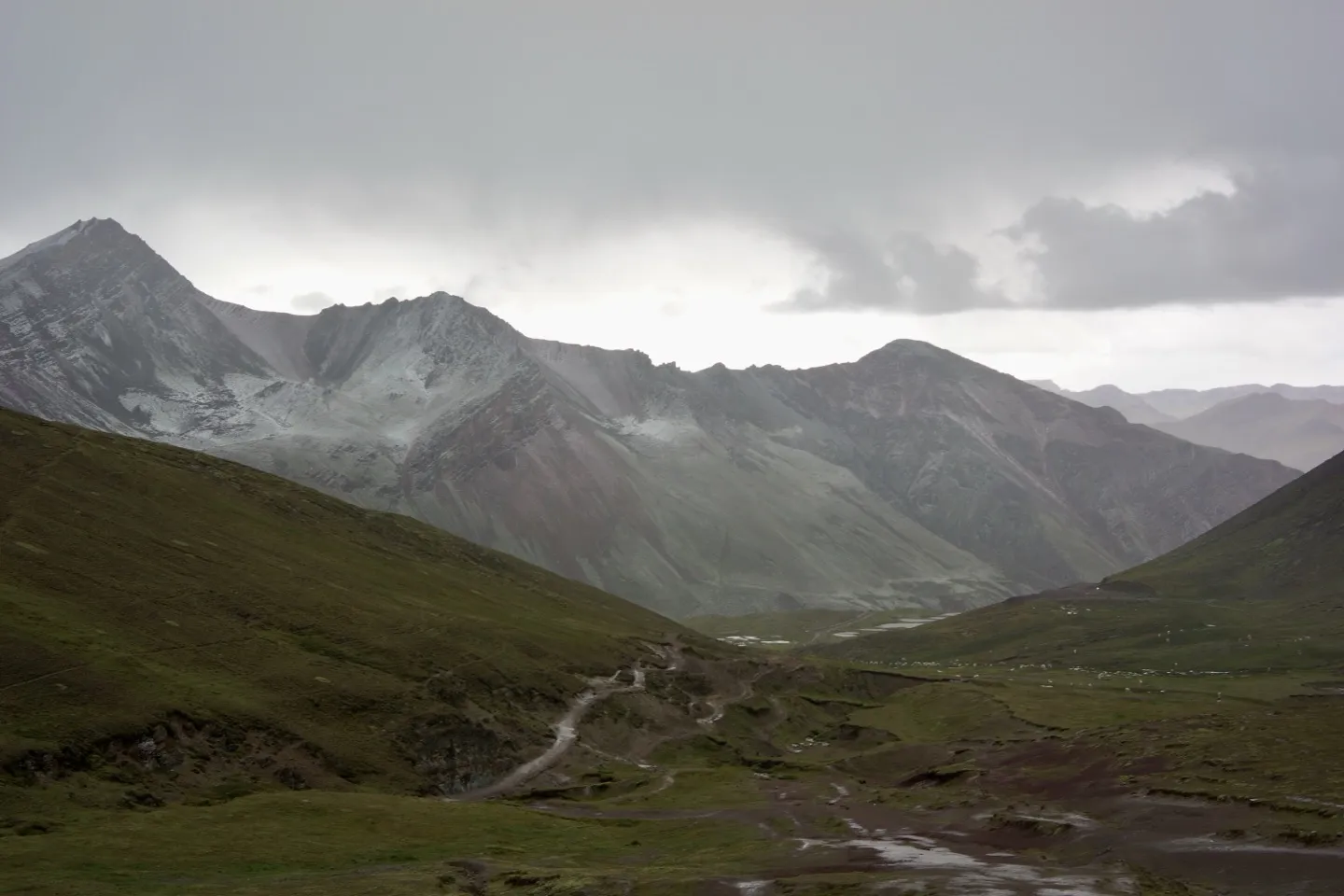
Don't expect a quick drive from Checacupe to the trailhead. The road turns to dirt not long after leaving town, and from there it's a slow, bumpy climb up the mountainside, winding through tiny villages and past herds of alpacas and llamas grazing on the hillsides. It's not the most comfortable hour of your life, but the views keep opening up as you climb, with snow-capped peaks appearing in the distance.
There are two main routes to Rainbow Mountain, via Pitumarca or Cusipata. We took the Pitumarca route, but both lead to the same viewpoint from different trailheads. The more popular Cusipata route involves a longer hike of around 7 km (4.3 miles) return.
As you approach the trailhead, you'll need to pay a 30 PEN entrance fee to access Rainbow Mountain. Payment is cash only, so make sure you have enough with you before leaving Cusco.
Trailhead → Rainbow Mountain Viewpoint
Once the taxi drops you off, you'll find yourself in a car park surrounded by stalls selling snacks, water, beanies and gloves, along with people offering horse rides up the mountain. There are often more snacks for sale along the trail and even at the top, but this is your last chance to use the bathroom before starting the hike.
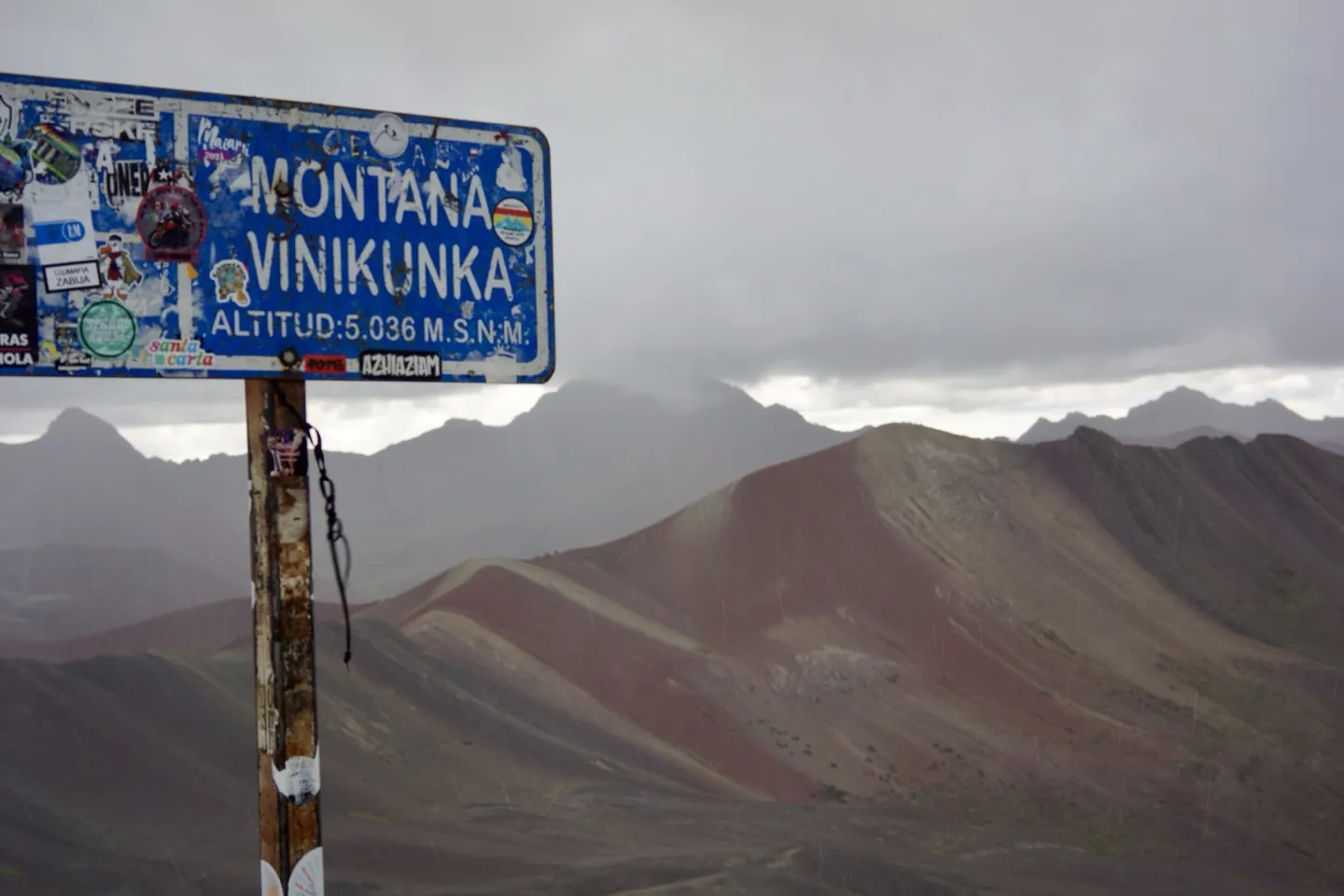
From the car park, the 4.5 km (2.8 mile) return hike follows a wide, well-trodden dirt path. The trail climbs gently at first, with steeper switchbacks on the final push to the viewing ridge. Although the path is easy to follow, the altitude makes even the gentler sections feel demanding. You'll climb from 4,750 metres (15,584 feet) to 5,036 metres (16,522 feet), with the walk up taking around 45 minutes to an hour, depending on how often you stop for photos and breaks.
Make sure you've spent enough time acclimatising in Cusco before attempting the hike. If you experience a headache, nausea or dizziness, stop ascending. If symptoms persist or worsen, descend rather than pushing on to the viewpoint.
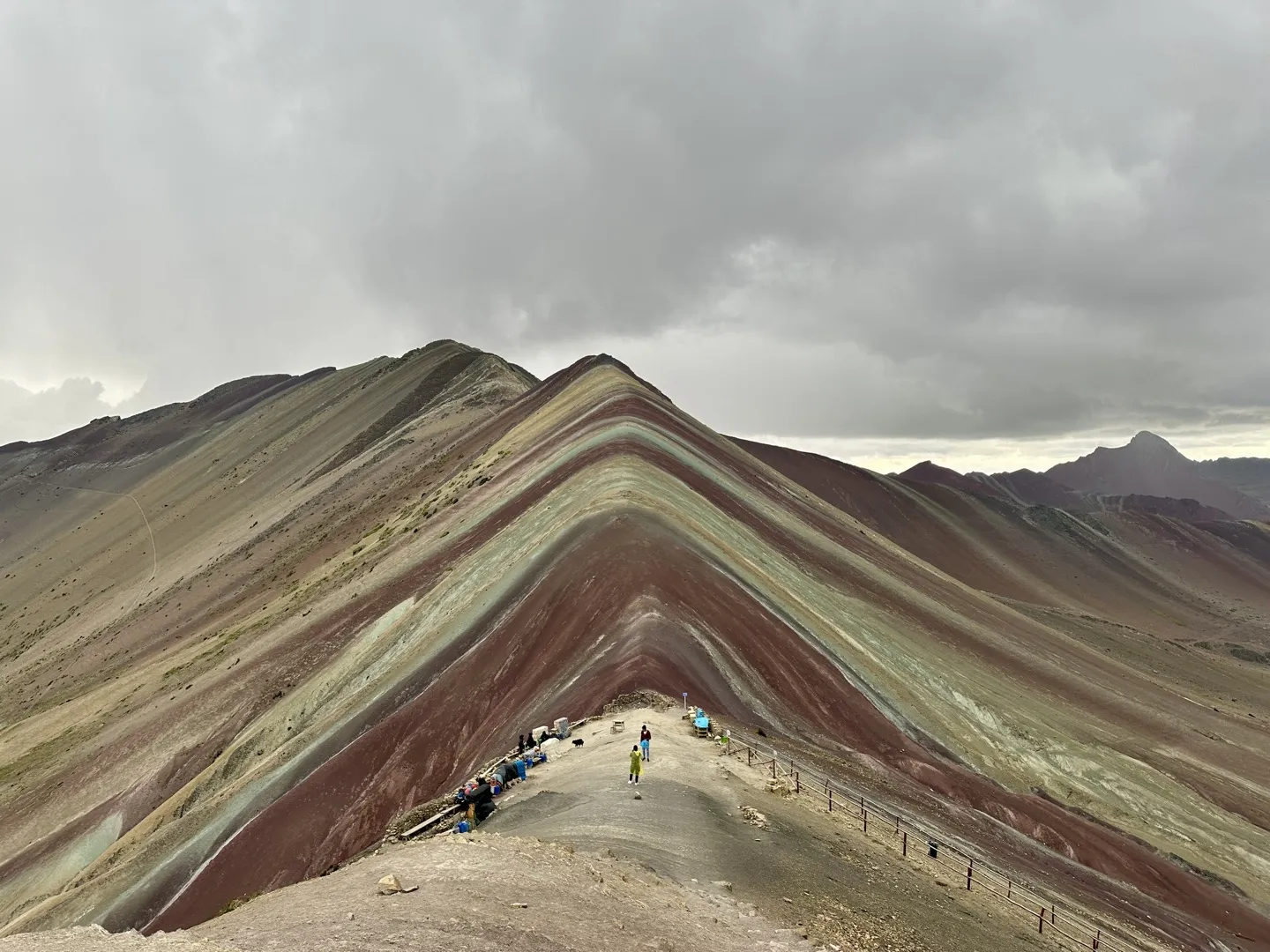
Once you reach the first viewpoint of Rainbow Mountain, don't stop there. The best view is a short push up the ridge behind it. From the top, you'll get a panoramic view of the colourful stripes in all their glory, with snow-capped mountains in the distance. If you've followed this guide and left Cusco later than the tours, there's a good chance you'll have Rainbow Mountain almost entirely to yourself, apart from a few other hikers and locals selling snacks or offering llama photos.
Trailhead → Checacupe → Cusco
After you descend from Rainbow Mountain, getting back to Cusco is pretty straightforward, all you have to do is repeat everything in reverse. Your taxi driver should be waiting at the trailhead and will drop you back at the same spot in Checacupe where they picked you up earlier.
As you've probably already experienced, public transport timetables in Peru are often more of a suggestion than a rule, so you may have to wait by the roadside for the next bus to Cusco. For us, it was a coach rather than a local bus, but both pass the same spot, so take whichever comes first. While you wait, grab a cheap traditional Peruvian meal at a roadside eatery, or browse the nearby shops for some of Peru's more unusual chip flavours.
There is no official timetable, so I cannot tell you exactly when the final bus leaves. My best guess is that if it is still daylight, you still have a good chance of catching one.
From there, all that stands between you and a well-earned Peruvian dinner is the long journey back to Cusco. Don't let the short hike fool you, though. Between the altitude and the hours spent travelling, you'll probably be more exhausted than you expected.
Back from Rainbow Mountain? Sleep Here.
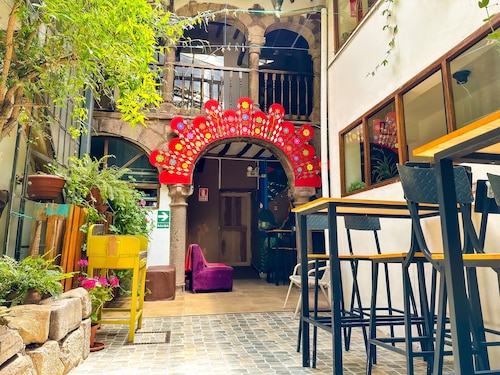
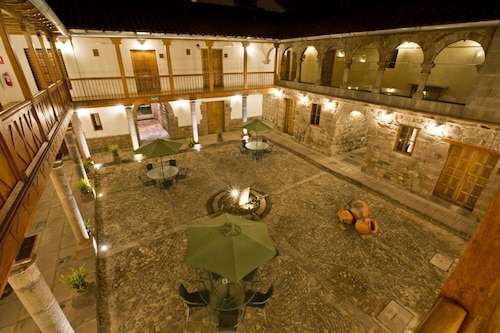
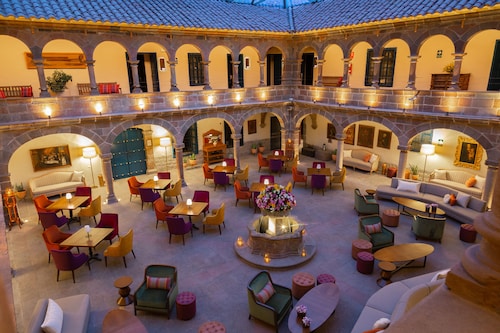

The main challenge of hiking Rainbow Mountain is the altitude rather than the distance. Although the return hike is only 4.5 km (2.8 miles), the trail starts at 4,750 metres (15,584 feet) and climbs to 5,036 metres (16,522 feet), making even gentle uphill sections feel demanding. Make sure you've had enough time to acclimatise beforehand, walk slowly and take regular breaks.
Visiting Rainbow Mountain without a guide costs roughly the same as joining an organised tour, so the real advantage is getting to see the colourful mountain without the crowds. Here's what I spent on the day.
-
S/ 7 $2Local bus from Cusco to Checacupe
-
S/ 45 $12Taxi from Checacupe to trailheadSplit 4 ways
-
S/ 30 $8Rainbow Mountain entrance ticket
-
S/ 20 $5Coach back to CuscoThe first service heading back, with comfier seats
-
S/ 20 $5Trail snacks, water & extra food
Conversions are approximate and update daily. Check the live rate before you travel.
Peru is well connected by domestic flights and long-distance buses, so getting to Cusco is straightforward from most major cities on a Peru itinerary. Flying is usually the quickest option, while overnight buses are a good way to save money and avoid losing a full day to travel. The main routes below cover the options you are most likely to use.

Rainbow Mountain can be visited year-round, and the best time to go depends on the experience you're after. Weather, trail conditions and visitor numbers change throughout the year, with each season offering something different. Here's what to expect when planning your visit.
April, May, September & October
Shoulder season- Generally clearer skies and drier trails than the wet season, without the peak crowds.
- May brings greener valleys, while September is usually drier with fewer visitors.
- Weather in April and October is less predictable, so check the forecast before setting off.
June to August
Dry season, most popular months- The best chance of clear views and firm trails, although afternoon cloud is still possible.
- Expect freezing temperatures and strong winds, particularly at the viewpoint.
- This is the busiest season, but leaving Cusco around 8am can help you avoid the early tour crowds.
November to March
Wet season- Rain, fog and cloud can completely hide the mountain, especially in January and February.
- Trails can be muddy and slippery, with showers more likely later in the day.
- The valleys are greener and there are fewer visitors, but poor visibility makes the trip a gamble.
The highest viewpoint at Rainbow Mountain sits at 5,036 metres (16,522 feet), higher than almost anywhere else you are likely to hike in Peru. The risk of altitude sickness is significant, even though the hike itself is relatively short. Use the tips below to help prevent and manage altitude sickness.
Acclimatise in Cusco first
Try to spend a few days in Cusco before visiting Rainbow Mountain. Two or three nights will give your body some time to acclimatise before travelling above 5,000 metres (16,400 feet), especially if you have arrived directly from a low-altitude destination.
Pick up coca leaves and understand your medication
Coca leaves are cheap, easy to find and commonly used throughout Peru by locals and travellers to relieve altitude symptoms. If you carry altitude medication, make sure you know how it works. Acetazolamide is generally taken before ascending to help prevent symptoms, while dexamethasone is usually taken after symptoms develop.
Take the hike slowly
This will probably be your first hike at such a high altitude, so use the start of the hike to see how you feel. Keep a steady pace, take breaks when needed and avoid trying to match hikers who are moving faster.
Turn around if symptoms worsen
A mild headache or shortness of breath is normal at high altitudes, but do not continue if you develop worsening nausea, dizziness, weakness, confusion or difficulty breathing while resting. Descending is the safest response, even when the viewpoint is close.
Visiting Rainbow Mountain without a guide is safe and something I would definitely recommend. The 4.5 km (2.8 mile) return trail is not technical, and the path is well marked and easy to follow. The main things to take seriously are the altitude and the weather conditions, particularly during the wet season.
Easy-to-follow trail
The trail from the car park to the highest viewpoint is easy to follow, with other hikers usually visible along the way. Download an offline map using AllTrails or Maps.me as a backup.
Make sure your driver waits for you
Ask your taxi driver to wait at the car park while you hike. Most visitors leave earlier, so finding another ride back to Checacupe in the afternoon can be difficult.
Altitude and weather are the real risks
The highest viewpoint sits at 5,036 metres (16,522 feet). Walk slowly, watch for altitude sickness and carry warm, waterproof layers. Weather can change quickly, particularly from December to March.
Fewer people around later
Leaving Cusco around 8am helps you avoid the tour crowds, but expect fewer hikers on the return trail. Keep your phone charged and carry extra cash for unexpected transport costs.
You only really need a day bag to complete the Rainbow Mountain hike without a guide. Below is everything worth throwing in it.