1-Day from Uyuni
A shorter trip where seeing the Salar de Uyuni itself is the main priority.
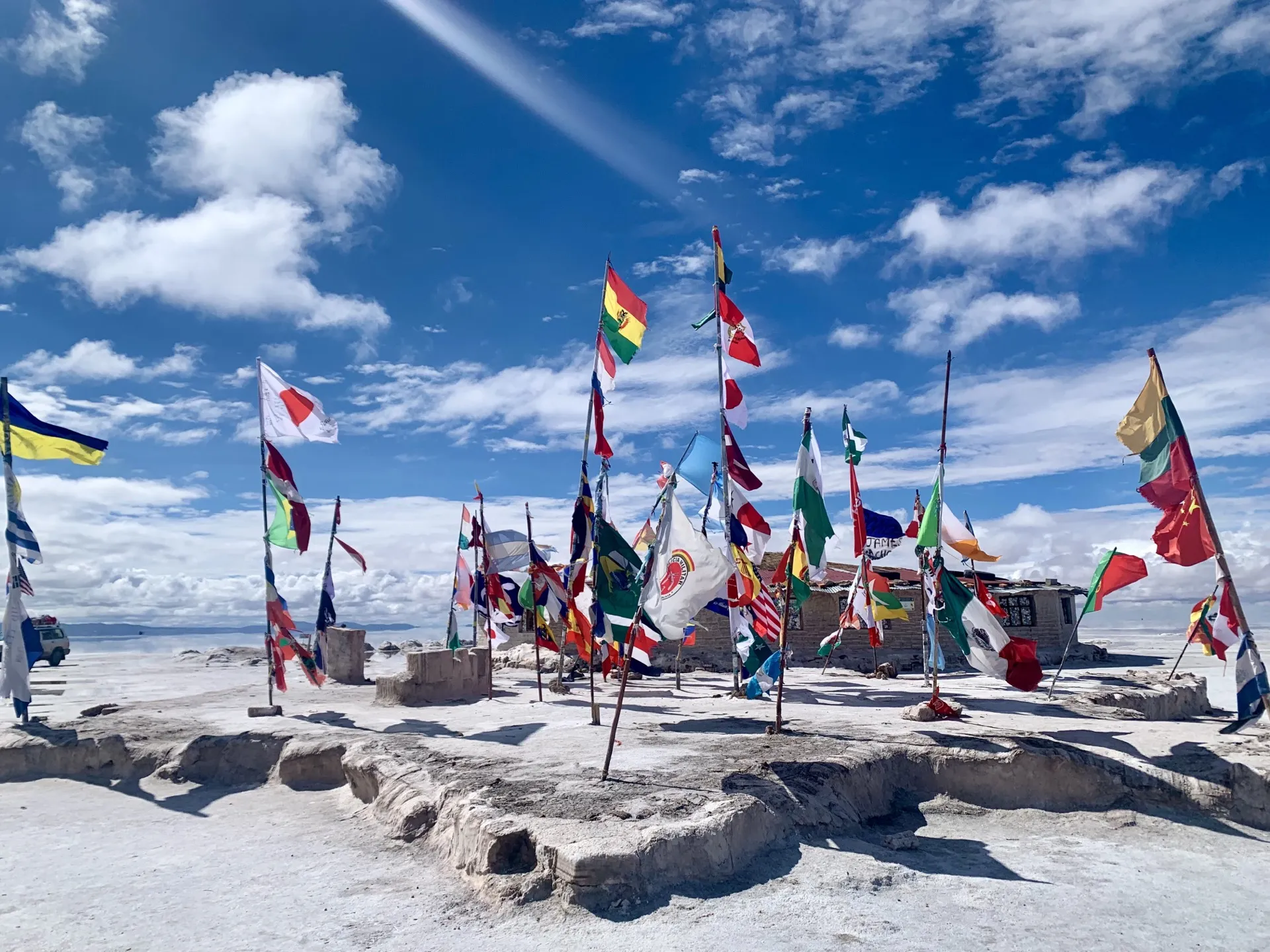
An endless amount of driving through the desert, finishing at the world’s largest mirror.
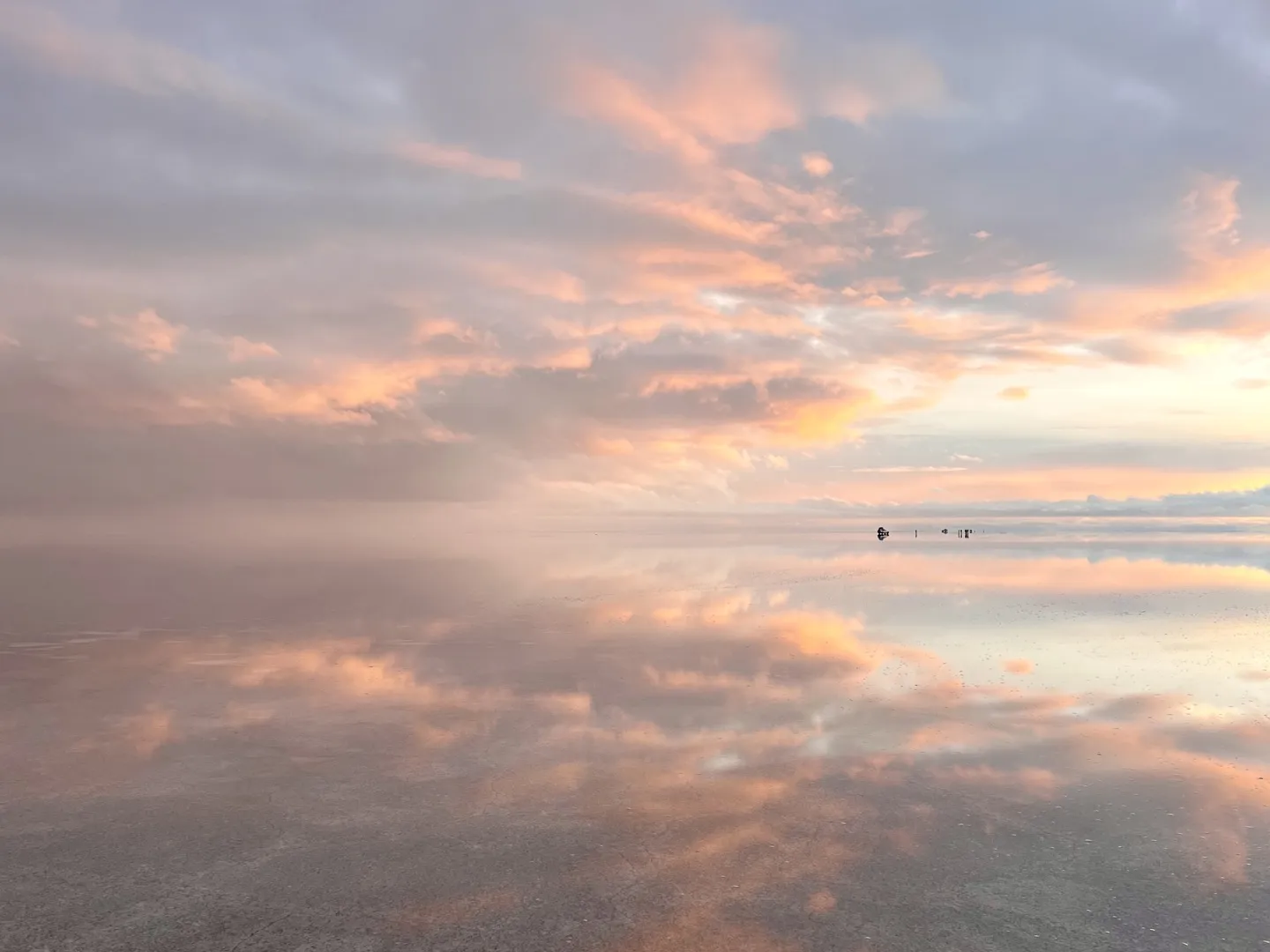
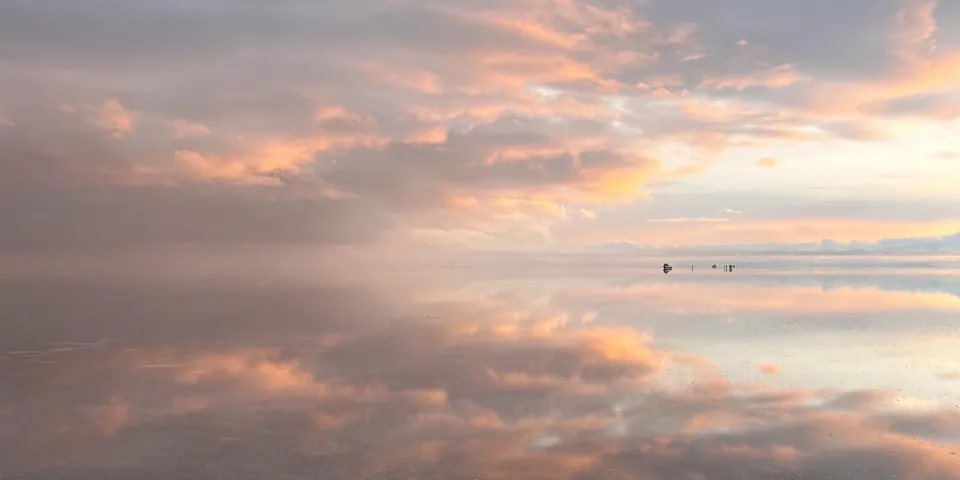
The Uyuni Salt Flats are the largest salt flat in the world, stretching across more than 10,000 square kilometres of southwest Bolivia. During the wet season, a thin layer of water spreads across the incredibly flat surface and turns the Salar into the enormous mirror it is famous for. The orange and pink sunrise I saw reflected across the Salar all the way to the horizon is my favourite sunrise I have ever seen to date.
This guide follows the exact four-day trip I completed from Tupiza to Uyuni, covering what the journey is actually like, the different ways you can visit the Salt Flats and the practical details you need to plan the trip properly. If you are planning a trip to Bolivia, this is one of the first experiences I would add to your itinerary.
Some links in this guide are affiliate links. I may earn a small commission if you book through them, at no extra cost to you. I only link to places I have personally stayed and would recommend. Affiliate Disclosure.
There are multiple ways to visit the Uyuni Salt Flats, and the best option depends on how much time you have, where you are coming from and where you want to end up. Use the cards below to help decide which tour works best for you.
A shorter trip where seeing the Salar de Uyuni itself is the main priority.
Anyone who wants the classic Salt Flats circuit without adding an extra day.
A quieter route with more time in southern Bolivia.
If you are continuing into Chile, you do not want to return to Uyuni.
I booked my 4-day, 3-night tour with Flavio from TupizaEco Travel directly through WhatsApp on +591 68610818. In February 2024, I paid 1,350 BOB per person with four of us in the car, which included everything listed below. I had nothing but positive experiences with our guide, who was very accommodating throughout the trip, and I would highly recommend booking with them.
On the first day of the 4-day Uyuni Salt Flats tour from Tupiza, your tour guide will pick you up from your accommodation at around 8:30 am. Soon after leaving Tupiza, you will quickly start gaining elevation as you head into the high-altitude landscapes of southern Bolivia. The first stops you will make along the way are Palala and El Sillar, apparently both impressive rock formations which, unfortunately, our group wasn’t able to see properly due to the thick clouds that had formed.
Even though this is a 4WD tour, you still reach very high elevations. The route tops out at around 4,980 m (16,339 ft) on Day 2, while the Salar itself sits at about 3,660 m (12,000 ft). You can still experience altitude sickness, so monitor any symptoms carefully.
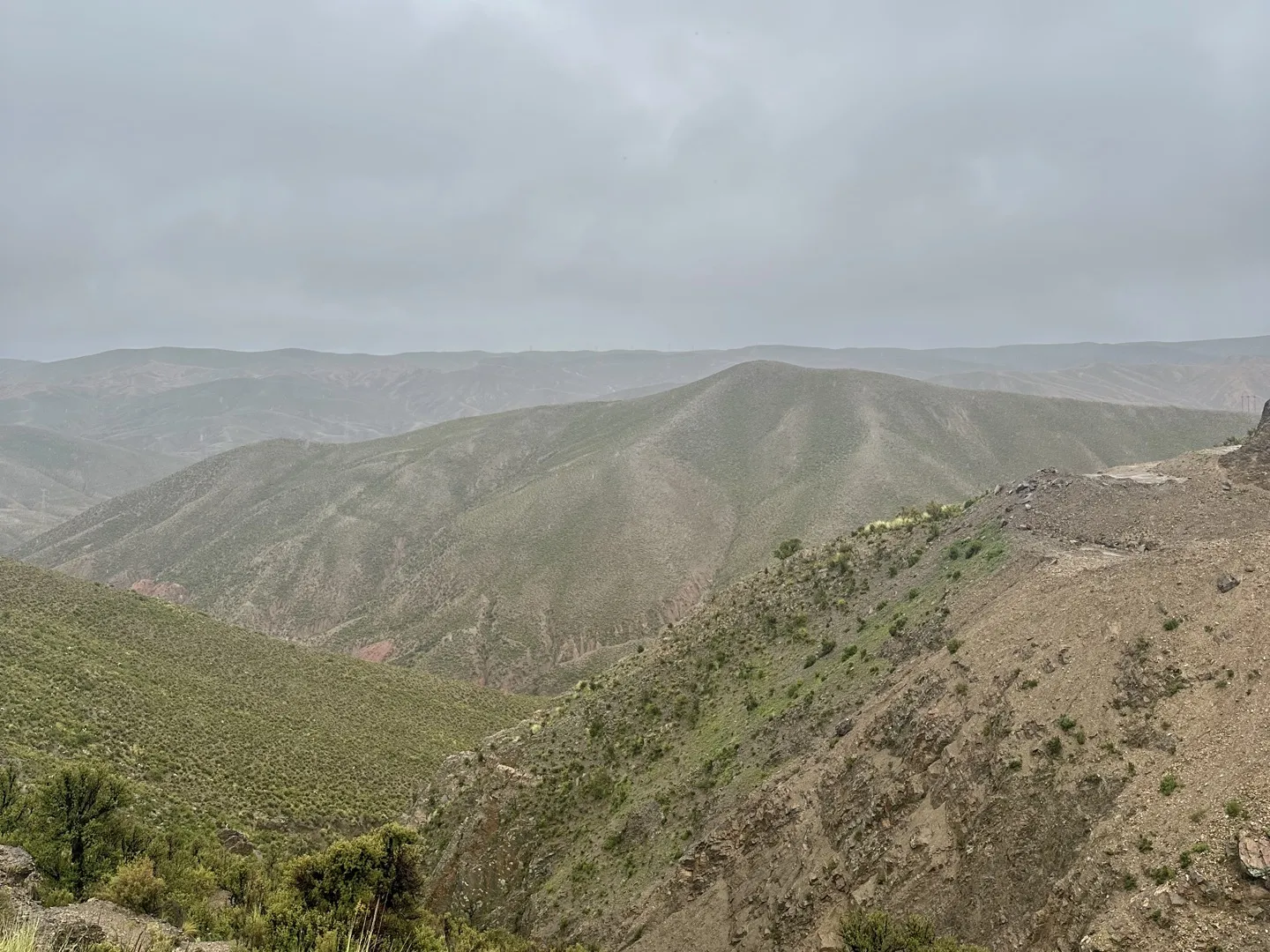
After a couple more hours in the car, you will make another stop at Awana Pampa, where herds of llamas graze in the paddocks in the distance. This was a very simple stop, but it was a good opportunity to stretch our legs and walk around for a bit before continuing on to the next stop.
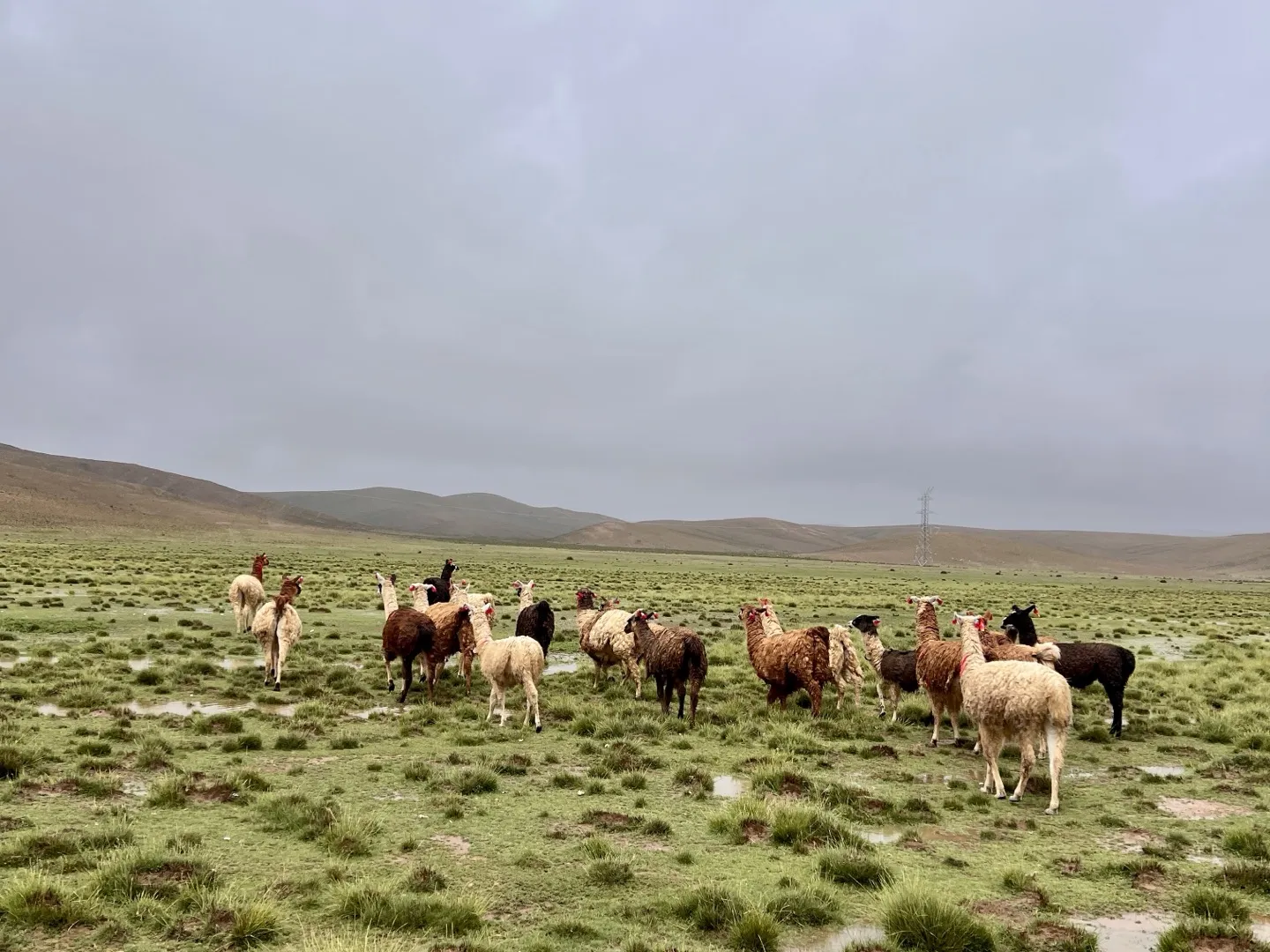
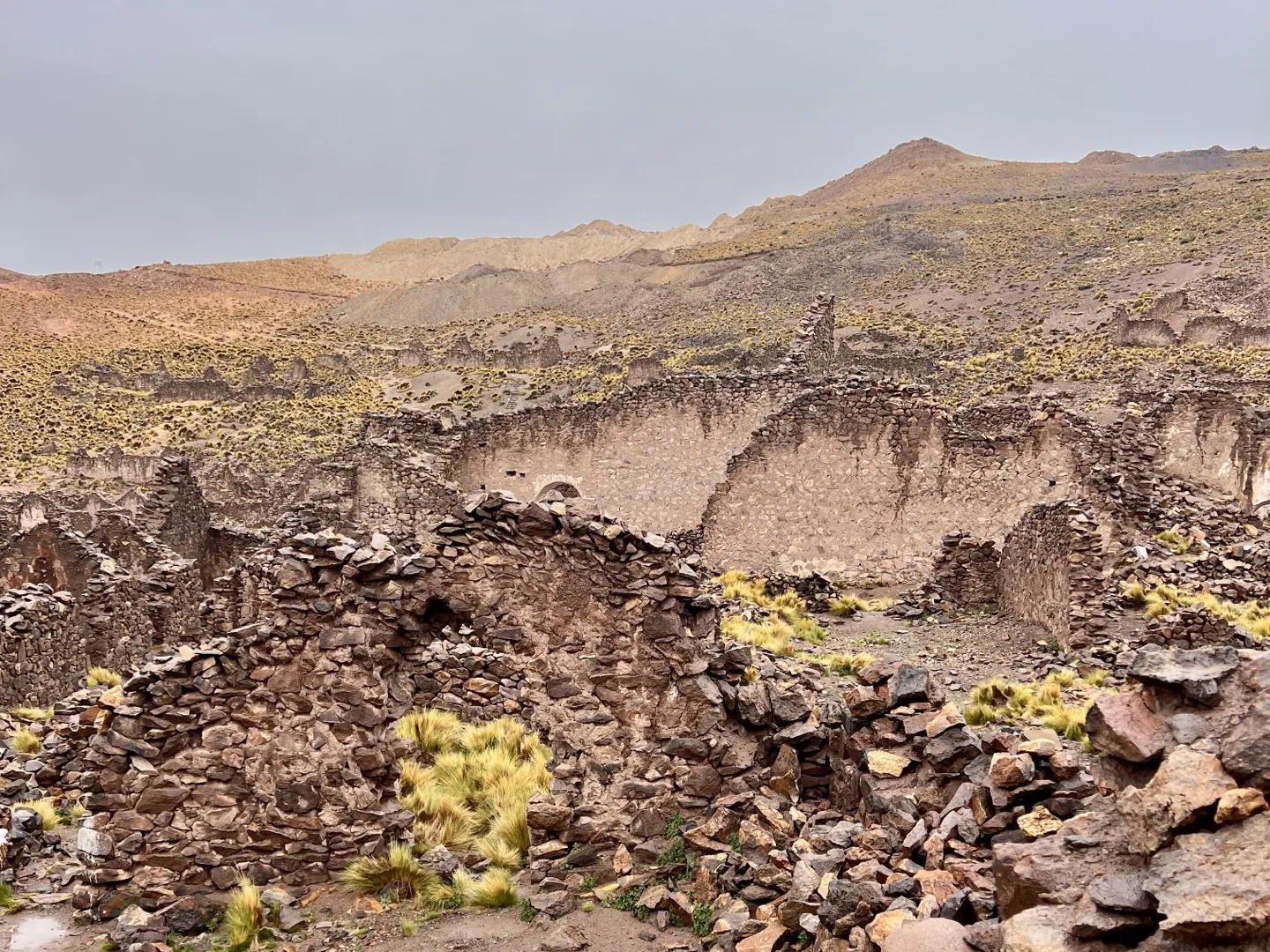
The next stops were Ciudad del Encanto and Pueblo Fantasma, both of which have a small entrance fee that can only be paid in cash. Once again, these attractions were more of an opportunity to get out of the car after a couple of hours of driving than jaw-dropping sights. Overall, the first day of the tour is more about leaving Tupiza behind and getting deeper into the remote Sud Lípez region.
At some stage on the first day, you will be required to pay the 150 Bs entrance fee for the Reserva Nacional de Fauna Andina Eduardo Avaroa (REA), which can only be paid in cash, so make sure you have enough Bolivianos.
The first town you will stay in is Quetena Chico, a tiny rural town with very basic accommodation. In my case, there were a few rooms shared between multiple groups, and we shared a bedroom with the others in our car. A great way to get to know each other if you hadn’t already. If you are lucky, you will also have the opportunity to have a warm shower for an additional cost, which feels like a luxury considering how cold it gets once the sun drops.
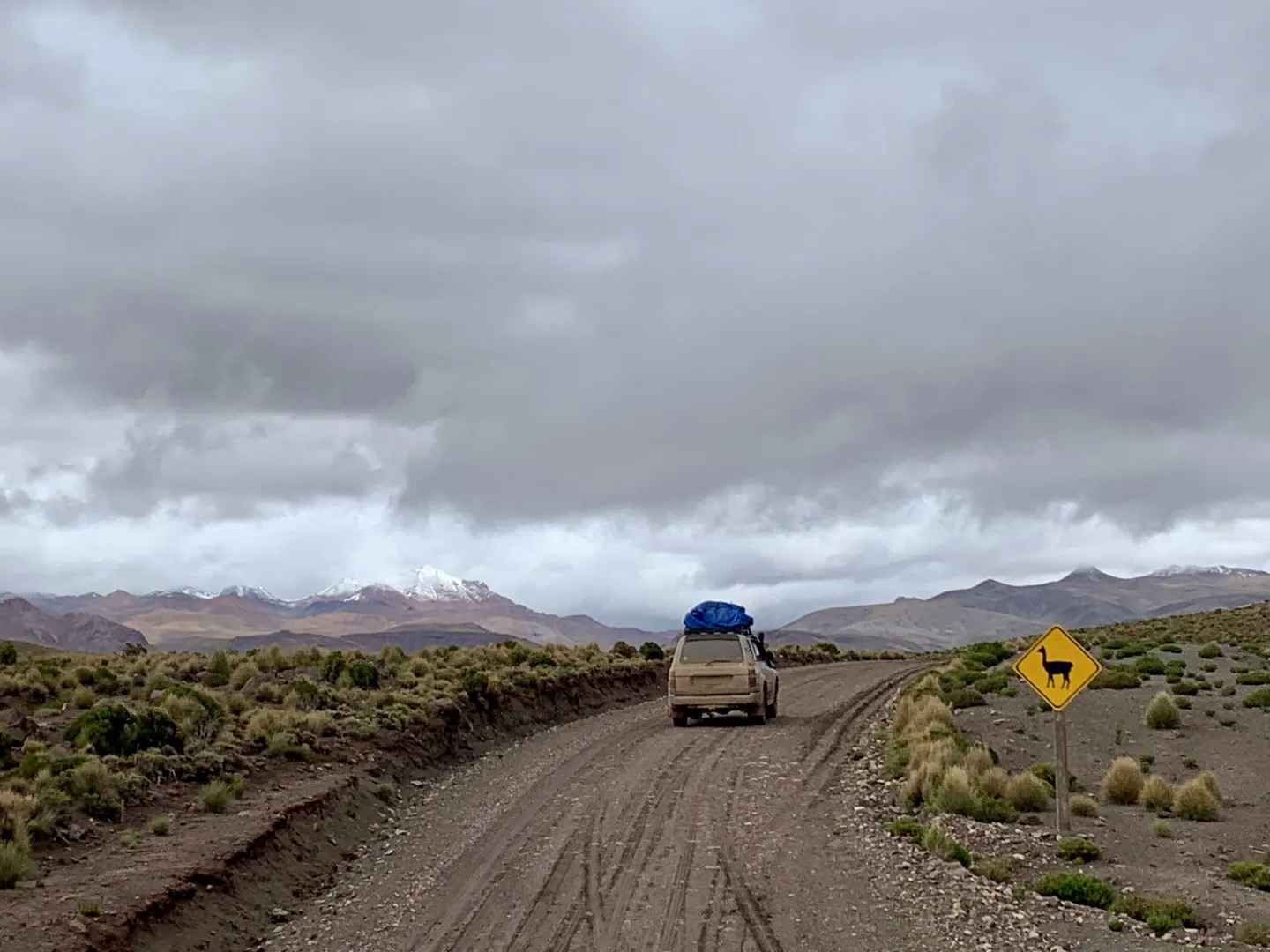
On Day 2, breakfast will be served between 7:00 and 7:30 am, before leaving Quetena Chico at around 8:30 am. Thankfully for our group, the weather had completely turned from the day before, with clear blue skies on the horizon.
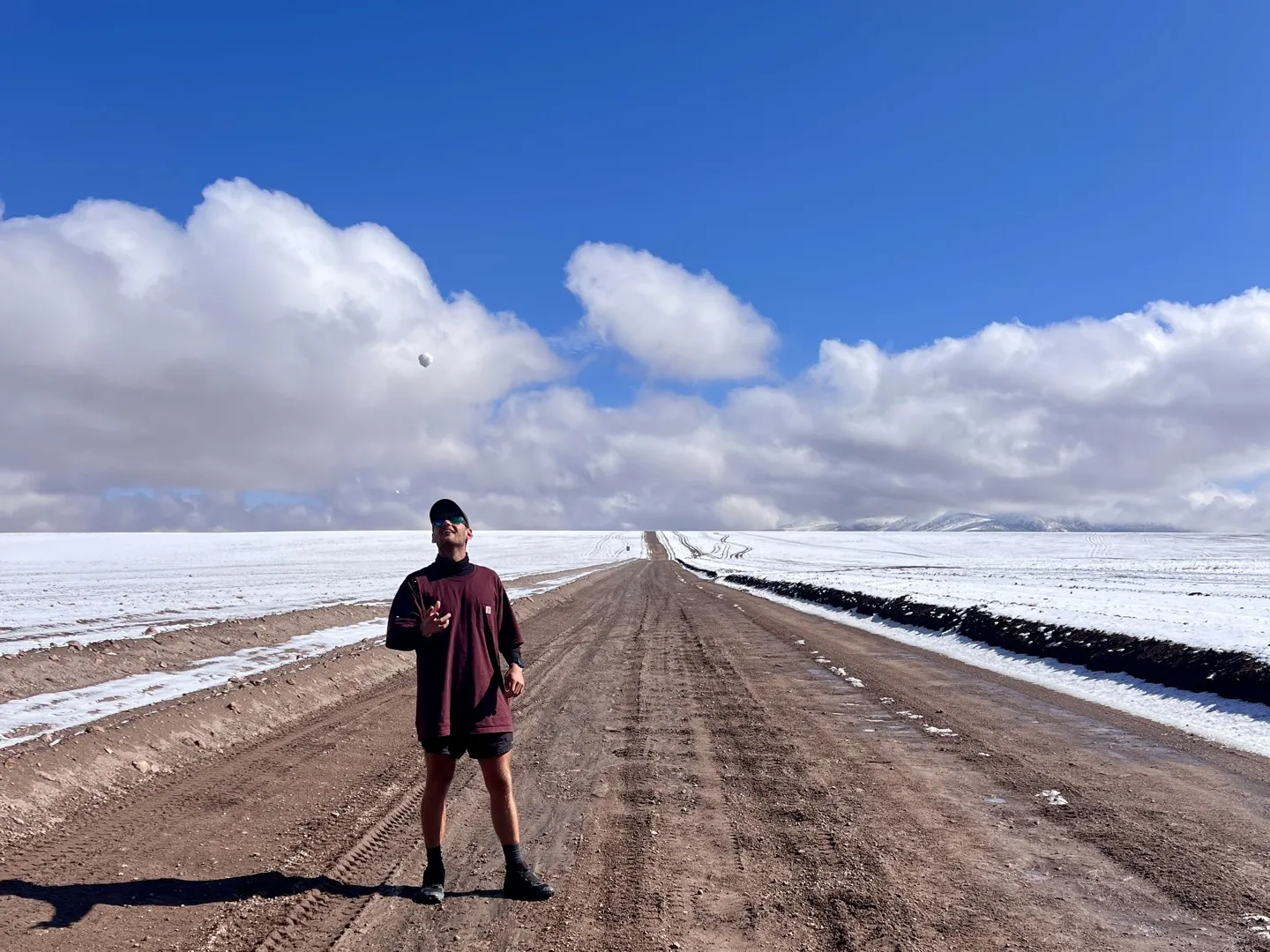
After around two hours of driving through snow-covered landscapes, you will reach Laguna Colorada, a vast red-coloured lake surrounded by mountains, flamingos and herds of llamas. This was one of my favourite stops on the entire road trip and one of the first opportunities to really understand the vastness of the reserve you are travelling through. Except for one other couple who had arrived that morning, there was no one else around, which added to how remote the place felt.
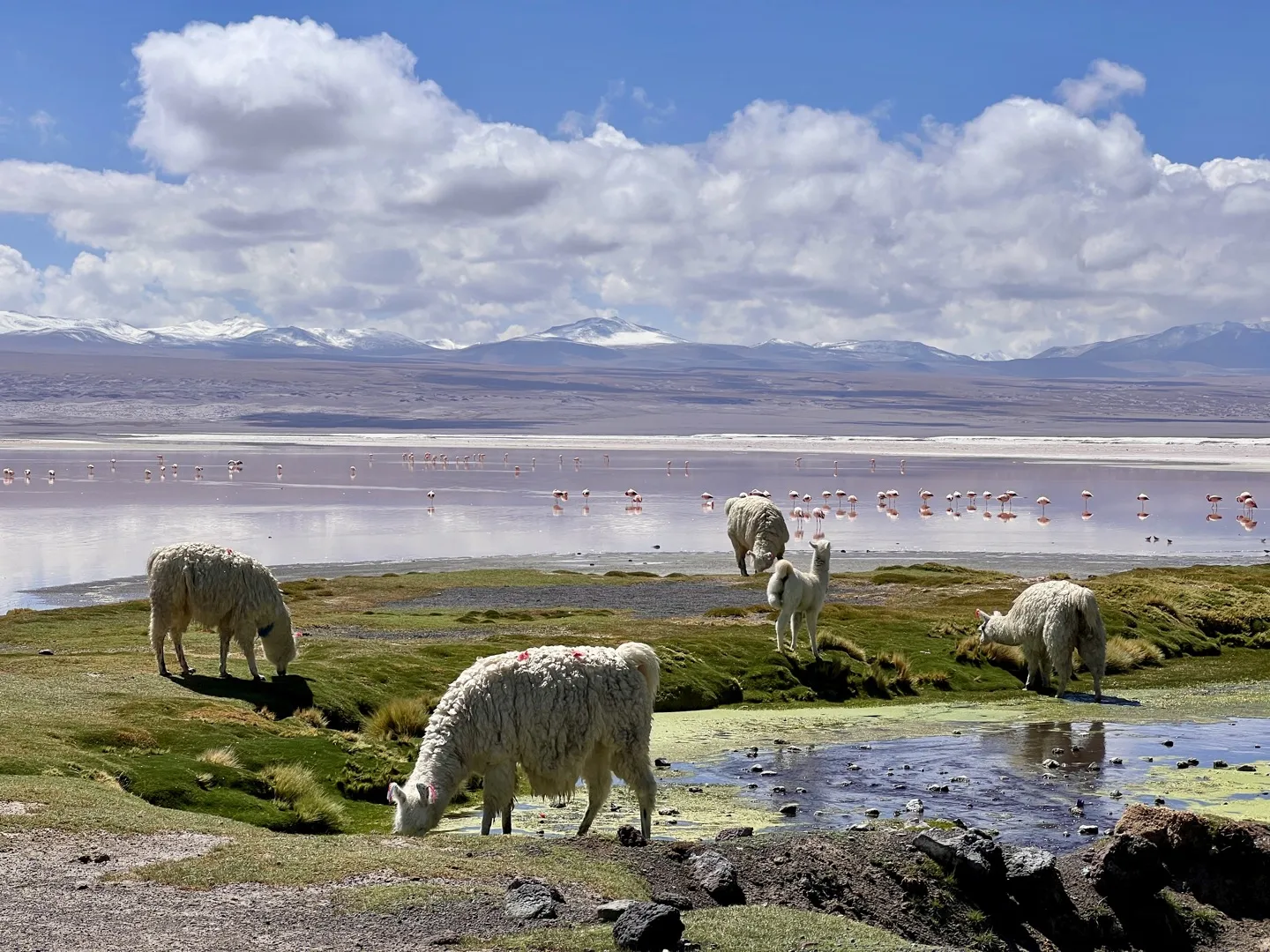
After leisurely strolling around Laguna Colorada for an hour, we continued towards the Sol de Mañana geysers and fumaroles, where steam constantly rises from the volcanic ground. I have never really been drawn to geysers, partly because of the smell, and this was no exception, so it was only a brief stop before continuing through to Chalviri for lunch.
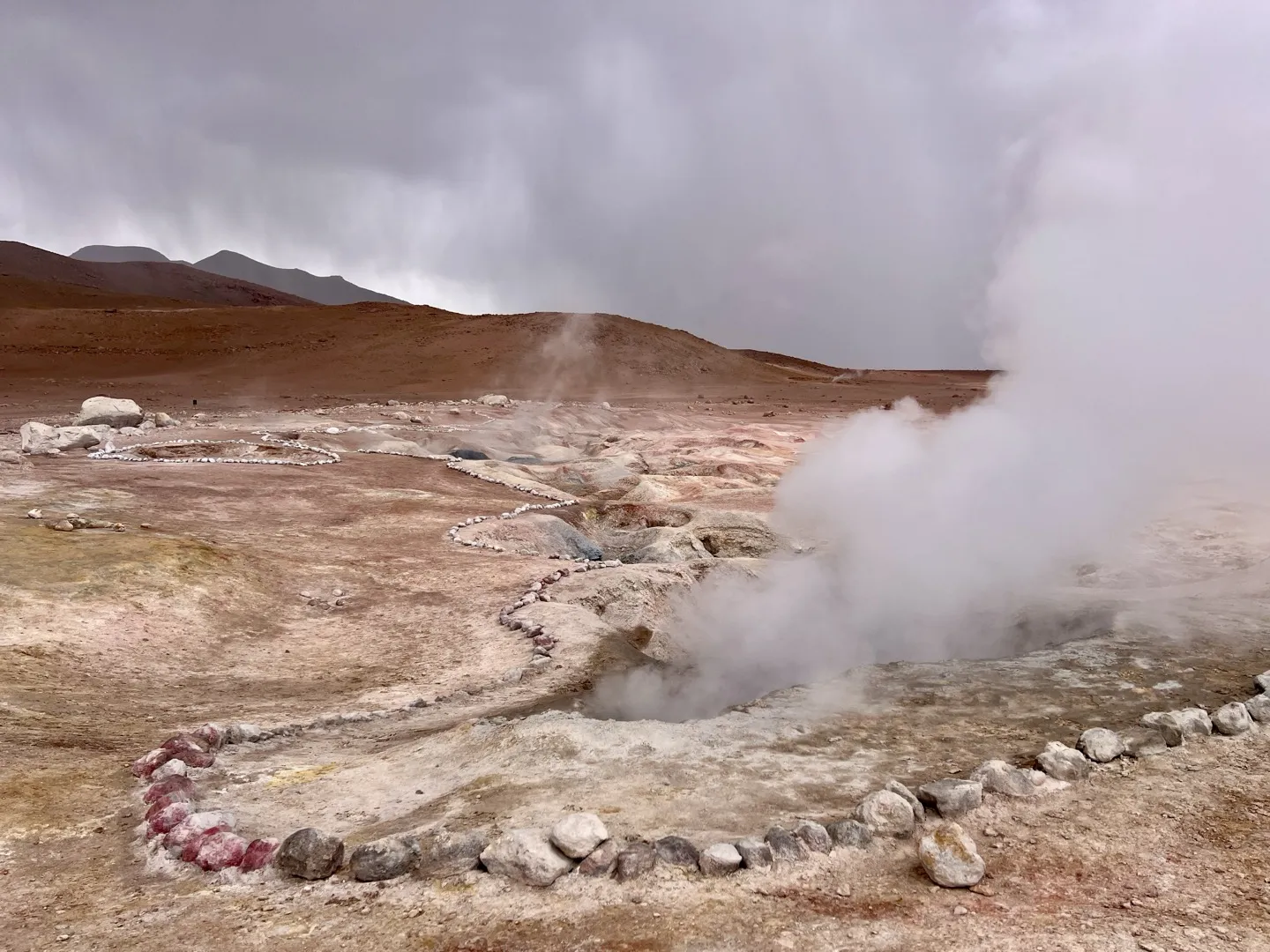
After lunch, you will spend the rest of the afternoon in the Dalí Desert, stopping at Laguna Blanca and Laguna Verde along the way. The two lakes sit close to each other, giving you time to walk beside them and take in the landscape. Laguna Blanca is known for its pale, milky appearance, while Laguna Verde can take on a much stronger green colour depending on the wind and light. In my case, the wind and light must not have been pointing in the correct direction because the colours were not quite as obvious as their names suggested.
The desert was named after Salvador Dalí because its barren landscapes and isolated rock formations are said to resemble the surreal scenery in some of his paintings. Dalí never actually visited the area though, so naming the entire desert after him is a pretty bold claim.
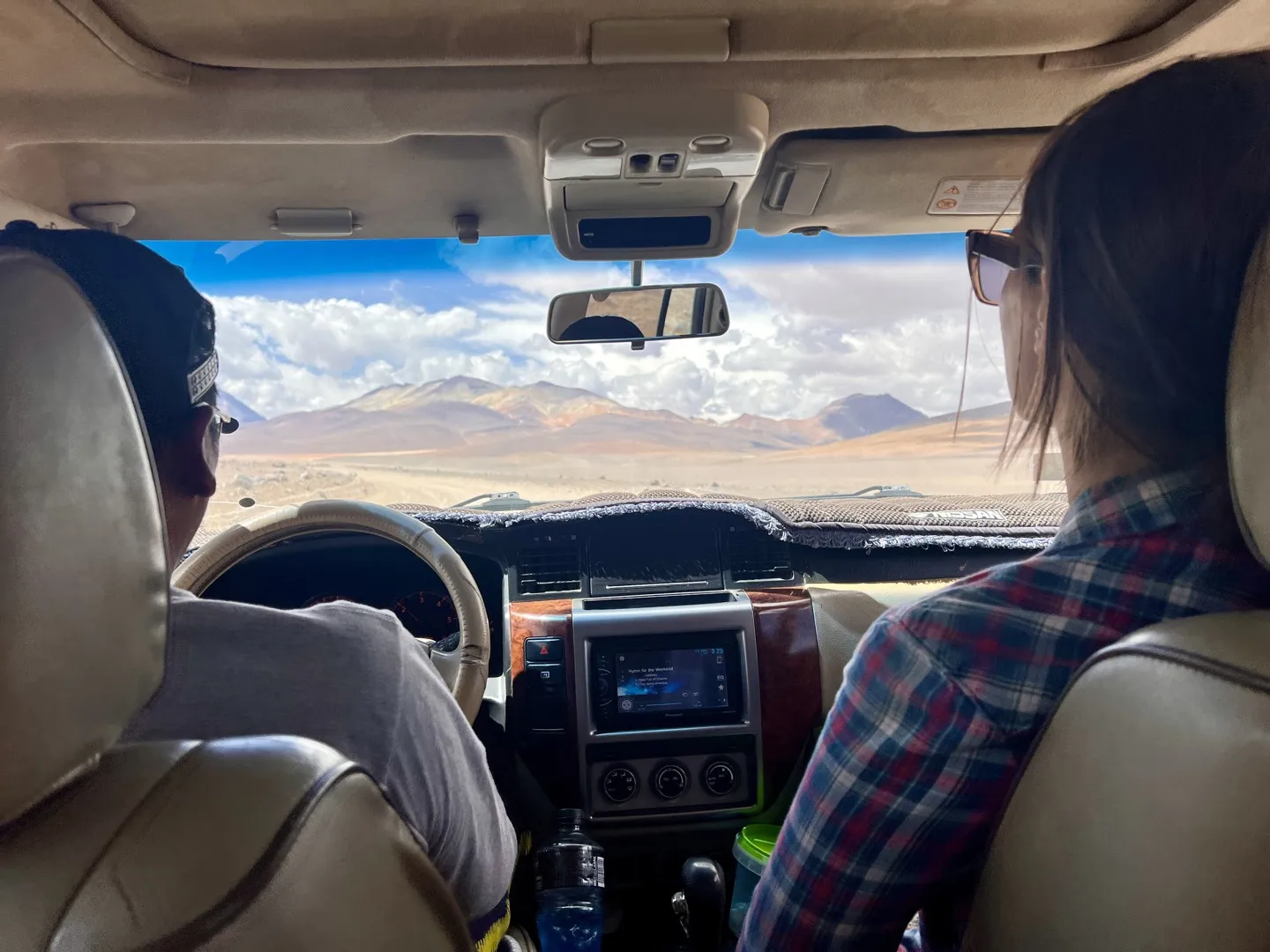
Rising above the lakes is the Licancabur Volcano, which reaches almost 6,000 metres (19,700 feet) and sits right on the Bolivia-Chile border. Its near-perfect cone makes it one of the most distinctive features of the landscape, and while you can see it from a distance across the Dalí Desert, it becomes much more impressive as you get closer to Laguna Verde.
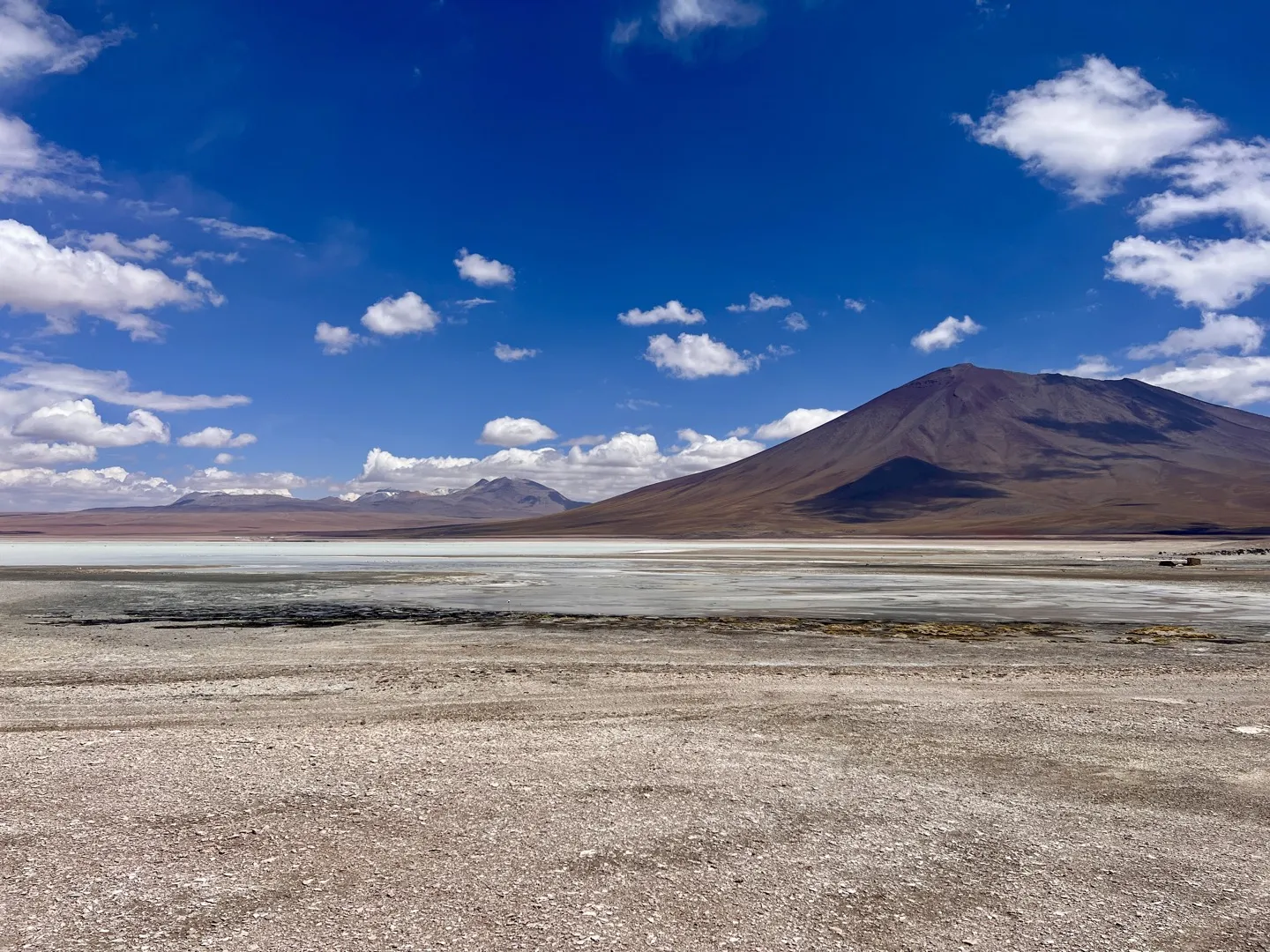
After another long day of driving, you get to decompress at the Polques hot springs, watching the sun set over the horizon. Looking back on Day 2, it was clear that the “quieter route” the tour company had sold me was actually a reality rather than just a selling point. We had barely seen any other tourists throughout the day, and while we were sitting in the hot springs by ourselves, we could see the convoy of tours returning from Laguna Colorada, where we had been almost completely alone that morning.
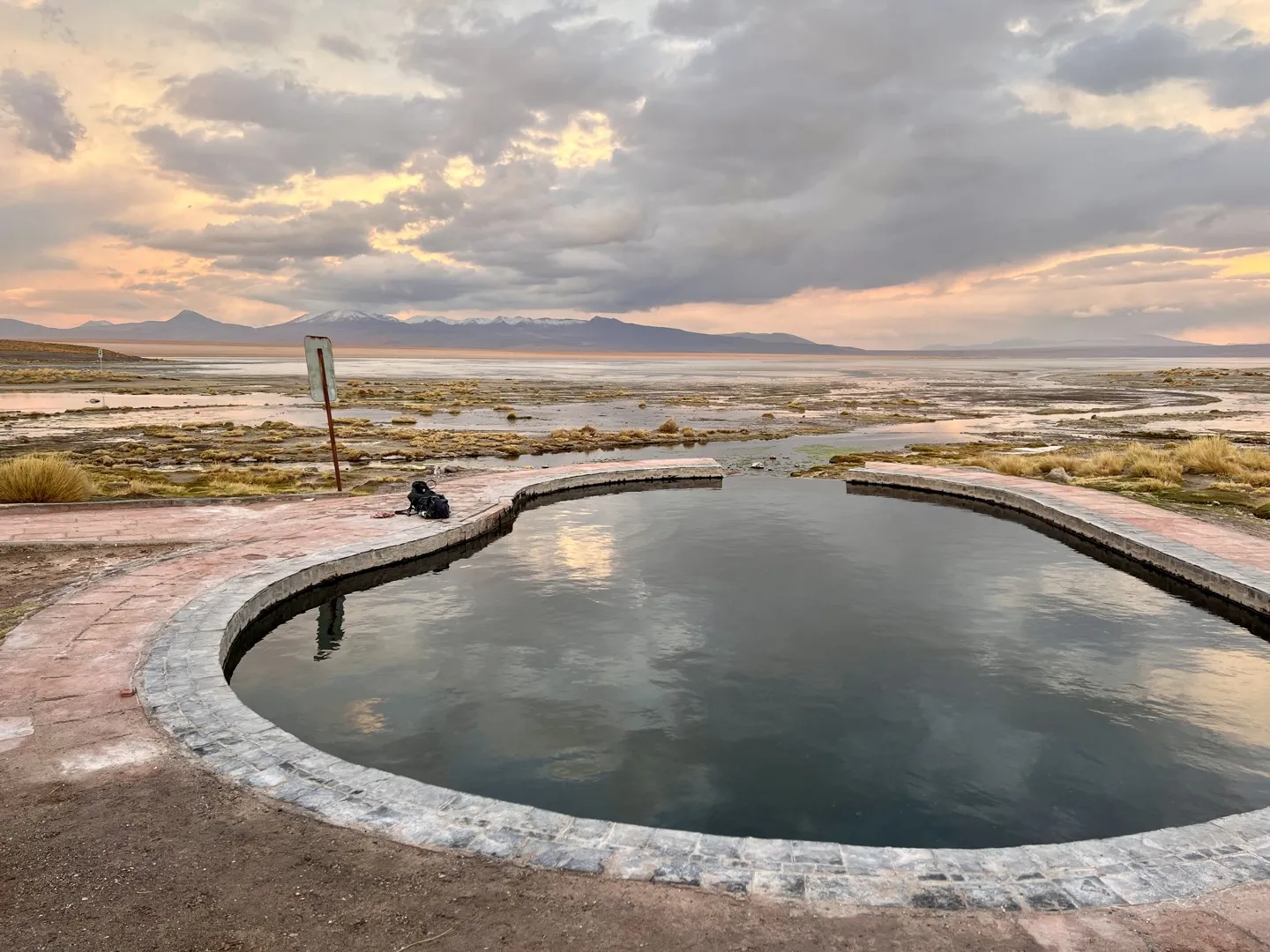
On the third day, you will wake up before sunrise to leave Chalviri and, if you are lucky, catch the sun rising over the horizon. Day 3 was easily the biggest driving day of the tour, as you make the long journey towards the edge of the Salar, so buckle in.
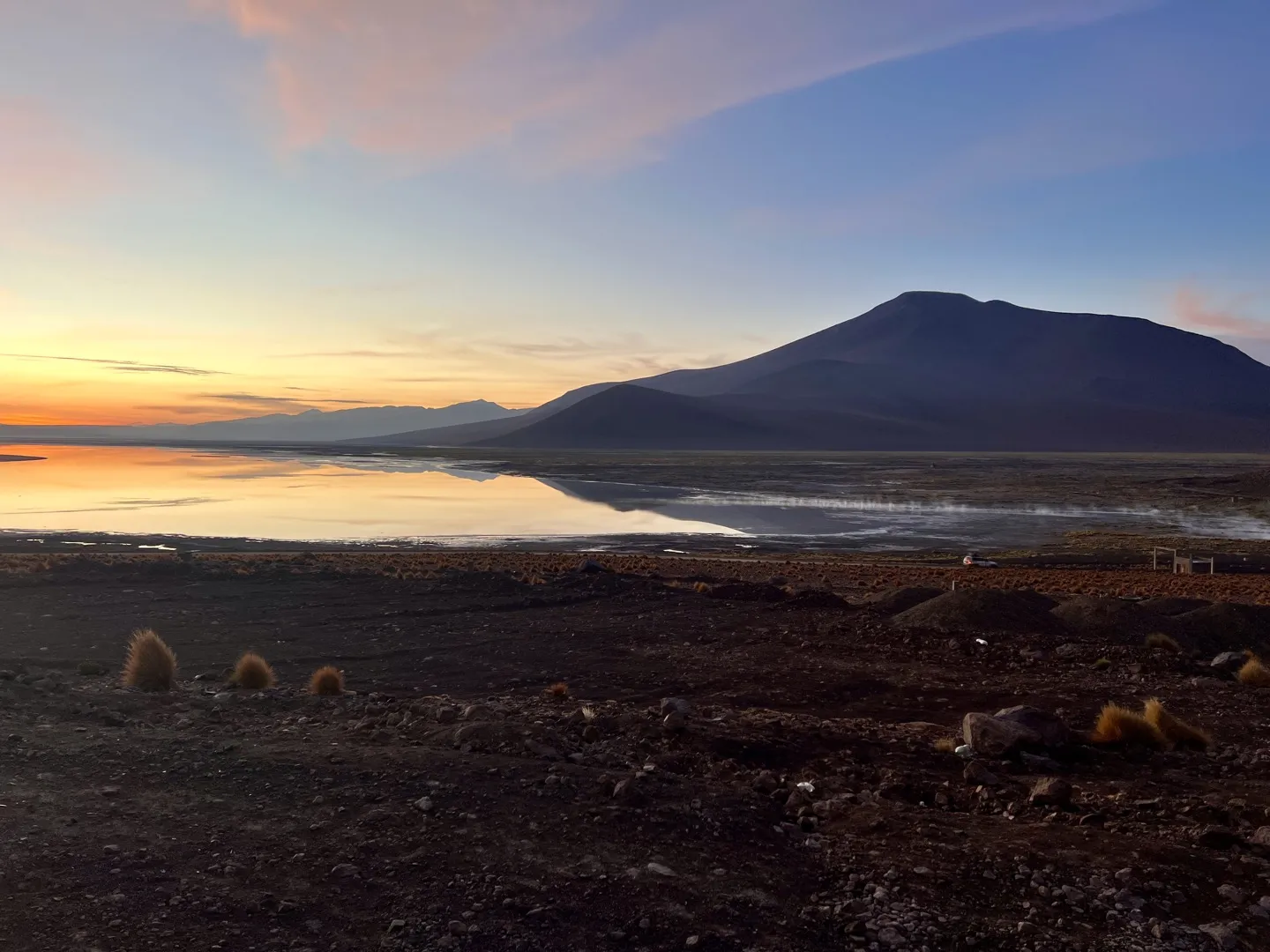
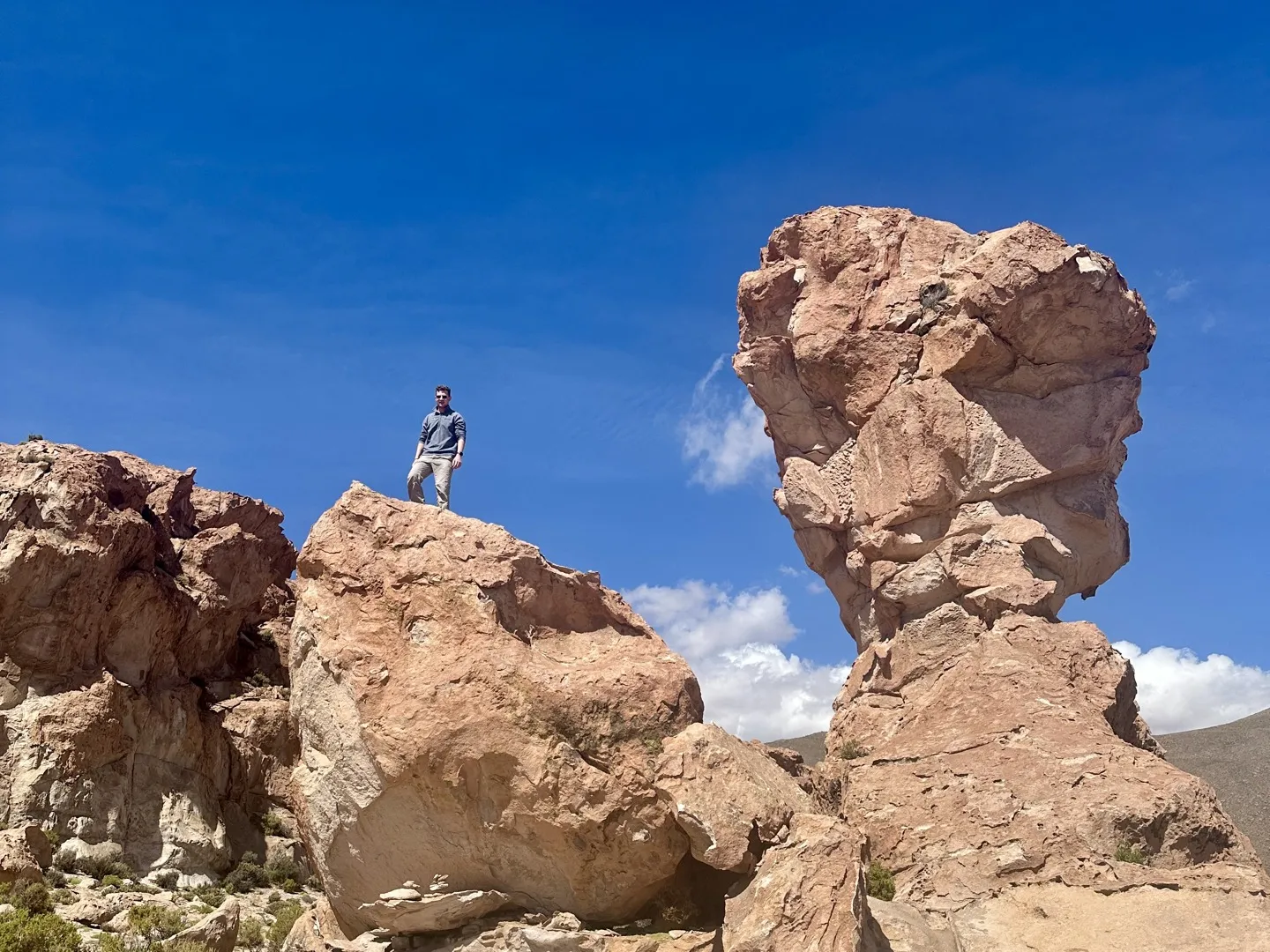
The first few stops of the day were Copa del Mundo, Camello de Piedra and Italia Perdida, a collection of unique rock formations scattered across the landscape. For football fans, Copa del Mundo actually does look like the World Cup trophy and isn’t just a tourist scam. You will stop for a short time at each one, giving you the chance to walk around the formations and even climb up some of them if you want. The blue skies we had made a cool contrast against the red rocks of the desert.
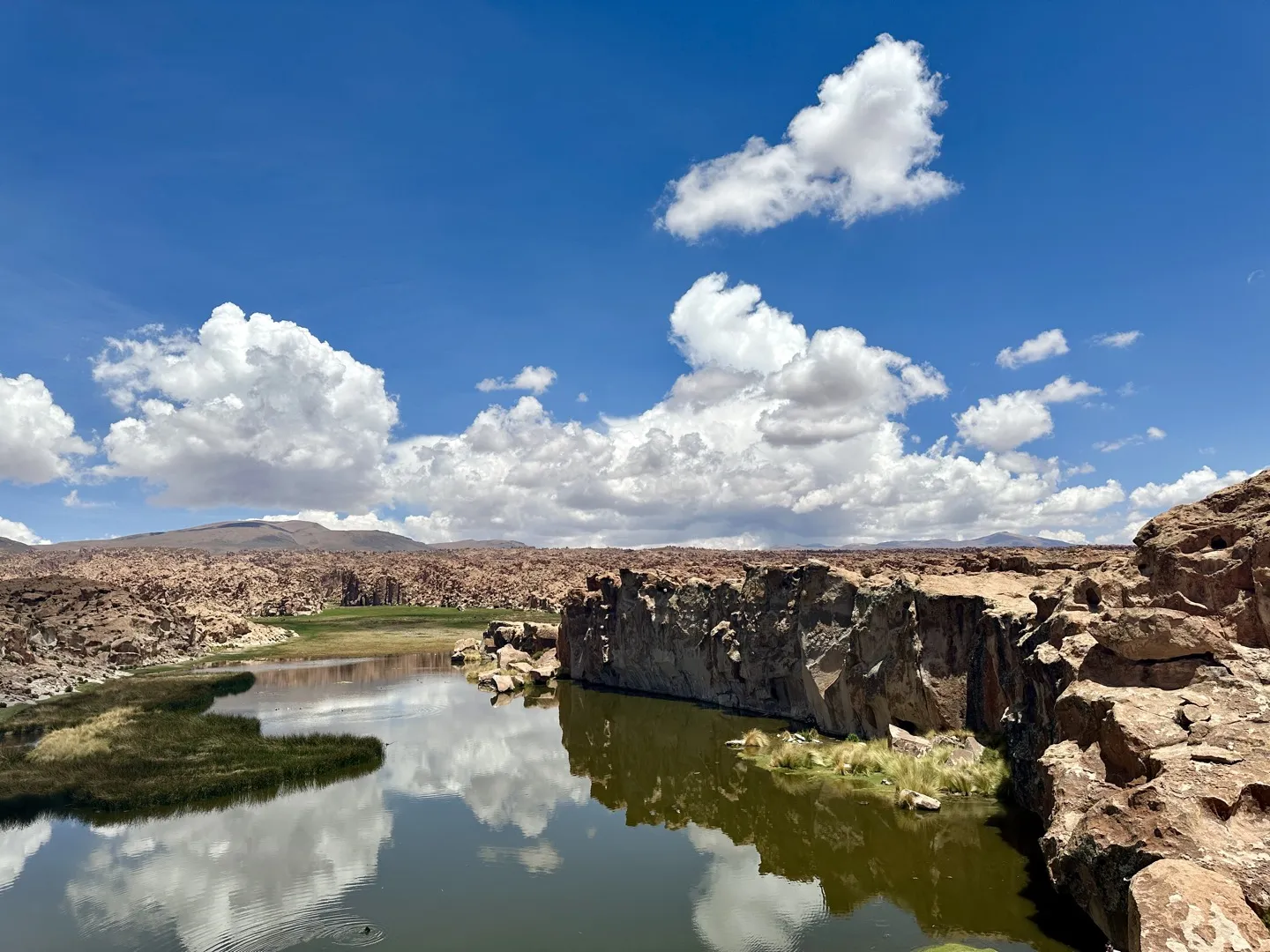
From here, you will continue through Laguna Vinto and Laguna Negra. Both lakes are much smaller than those from the previous day and looked a little swampy, with shallow water surrounded by grasslands, rocks and grazing llamas. They were still a good opportunity to stretch our legs after sitting in the car for a few hours.
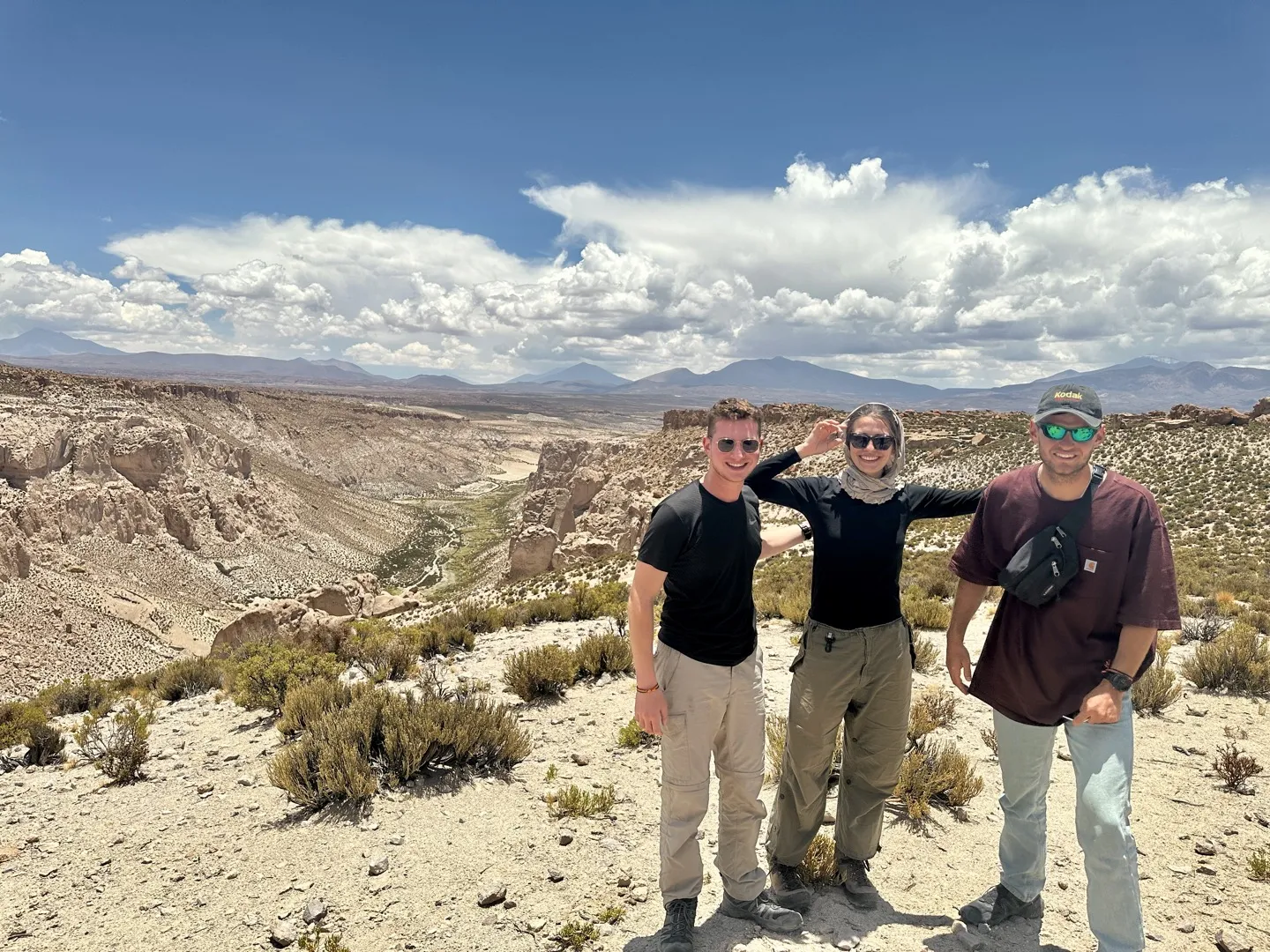
You will then move on to Cañón de la Anaconda and Cañón del Cóndor, which were much more impressive for me, particularly Cañón de la Anaconda. The stop lets you stand right at the top of the canyon, looking down at the river twisting through the landscape below, which makes it pretty obvious where the name comes from.
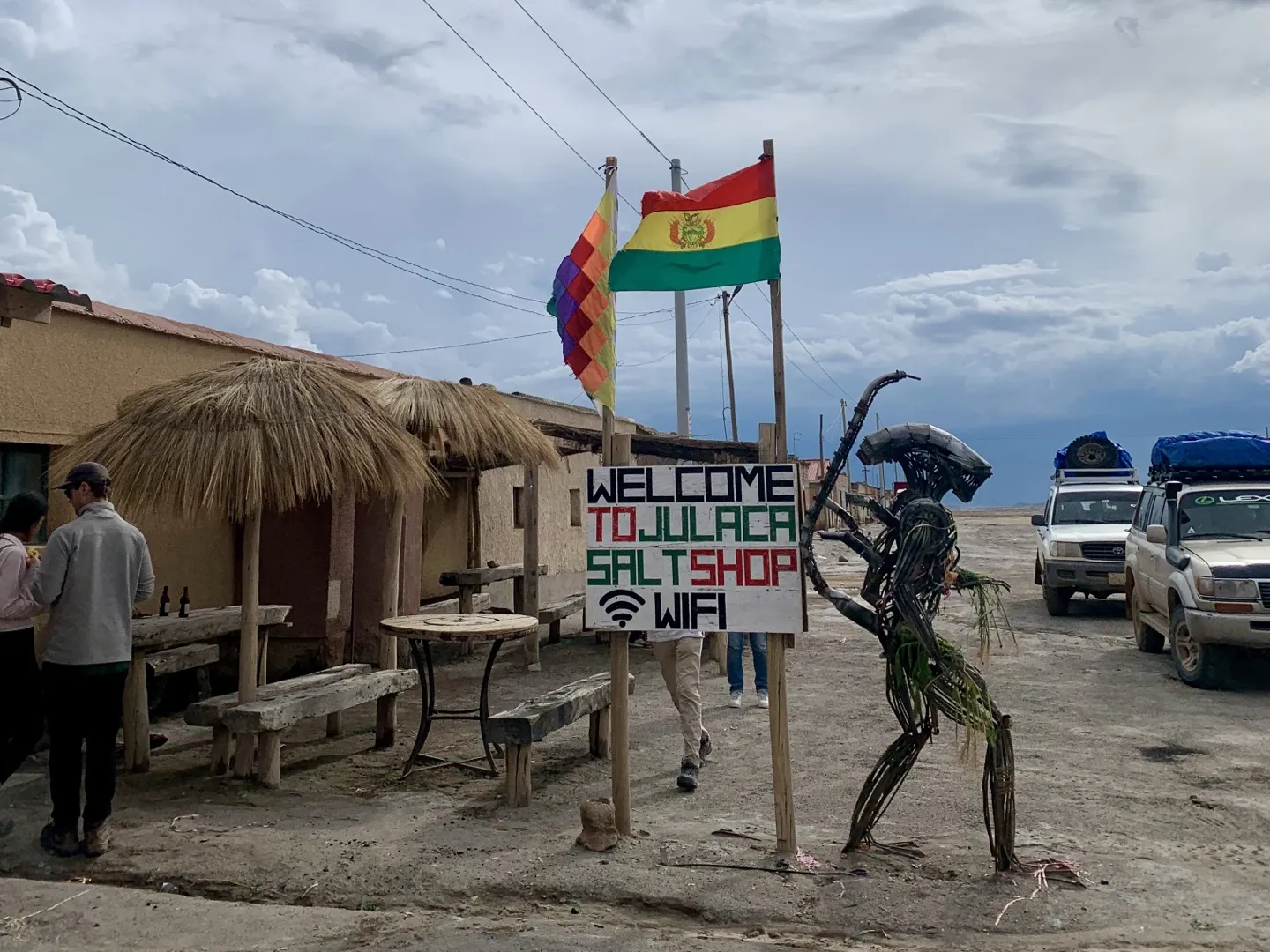
The last stop of the day is Julaca, an old railway settlement with an abandoned train station and locally made craft beer. It is a unique little place with plenty of quirky decorations, and a good opportunity to support a local business along the way, so it is worth trying a few beers. You will also have a late lunch here before making the final push towards the edge of the Salar.
Once you reach the edge of the Salar, the usual plan is to watch the sunset over the salt flats, but the weather had other ideas for us. We arrived with a thin layer of water covering the salt from the February rains, while a storm was brewing in the distance and lightning started flashing around us. The sunset was quickly cancelled, and the guides hurried everyone back into the 4WDs.
Weather on the Salar can change quickly, especially during the wet season. Keep a waterproof layer and warm clothes somewhere easy to reach in case conditions turn while you are out on the salt flats.
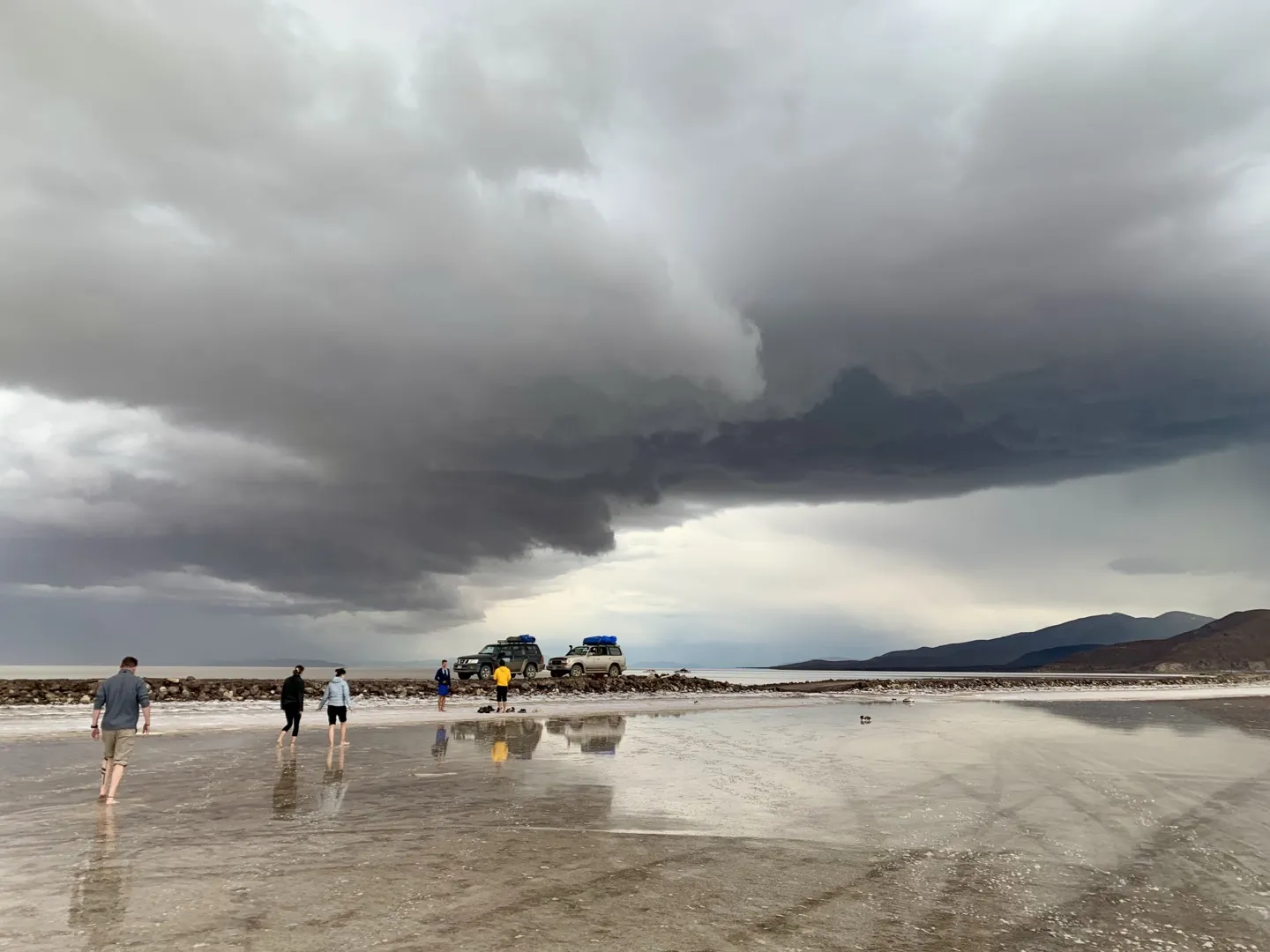
The final accommodation was a salt hostel in Puerto Chuvica, where dinner was also served. This was the best accommodation of the entire trip, with fewer people sleeping in each room and reliable hot showers, which were very welcome after three days of sitting in a 4WD.
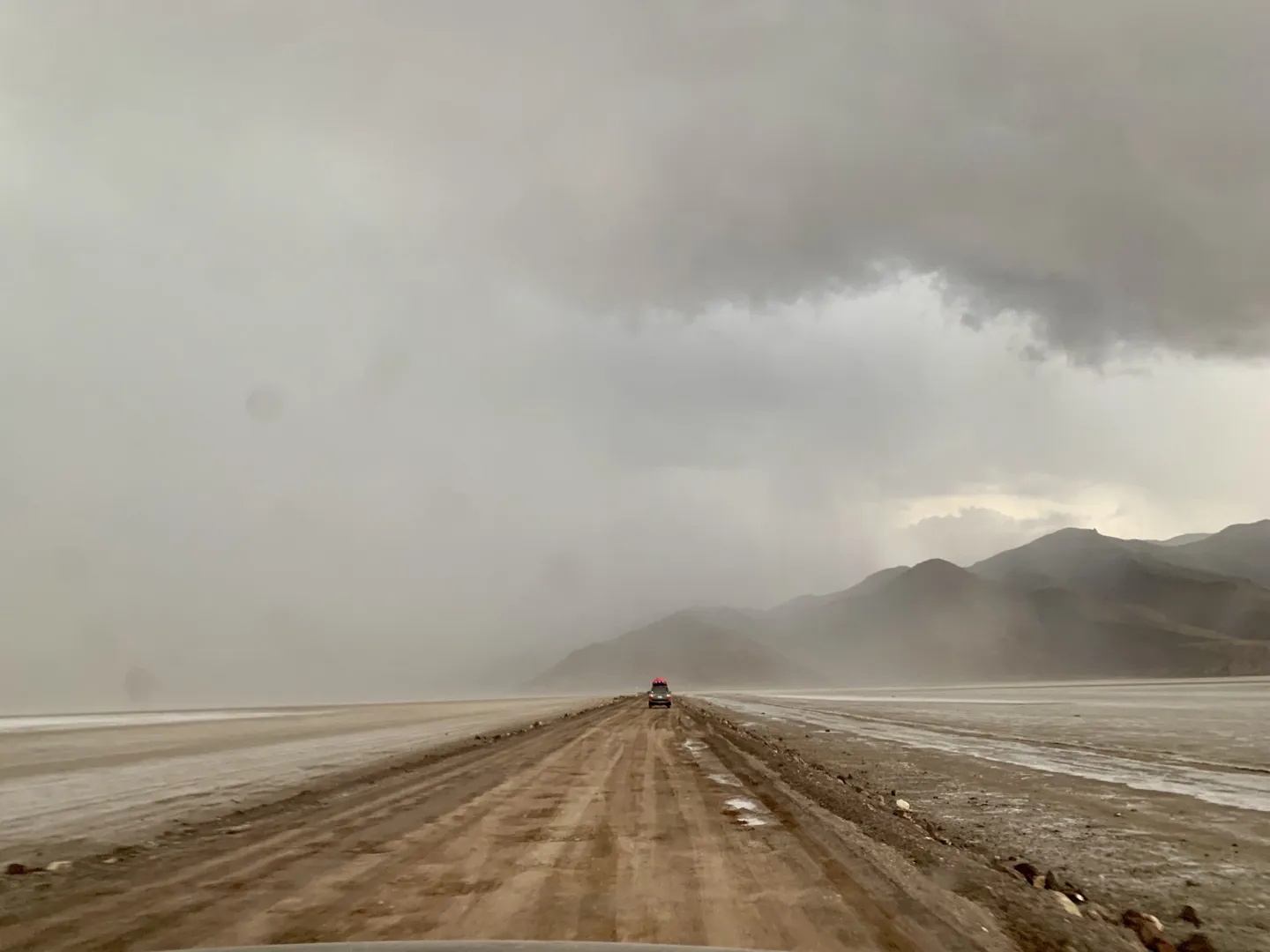
The final day of the four-day tour starts well before sunrise, when you leave Puerto Chuvica after breakfast and drive out onto the Salar de Uyuni in complete darkness. At this stage, the only thing you can see is whatever is illuminated by your 4WD, as you nervously wait and hope that the morning will bring the kind of beautiful sunrise reflected across the salt flats that you have seen in so many photos.
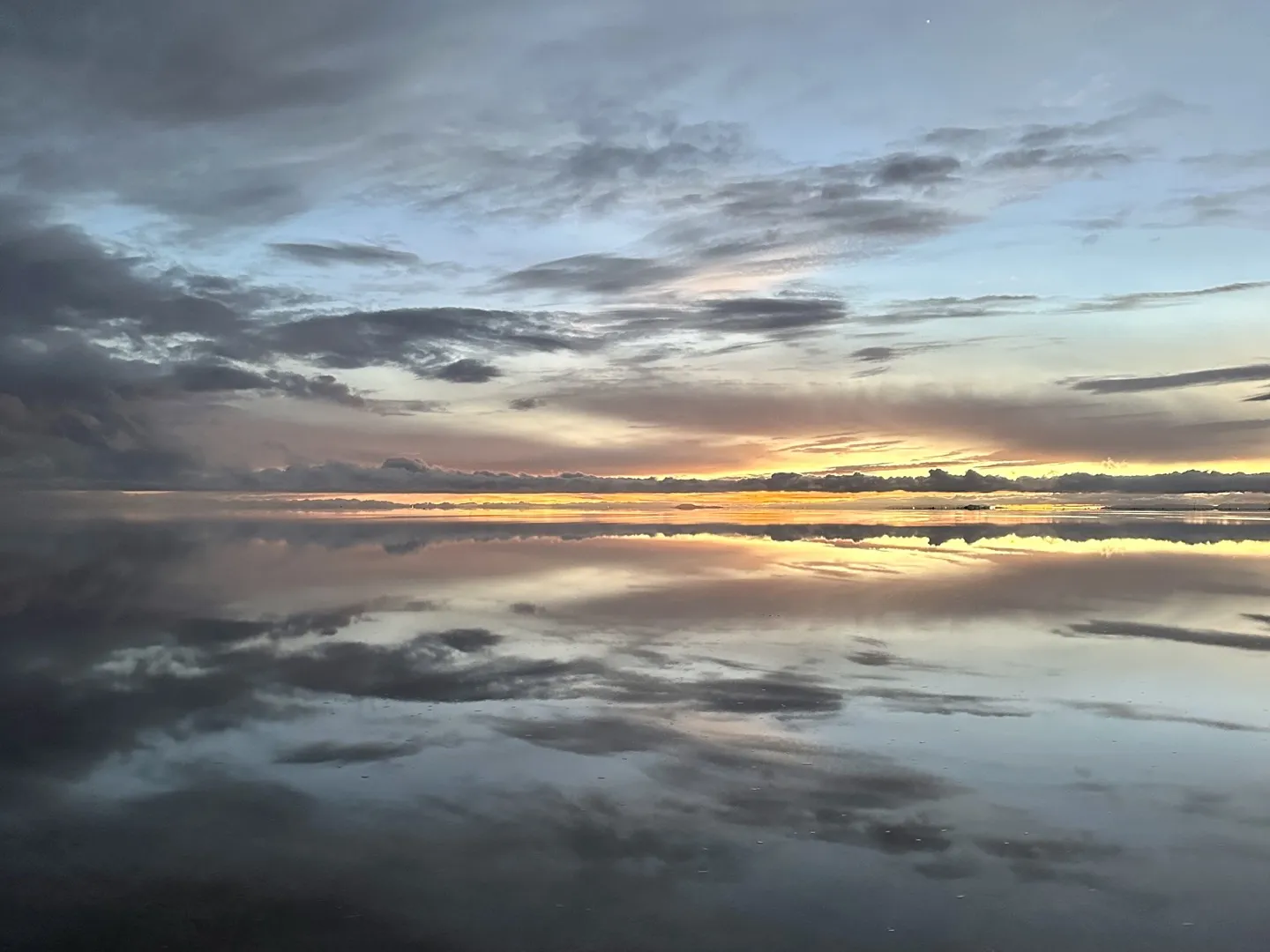
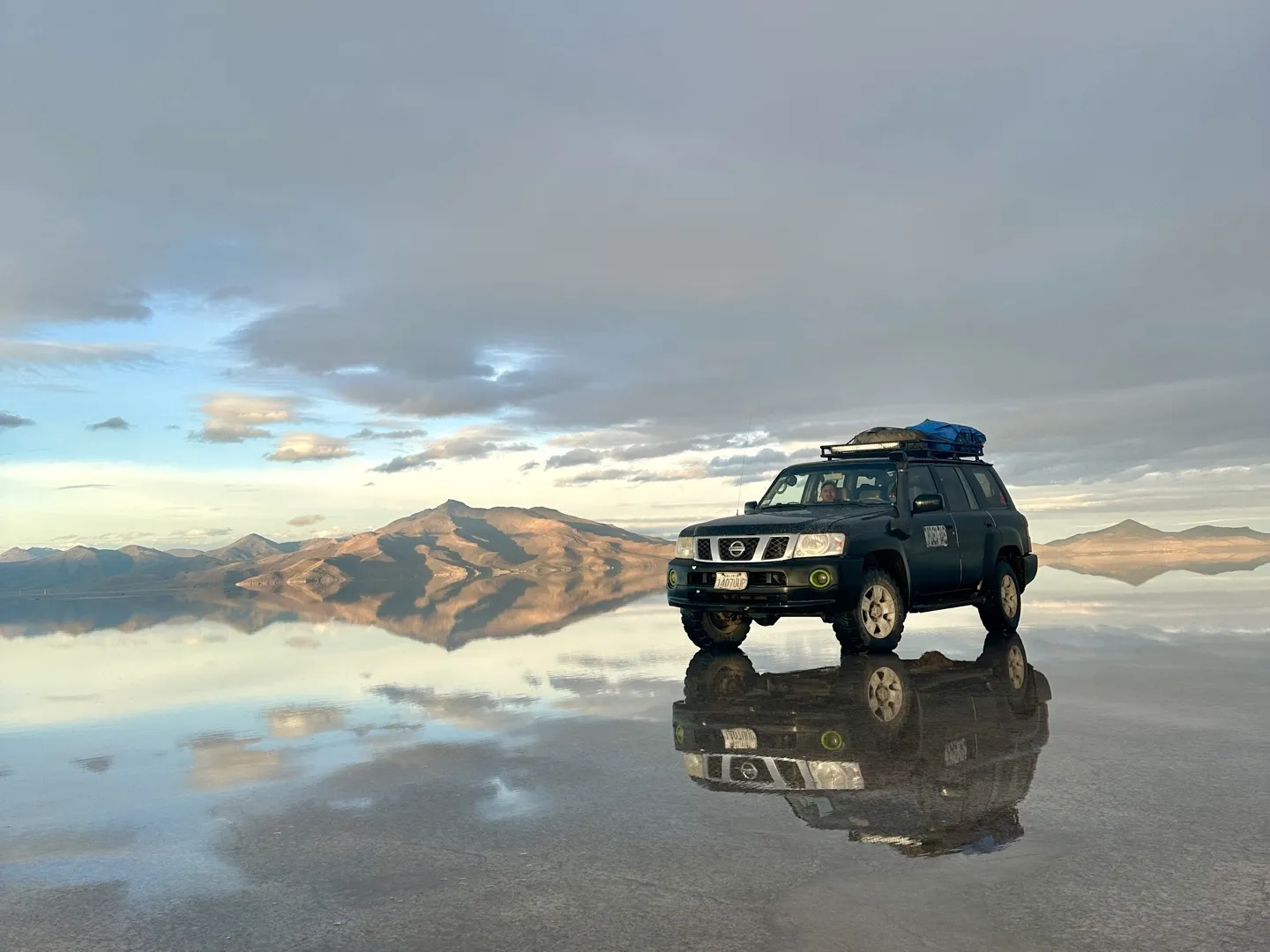
Eventually, our driver chose a spot in the middle of the Salar, where we eagerly waited as the sky started to change colour and dawn approached. As the first light appeared, the reflections of the nearby mountains and the 4WD sitting next to us slowly began to emerge. The sky continued to transform until it became a deep orange with a tinge of pink, perfectly mirrored across the Salar all the way to the horizon, where it became almost impossible to tell where the reflection ended and the sky began.
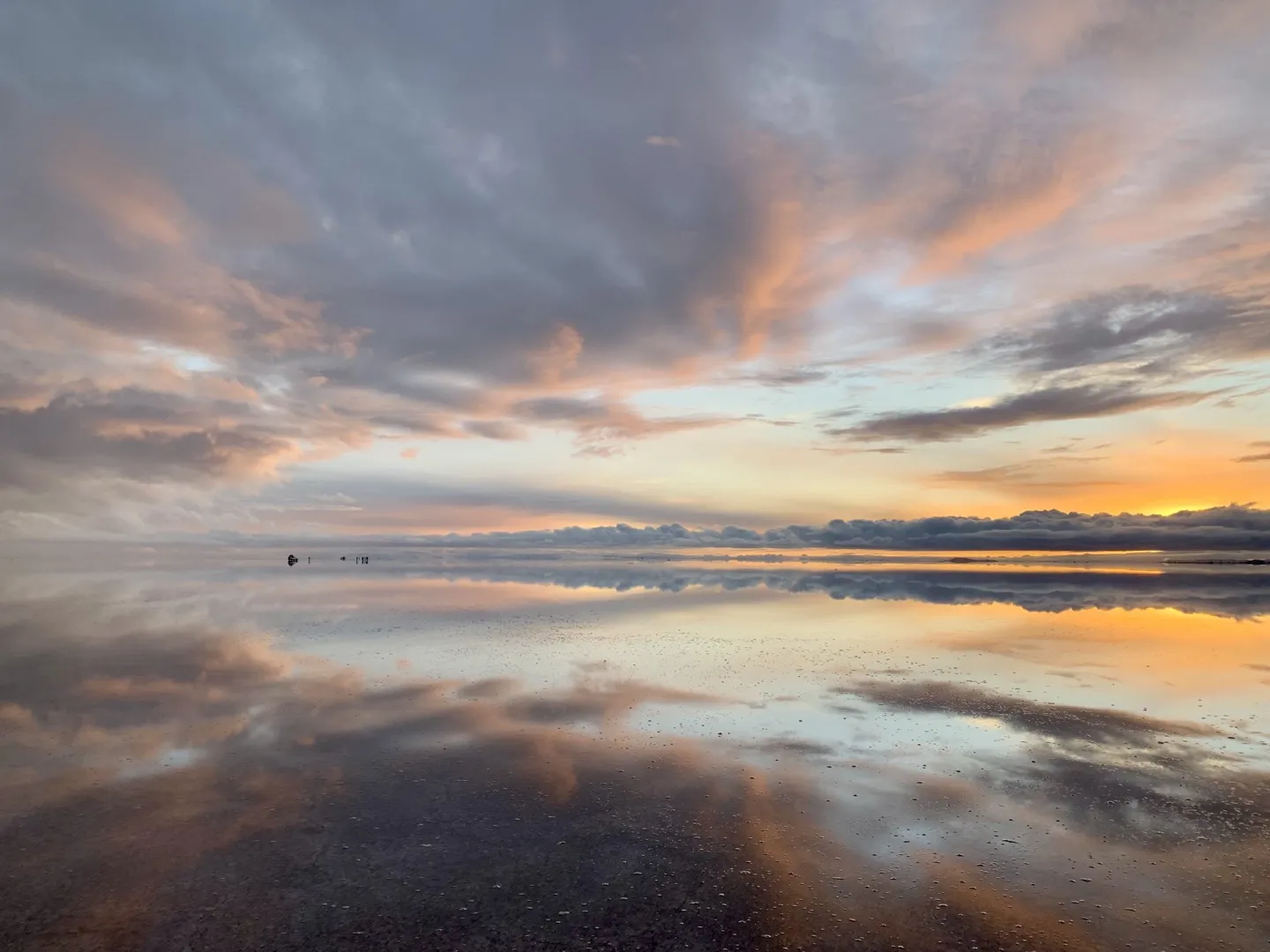
The original itinerary had us watching the sunrise at Isla Incahuasi, but there was too much water on the Salar for us to reach it after the rain from the previous days. When visiting the Salar de Uyuni, and Bolivia in general, you need to find a balance between having enough rain for the reflections to happen and having clear enough weather to actually see them. The best time to do this is in the shoulder season after the wet season in late March and early April.
Visiting during the dry season in Bolivia, between May and October, gives you the best chance of clear weather. However, there is usually no water for the famous reflections.
Once the sun was up, we spent plenty of time taking the classic perspective photos and videos you have probably already seen online. Your driver will help you set these up, and trust me, they will get very creative. Breakfast is then served directly on the salt flats, probably one of the more unique places I’ve had an espresso.
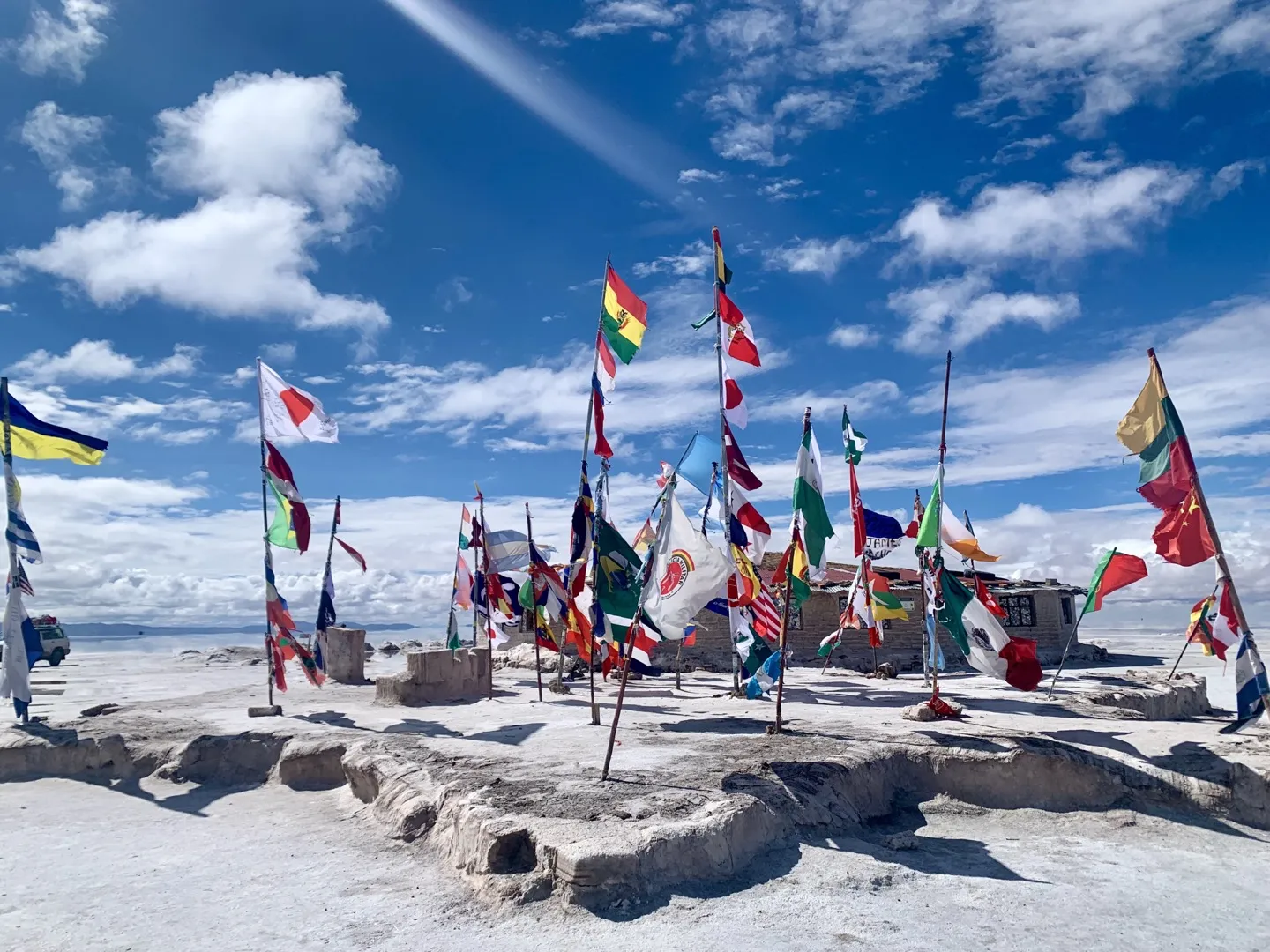
Your final stop on the Salar is at the former Playa Blanca Salt Hotel, which was once an operating hotel built largely from salt. You will also stop at the famous area where flags from around the world are displayed, which was one of the places I was most keen to see and definitely did not disappoint.
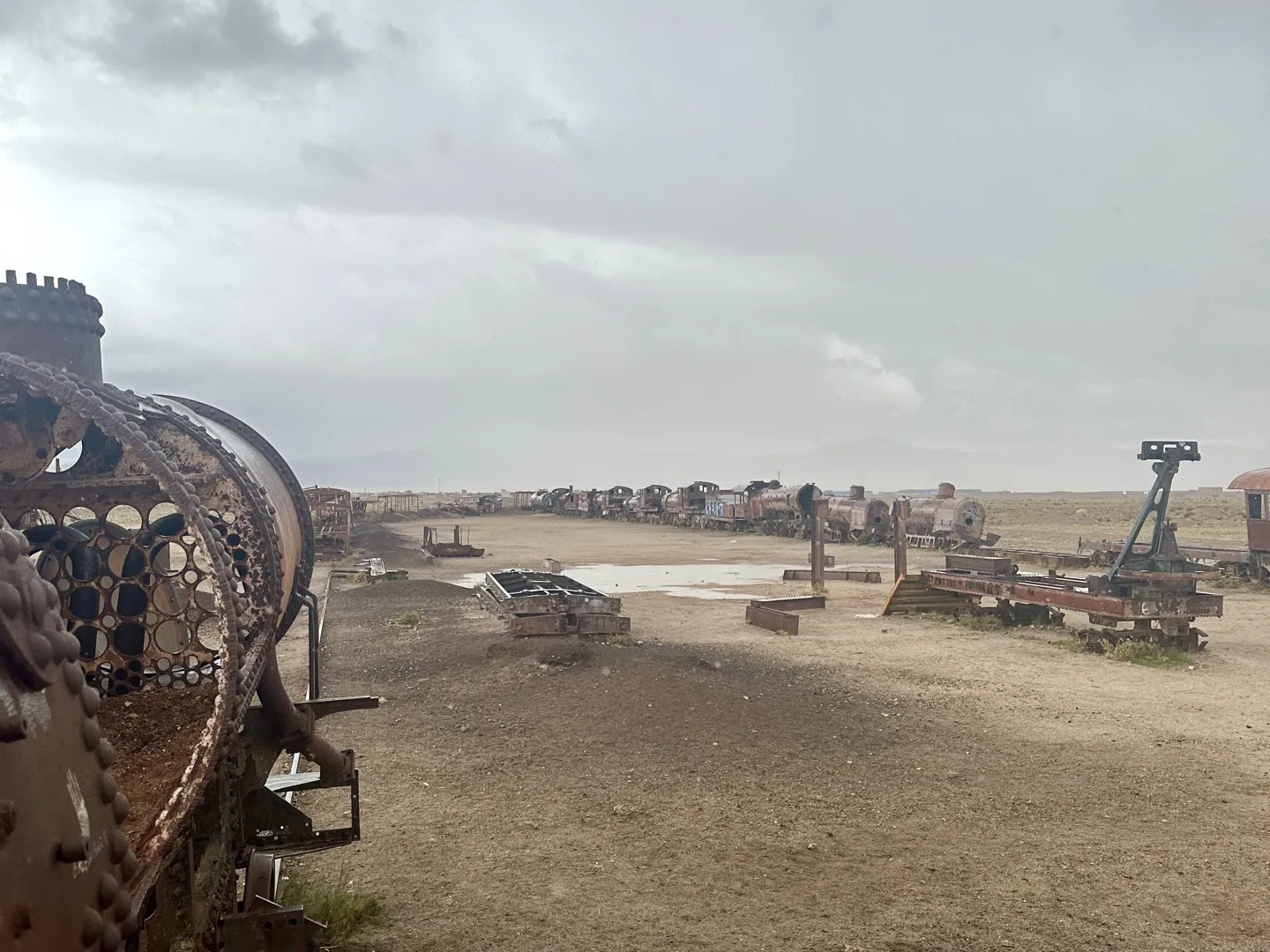
After leaving the Salar, you will have your final lunch with your group in Uyuni before being given the option to visit the Train Cemetery just outside town. It was an optional stop for our group, but one I would recommend since you are already there and it does not take long. Afterwards, our driver dropped everyone where they needed to go in Uyuni, whether that was the bus terminal, airport or somewhere else in town.
Looking back, doing a four-day Salt Flats tour and starting from Tupiza is definitely worth the extra day you spend on the road. There aren’t many places in the world like the reserve you drive through, and having that additional day means you get to see stops that many travellers simply never reach, while also experiencing the route with far fewer tourists along the way.
Three solid alternatives, depending on your budget.
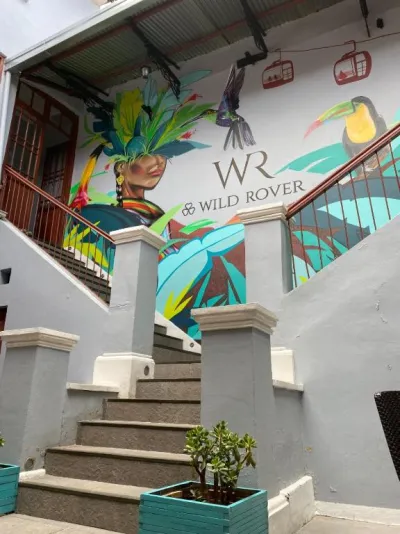
The main party hostel in La Paz and one of the best places to meet people for a night out. The dorms and shared facilities are well looked after, clean and comfortable.
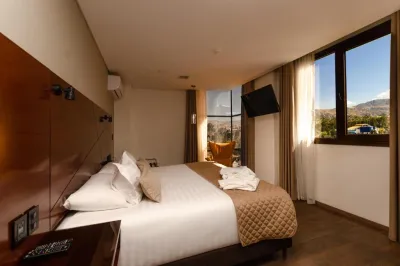
A comfortable, more relaxed option with spacious rooms, a rooftop pool and good facilities. A great choice if you want a quieter, higher-end stay without paying for full luxury.
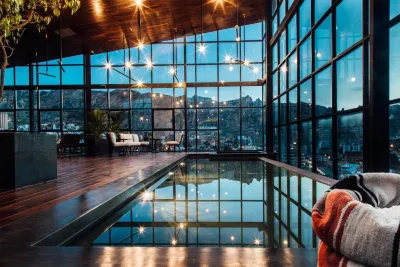
One of the best luxury stays in La Paz, with beautifully designed rooms, huge mountain views and a rooftop bar, pool and spa. A great option if you want somewhere genuinely special for a few nights.
The 4-day Uyuni Salt Flats tour from Tupiza is a relatively cheap multi-day trip. Here is exactly how much I paid.
Conversions are approximate and update daily. Check the live rate before you travel.
Getting to Tupiza might be a little complicated depending on where you are as it does not have a commercial airport. Use the below cards to help you plan your journey to Tupiza.
The Uyuni Salt Flats are most famous for the mirror effect, which only happens when a thin layer of water covers the surface, so timing your visit around the seasons is important. Use the cards below to compare the different times of year and decide when is best for you to visit.
Late March & Early April
End of the wet seasonMay to October
Dry season, most popular monthsDecember to Mid-March
Wet seasonEven though the Uyuni Salt Flats tour is done in a 4WD, you can still experience altitude sickness. The route reaches a maximum elevation of around 4,980 metres (16,339 feet), while the three towns you stay in average roughly 4,000 metres (13,100 feet) above sea level. Use the cards below to help reduce your risk of altitude sickness.
Acclimatise before the tour
If you are coming from sea level, try spending a few days at altitude before starting the tour if possible. Arriving in Tupiza from sea level and immediately sleeping above 4,000 metres (13,100 feet) gives your body very little time to adjust.
Pick up coca leaves and understand your medication
Coca leaves are cheap, easy to find and commonly used throughout Bolivia by locals and travellers to relieve altitude symptoms. If you carry altitude medication, make sure you know how it works. Acetazolamide is generally taken before ascending to help prevent symptoms, while dexamethasone is usually taken after symptoms develop.
Go easy on the alcohol
Alcohol can make adjusting to altitude harder, particularly during your first couple of days at elevation. I would steer clear of drinking too heavily before or during the early part of the tour while your body is still acclimatising.
Know the warning signs
Headaches, nausea, dizziness and unusual fatigue are common early symptoms of altitude sickness. Tell your guide if you start feeling unwell, especially if the symptoms continue to worsen rather than improving with rest.
For the 4-day Salt Flats tour, you will take all of your luggage with you and store it in the back of the 4WD. I recommend keeping the items below in a separate small bag so you do not have to keep going back to your main luggage throughout the day.
The questions I had before spending four days on the road to Uyuni.
Yes, but you will need to let your tour company know about any dietary requirements before leaving Tupiza so they can organise the meals in advance.
Technically, you can drive through the reserve without a guide, but I would only recommend it if you have a clear itinerary, downloaded offline maps, experience driving on rough unpaved tracks and, most importantly, know how to deal with a breakdown. Large sections of the route are extremely remote, with poor phone signal and very little infrastructure, so you cannot rely on being able to quickly call for help if something goes wrong.
Most tours will have a minimum of four people and a maximum of six in each 4WD. Usually, having more people makes the tour cheaper, but the trade-off is less room inside the car during some very long driving days.
Phone signal is patchy but does appear at different points along the route. Some of our accommodation also had Wi-Fi, although it was pretty unreliable, so I wouldn’t plan on having consistent internet for the four days.
Yes, I was able to charge my devices at the accommodation, but I would still bring a power bank. Power points are shared between several people and electricity at the more basic hostels is not something I would completely rely on.
Not regularly. You will normally need to wait until you stop at a village to use the toilet, so make sure you carry some toilet paper with you just in case.
You can expect to spend roughly 7–8 hours in the 4WD each day, broken up by plenty of sightseeing stops along the way.
For the 4-day tour, you bring your large bag with you and store it at the back of the 4WD. I would separate everything you think you will need during the day in a smaller day bag so you are not constantly reaching for your main bag while on the road.
Keep planning your Bolivia trip with more experiences, climbs and practical guides.
The perfect place to start if you are still unsure what to do in Bolivia. These first-hand guides will help you decide how to spend your time and shape the rest of your trip.
La Paz · Cordillera Real
La Paz · Plaza Sucre


