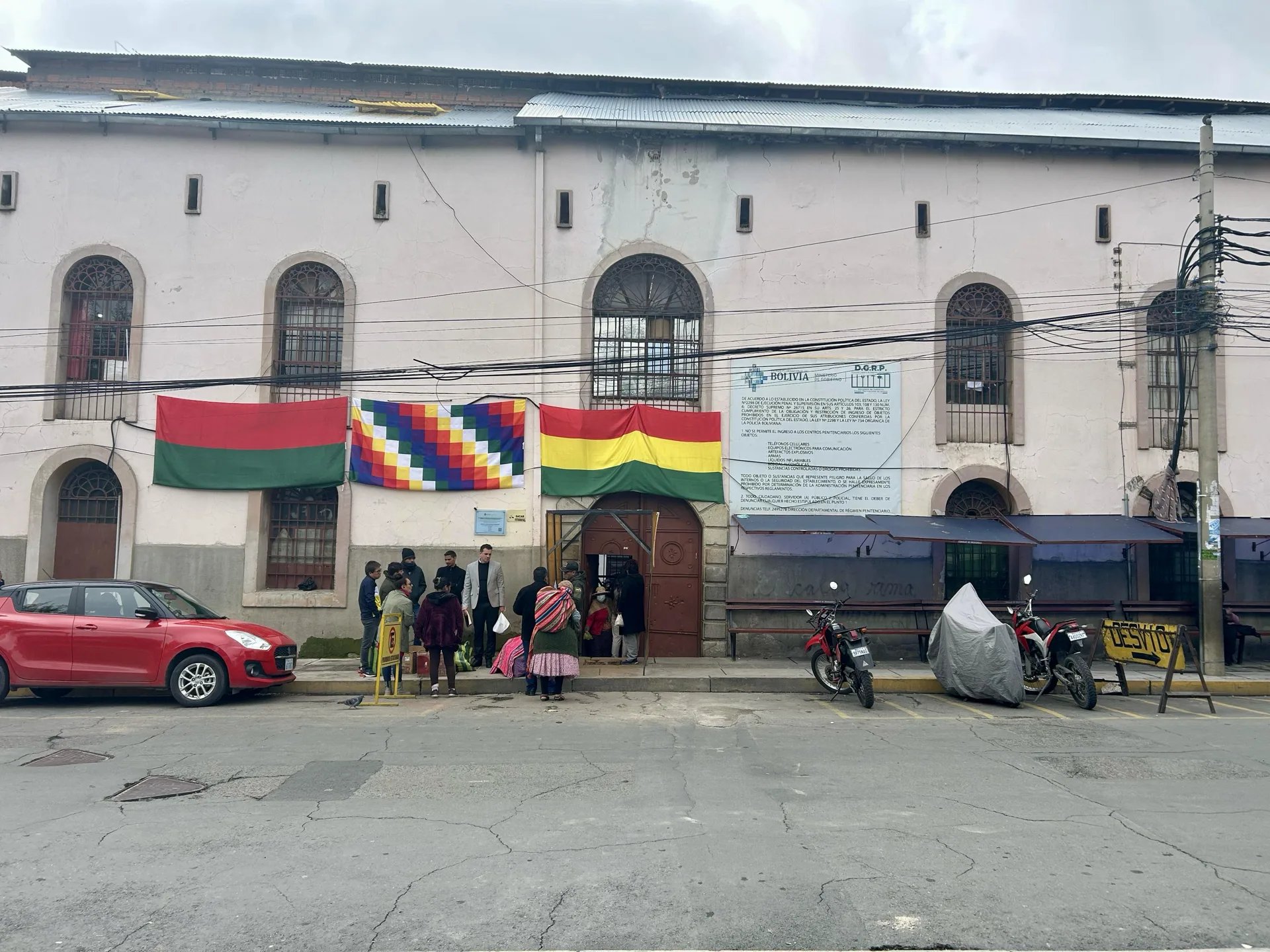
San Pedro Prison sits right in the centre of La Paz, yet behind its walls is one of the most unconventional prison systems in South America. Inmates have traditionally run much of the prison themselves, creating their own internal economy, social hierarchy and way of life, all while normal life in La Paz carries on just metres away. Anyone who has read Rusty Young’s Marching Powder will recognise the name, after following the story of former inmate Thomas McFadden and the prison tours he helped make famous.
While touring through San Pedro as a tourist is no longer possible, meeting Crazy Dave is the closest alternative you will find today. Dave is an American former inmate who spent 14 years inside San Pedro and now retells his story to tourists outside the prison walls. This guide covers what makes San Pedro so unusual, whether you can still visit it today, who Crazy Dave actually is and exactly how to find his tour in La Paz.
Some links in this guide are affiliate links. I may earn a small commission if you book through them, at no extra cost to you. I only link to places I have personally stayed and would recommend. Affiliate Disclosure.
San Pedro Prison Guide
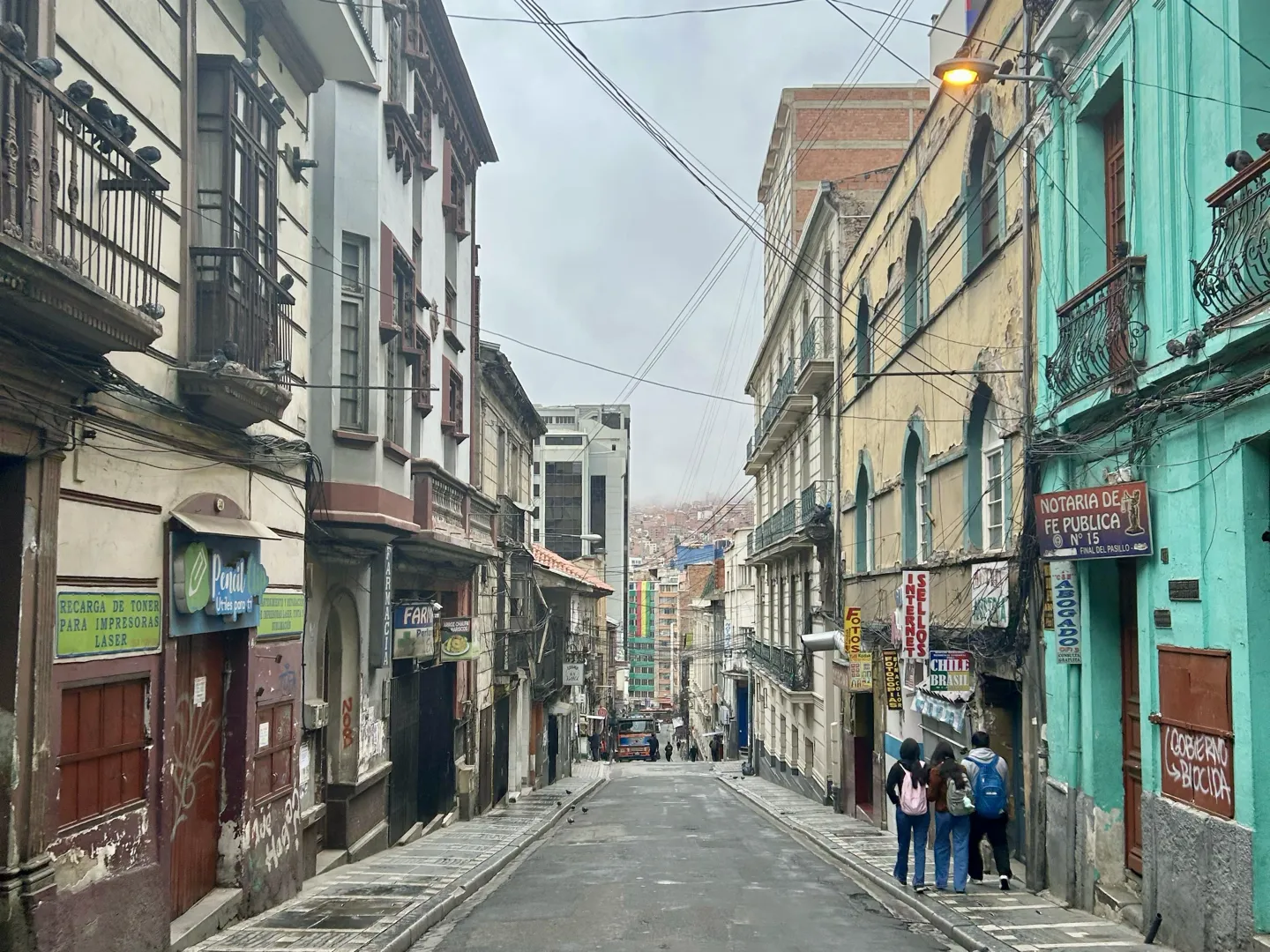
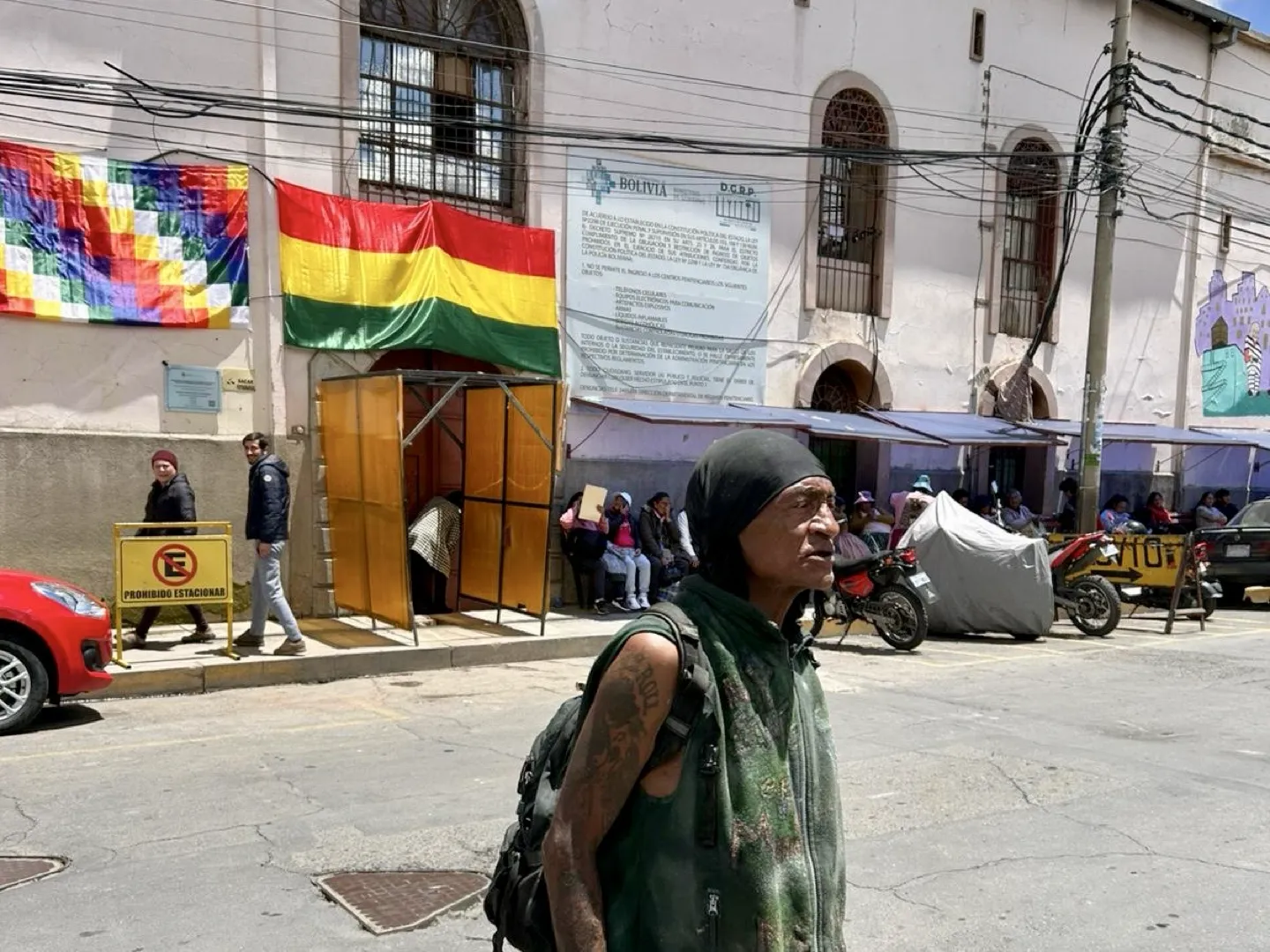
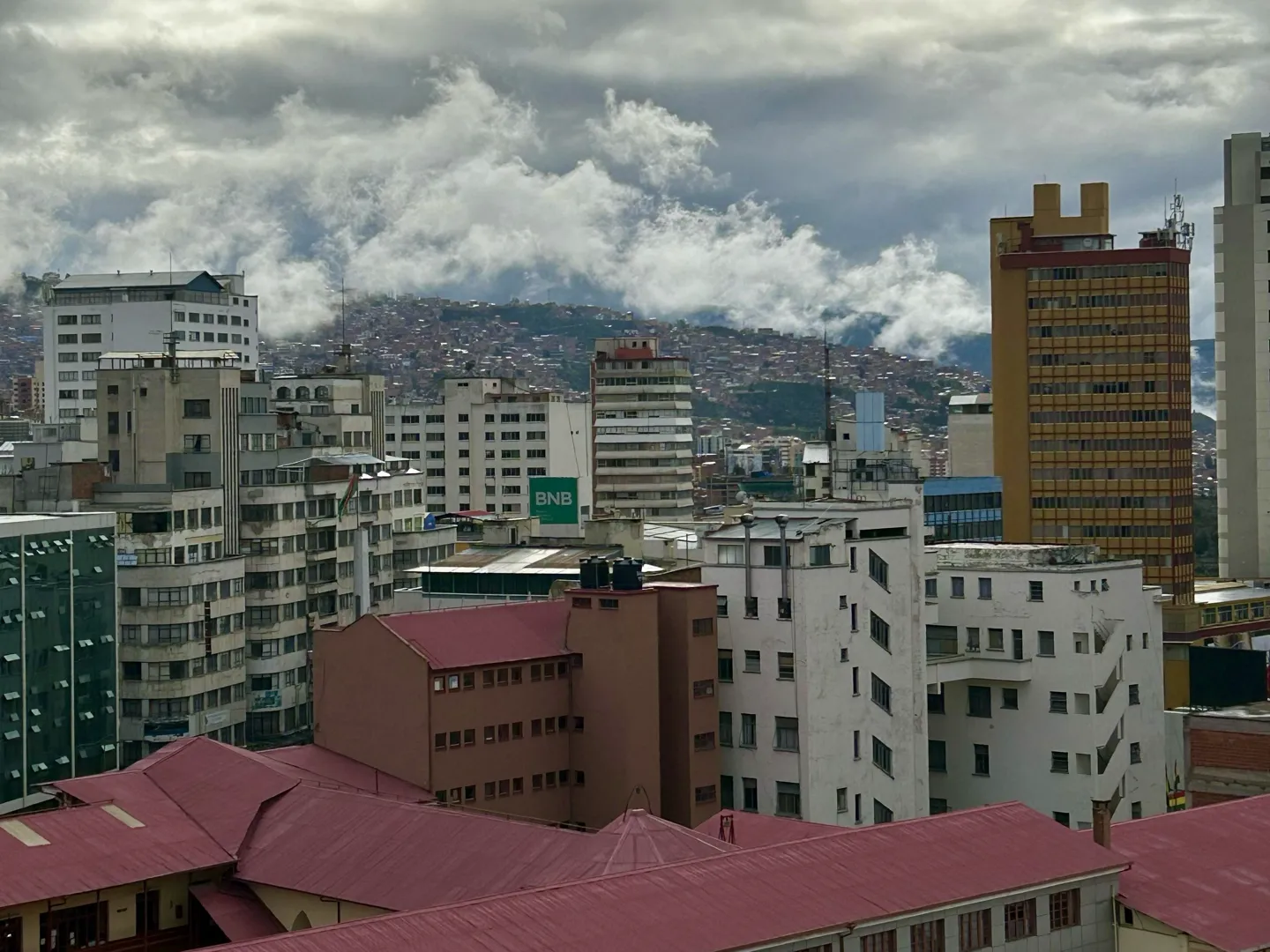
There are a lot of unconventional things about San Pedro, but the first thing that surprised me was just how central it is. When I plugged San Pedro Prison into Google Maps and saw that it was only a five-minute walk from my hostel, I thought there had been a mistake and that another landmark in La Paz must have been called San Pedro. However, nothing was wrong and Google Maps wasn’t playing up. The prison sits right in the centre of La Paz and could easily be mistaken for a government building surrounded by normal city life.
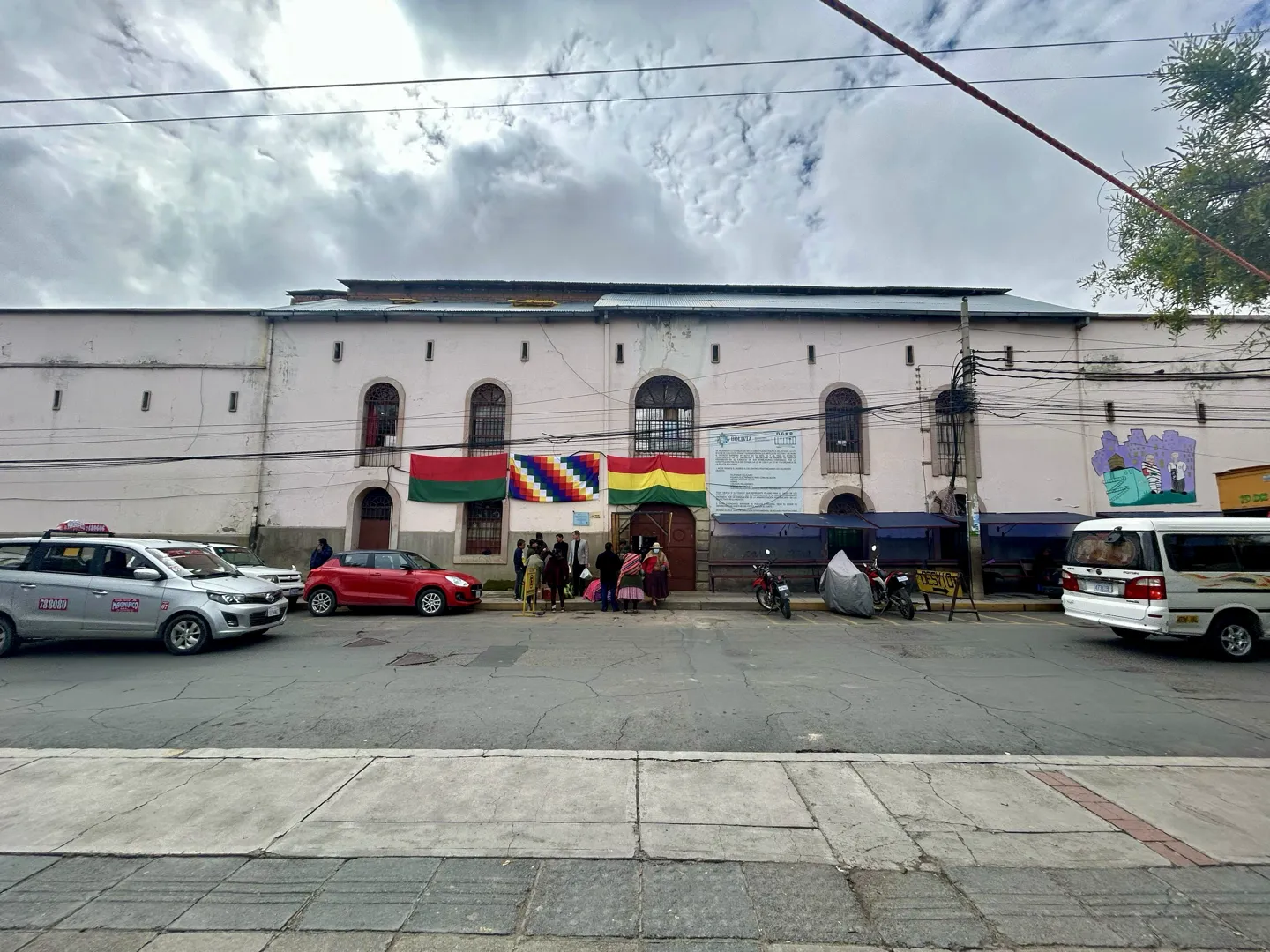
The way San Pedro is run looks nothing like a typical prison and reminds me more of Sona Prison from Season 3 of Prison Break. The prison operates almost as its own ecosystem within the bustling city of La Paz, with inmates taking on far more responsibility for daily life than you would expect. Different sections have their own elected representatives who help manage disputes, organise the area and deal with problems internally. While guards still control the prison itself, much of what happens behind the walls is organised by the prisoners.
This unconventional prison system has also created a surprisingly stratified class divide. Once incarcerated, prisoners have to buy or rent their cells, meaning those with money can live very differently from those without it. Some inmates have no choice but to sleep in overcrowded rooms or even outside, while wealthier prisoners, such as political prisoners or drug lords, can rent cells with private bathrooms, kitchens, televisions and reportedly even jacuzzis. San Pedro may sound like something unimaginable, but perhaps it isn’t so different from the world you already know.
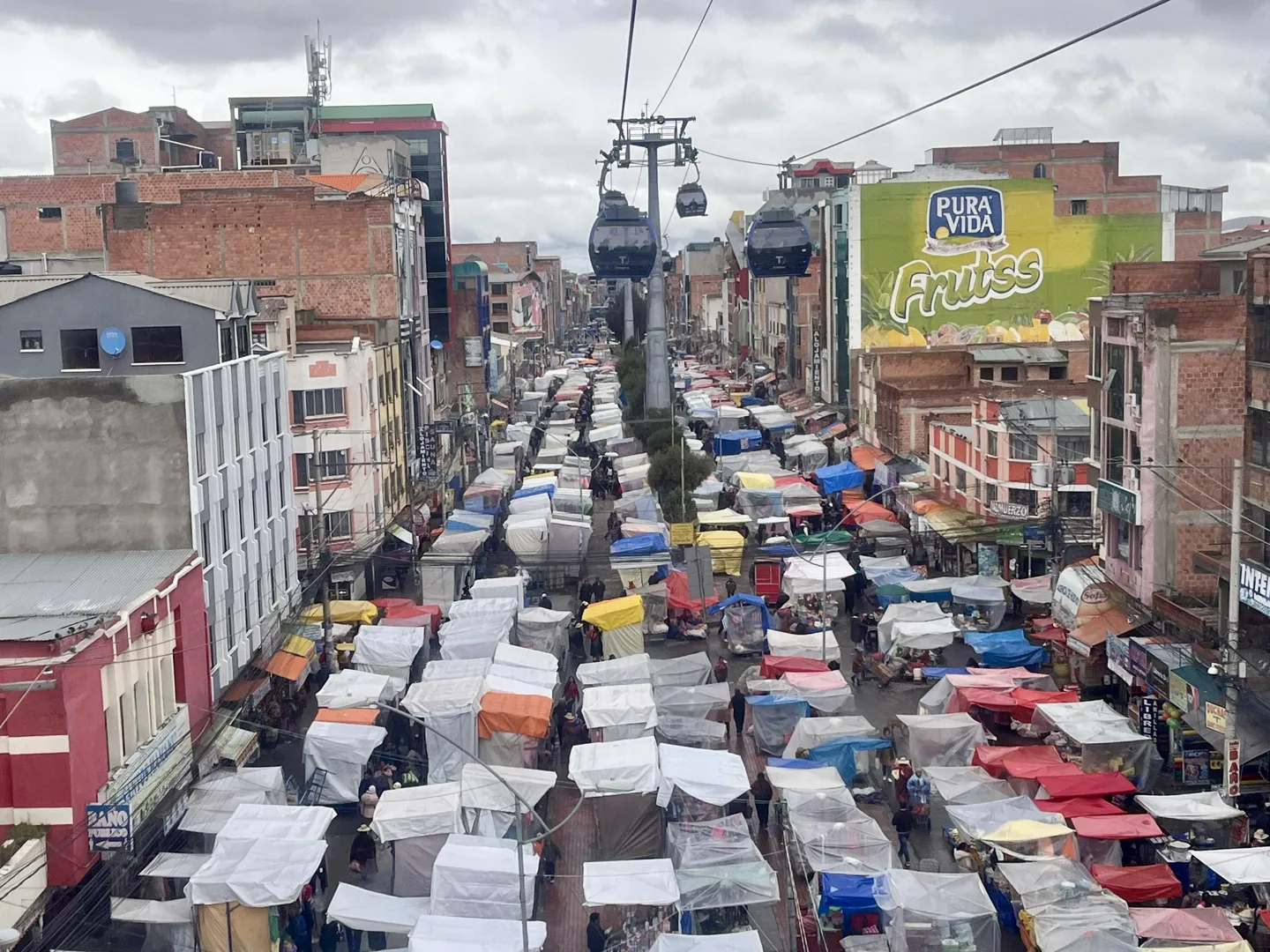
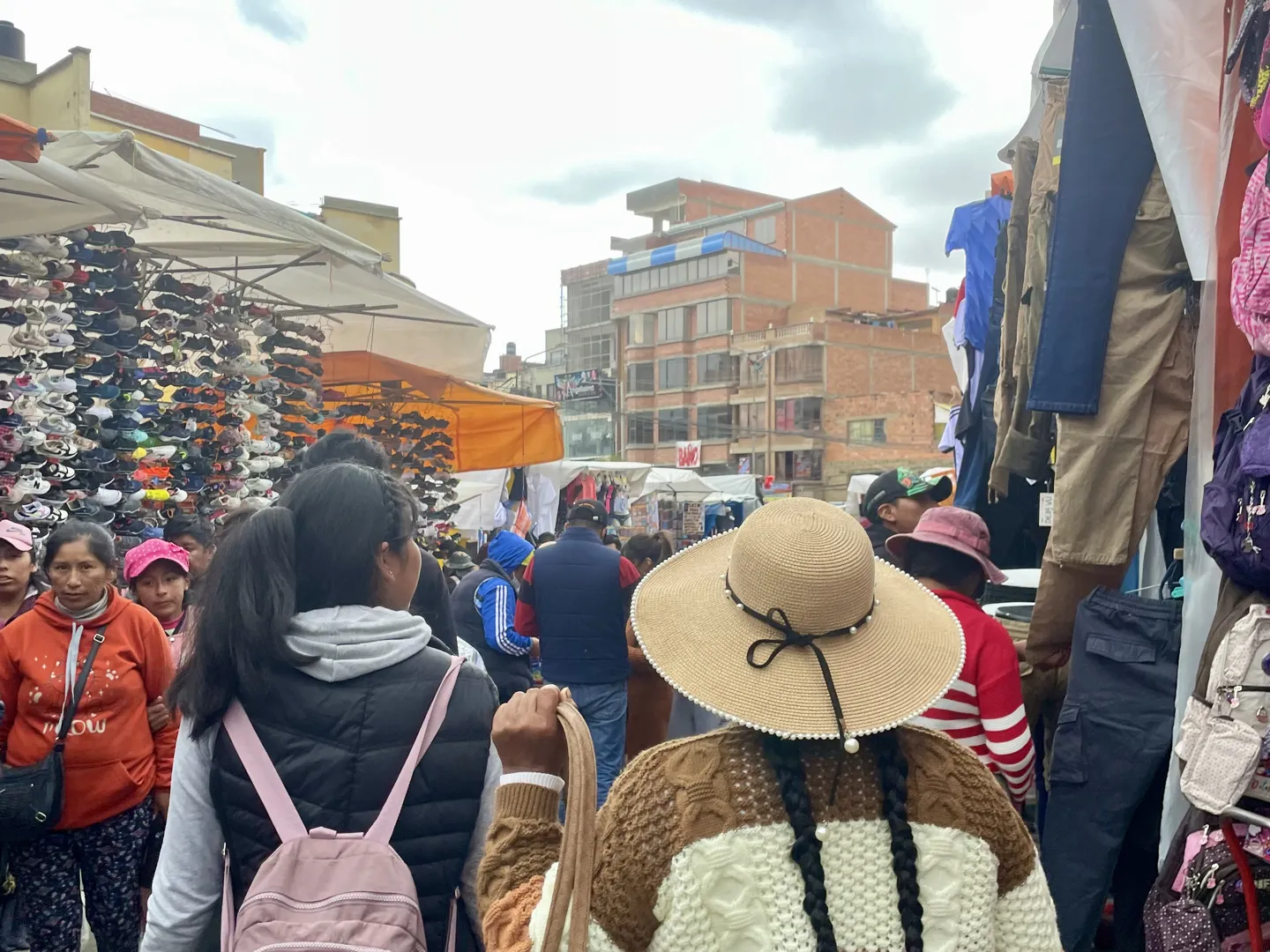
Taking even more capitalist inspiration from the outside world, San Pedro Prison also has its own internal economy. Inmates need to make a living and can do so by running restaurants, barbers, shops (tiendas) and other small businesses, allowing them to earn enough to survive and, back in the day, provide for their families. In the past, inmates could have elected to live inside with their wives and children, although this practice was later ended after an incident involving a 12-year-old girl.
Of course, San Pedro didn’t gain its notorious international reputation just because inmates could open shops or buy nicer cells. It also developed a much darker reputation for drugs and other illegal activity. Cocaine was reportedly produced inside makeshift laboratories, while drugs, such as the crippling base smoked by inmates, and alcohol were widely available. Up until 2009, daily tourist tours were the norm, with visitors entering in the morning, joining all-day drinking sessions and even walking out with an illegal souvenir if they wished, all under the watchful eye of the prison guards.
The short answer is no, you cannot visit San Pedro like you used to be able to. The “official” tours originated with an inmate called Thomas McFadden, a British national who began showing backpackers around the prison before his story was later told in Marching Powder by Rusty Young (one of my favourite books to date). By 2009, after years of prison tourism and increasing media attention, the authorities finally cracked down on the tours.
The old tours were about as unconventional as the prison itself. Every morning, a line of backpackers would pay their way through the prison gates before being shown around the different sections, visiting cells and seeing the businesses operating inside. There were also additional activities on offer, including day drinking with prisoners and buying cocaine produced in the prison’s own labs downstairs. When the clock struck 5pm and it was time to leave, those who were having fun and didn’t want to go could even rent a cell and stay overnight.
These days, if someone offers to take you inside the prison for a tour, I would be extremely sceptical. The tours that once operated no longer exist, and you would be entering a functioning prison, likely without other tourists or the same facilitators that were around back in the day. Today, anything advertised as a San Pedro Prison tour is drastically different and is usually just a stop on a La Paz walking tour, where a guide explains the prison’s history while you remain outside.
Crazy Dave is an American former inmate who went from serving a lengthy sentence inside San Pedro to becoming one of the more recognisable and iconic characters hanging around outside it. Dave was imprisoned in San Pedro after trying to smuggle cocaine out of the United States and into Bolivia (yes, this sounds strange and normally like something that happens in reverse). He was caught as soon as he landed in La Paz and was sentenced to 14 years in prison.
From Dave’s account, it sounded like he lived a hundred different lives while in prison. Being American was not well received by some of the other inmates or guards, particularly during his first year. One attack involving other prisoners left him with a badly broken elbow that was never properly treated. Over his 14-year sentence, he had to learn to fend for himself, pick up broken Spanish and take on a range of different jobs in order to survive.
Dave worked numerous jobs, including in cafés and restaurants, but more uniquely, he became the prison’s first English teacher. With a school somehow operating inside the prison and Dave being the only English-speaking inmate, he was an obvious candidate for the job. Rather than earning a normal wage, he was paid in grams of cocaine for every lesson he taught. In a completely different line of work, Dave also recalls a short stint in the cocaine labs beneath the prison, although he quickly left because of the dangers surrounding the job. Eventually, he moved into another new career opportunity: prison tourism, developed by Thomas McFadden.
After being released from San Pedro Prison, Dave had no choice but to stay in La Paz, as he was unable to return to the States due to the child support debt he had accumulated while incarcerated. He decided to take the tour guide skills he had developed on the inside and use them on the outside, retelling his story every day to tourists looking for something different from a traditional walking tour. Over time, word of mouth between backpackers did the rest, turning an American ex-prisoner into an icon of San Pedro Prison.
Finding Crazy Dave’s tour is actually pretty easy: make your way to Plaza Sucre, directly opposite San Pedro Prison, at 1pm, any day of the week and Crazy Dave will find you. You may be a little sceptical at first, like I was, but I assure you this is genuinely how finding the tour works. There is no way to make a reservation online or book through WhatsApp, so turning up in person is really the only way to find him.
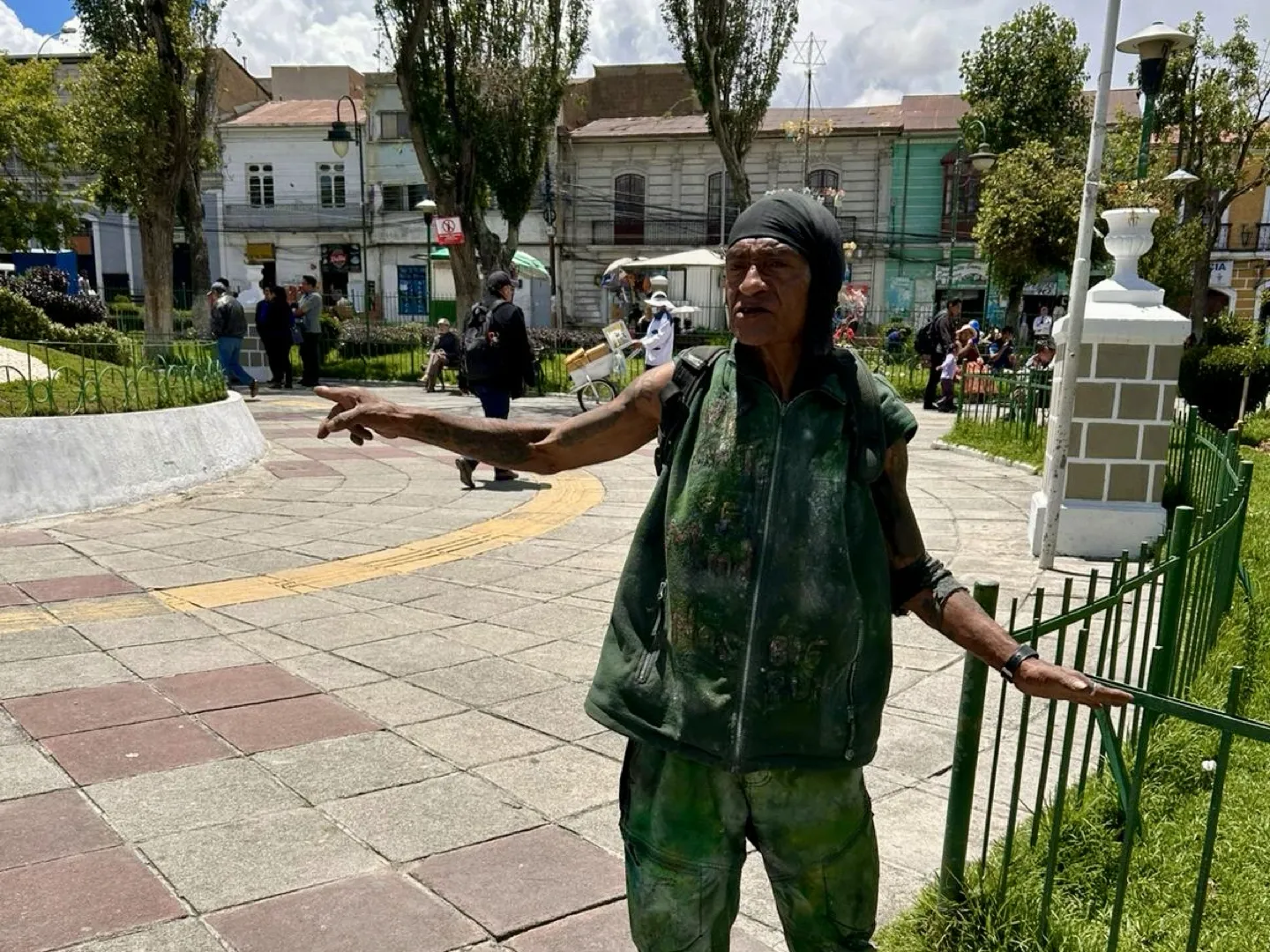
Crazy Dave’s tour lasts roughly 60 to 75 minutes and takes place entirely outside San Pedro Prison. The tour lacks formality, and no two tours are exactly the same, as there is no planned route or script. You essentially stand outside San Pedro while Dave charismatically tells you his life story, acting out scenes from his time inside and impersonating different people he met along the way.
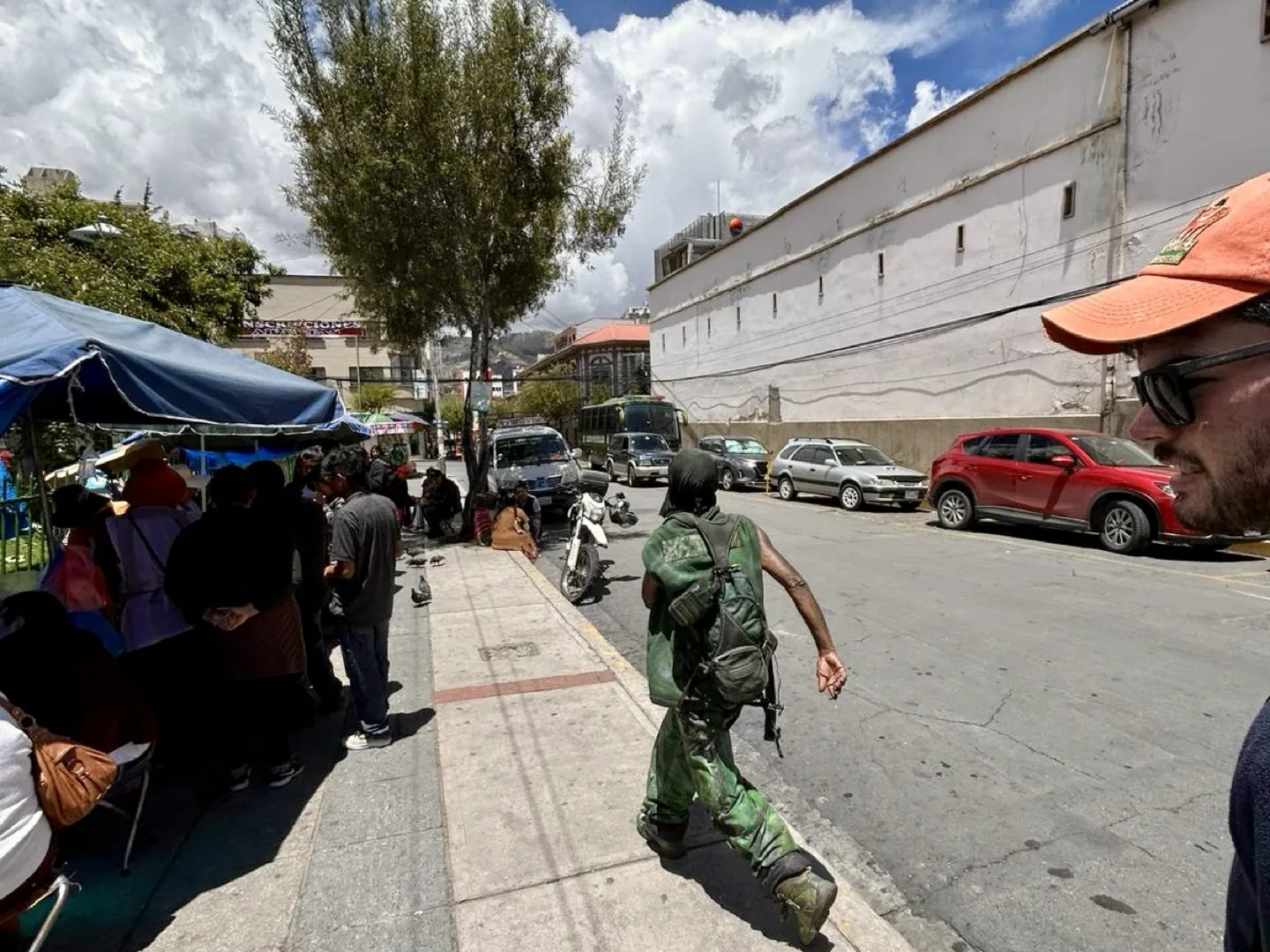
My tour started with Dave taking us across the road from the prison and explaining the different sections behind the walls as we walked up and down. He showed us where the political and other wealthy prisoners stay and, on the opposite side, where the general population bunk. Some of the guards outside clearly recognised Dave and, somewhat jokingly, began shooing him away while pretending to point their automatic rifles at him. That was enough to spook Dave, so he quickly moved us away over to a nearby bench, where we sat down for the rest of his stories.
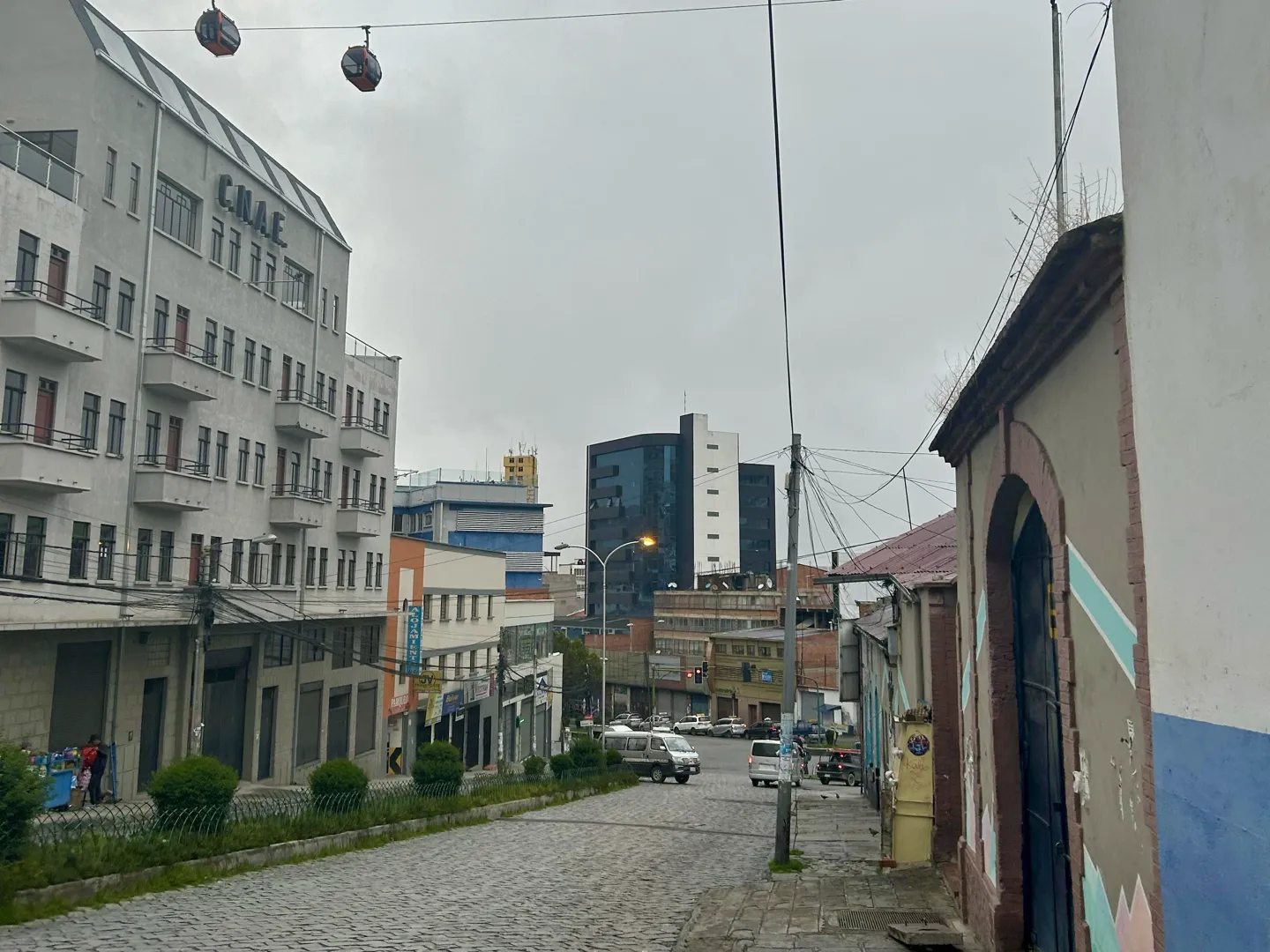
Dave starts by telling you about his troubled life in New York and what eventually led him to do what he did. From there, he moves into the 14 years he spent in San Pedro, starting with how much he struggled before eventually learning how to survive and navigate the prison. The stories that stuck with me most were his time as an English teacher in the prison school, his short stint manufacturing cocaine in the downstairs labs and the three prison escapes that took place while he was there.
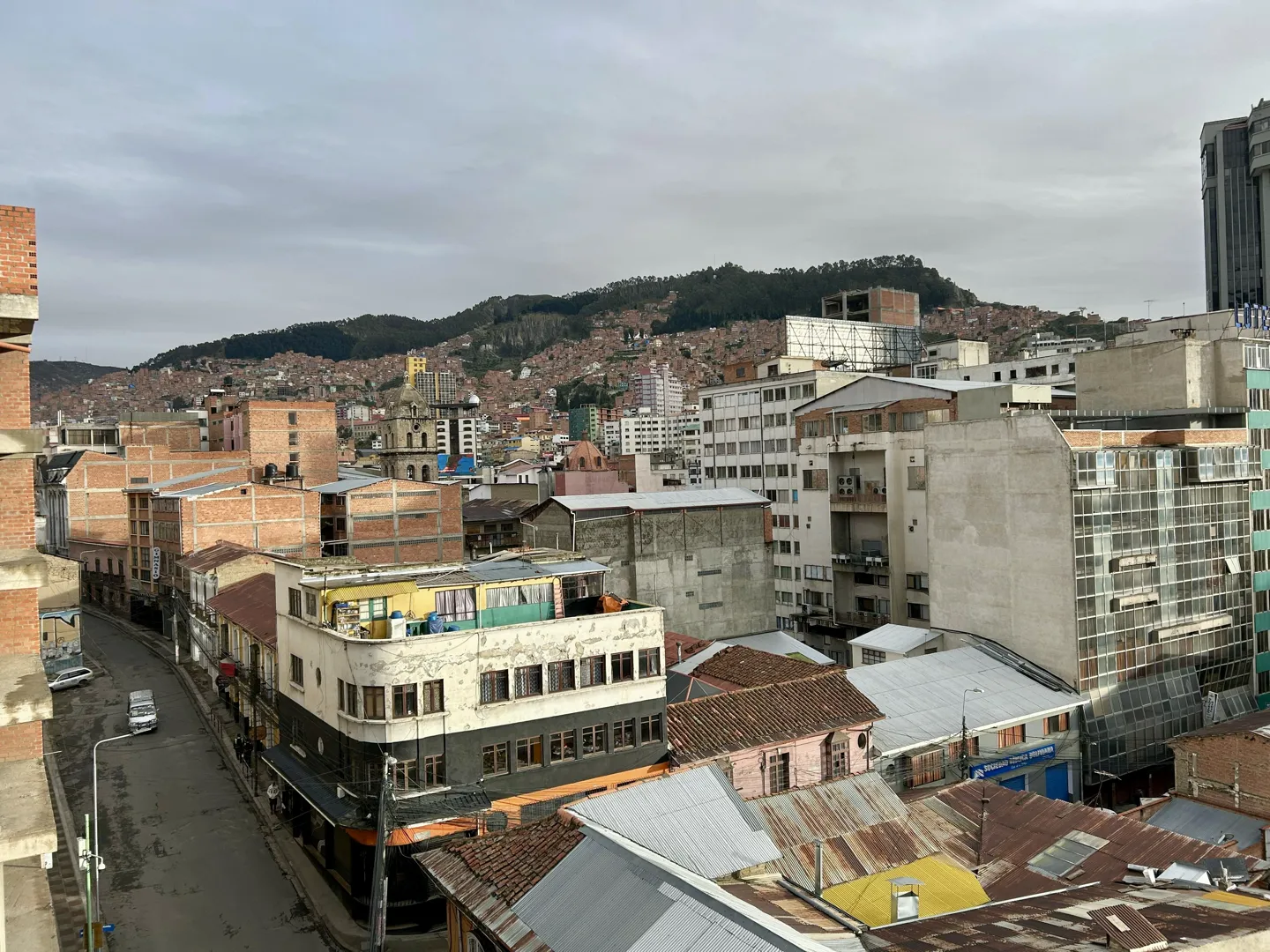
Dave also compares what life inside San Pedro was like before authorities cracked down on prison tourism and tightened the security rules. Back in the day, he said it wasn’t unusual to see prisoners sunbaking on the roofs while catcalling women walking past on the street. Prisoners could also bribe their way out for a night in La Paz, escorted by a guard, as long as they were back before sunrise.
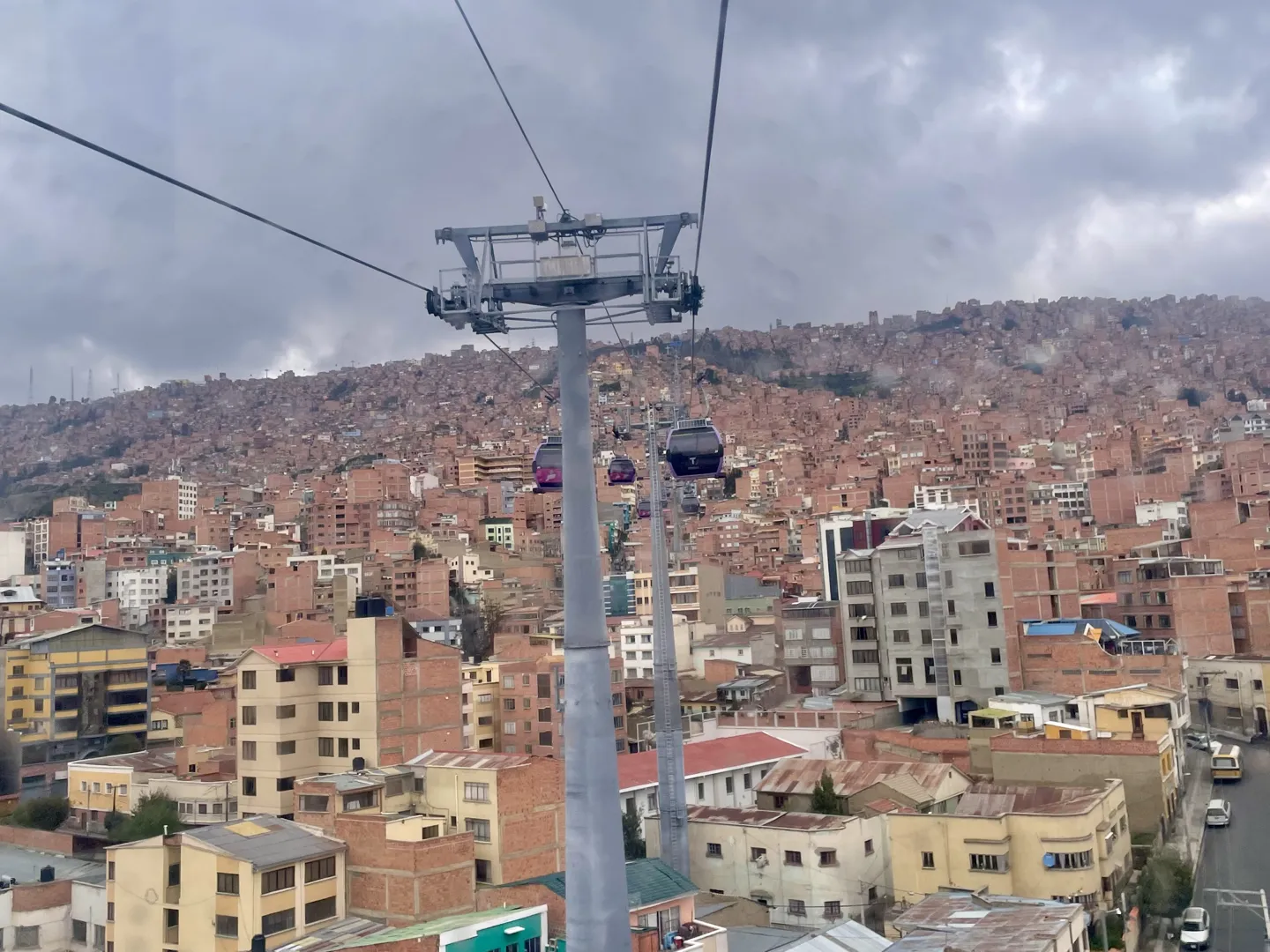
There is definitely no fixed script, which can be both a good and bad thing. Dave doesn’t simply narrate his life either. He impersonates different characters from his stories with so much conviction that it’s hard not to get drawn in and ask follow-up questions. Other backpackers told me beforehand that he sometimes gets carried away with stories that have very little to do with San Pedro, so the easiest way to get him back on track is simply to interrupt with something like, “Hey Crazy Dave, can you tell us about [something about the prison]?”
Crazy Dave’s tour is completely free to attend and he will not charge you to listen to his story. Instead, he operates entirely on tips (cash only), although after seeing how much effort he puts into the tour, it’s hard not to feel compelled to give him something generous. Dave gives 110% to every story, and his charismatic storytelling is worth every Boliviano you hand over. He is also refreshingly honest about where some of the money goes, openly admitting that part of the reason he asks for tips is to buy weed.
In my opinion, going to listen to Crazy Dave’s story is absolutely worth it and something I would definitely recommend adding to your La Paz itinerary, no matter what type of traveller you are. Dave has such a unique story, and this is not the kind of tour you are likely to find in any other city. Plus, it only takes around an hour, so it is easy enough to fit into whichever day you have planned in La Paz.
La Paz has plenty of world-renowned activities, while San Pedro Prison tends to sit more on the outskirts of people’s knowledge. I was initially planning to do a normal walking tour through the city, but after someone recommended Crazy Dave to me, I decided to give him a chance instead. Looking back, I definitely don’t regret that decision and would even go back to see Crazy Dave again, as meeting him ended up being one of my favourite memories in La Paz.
No Prison Cell Available? Sleep Here.
Three solid alternatives, depending on your budget.
The main party hostel in La Paz and one of the best places to meet people for a night out. The dorms and shared facilities are well looked after, clean and comfortable.
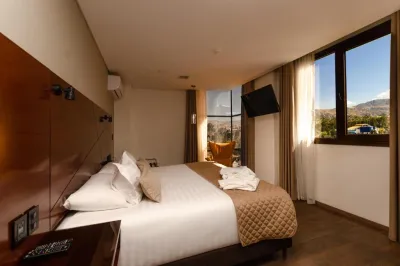
A comfortable, more relaxed option with spacious rooms, a rooftop pool and good facilities. A great choice if you want a quieter, higher-end stay without paying for full luxury.
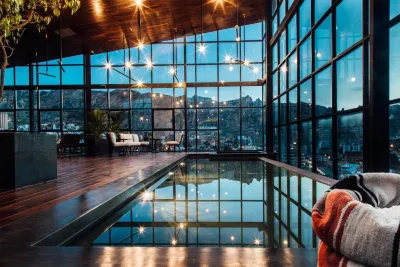
One of the best luxury stays in La Paz, with beautifully designed rooms, huge mountain views and a rooftop bar, pool and spa. A great option if you want somewhere genuinely special for a few nights.