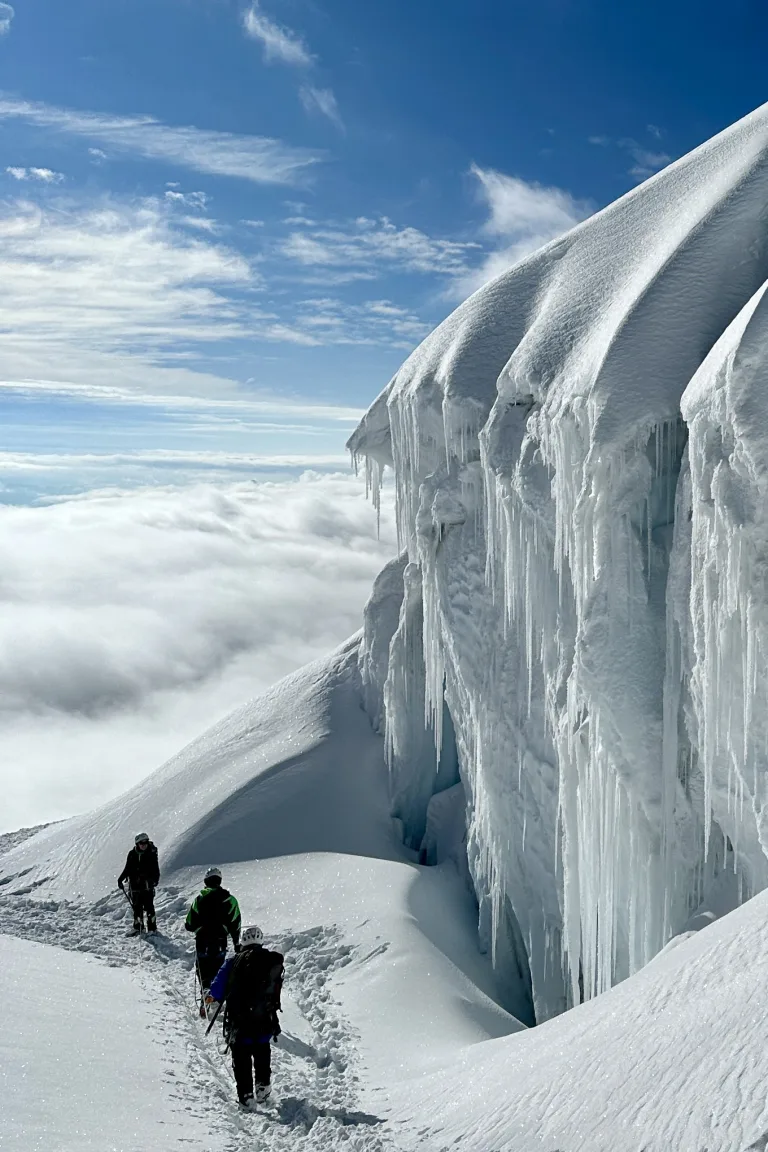
From the moment I landed in Latin America, I kept hearing whispers about Route 36, the infamous cocaine bar in La Paz where tourists could openly buy cocaine over the counter. As I made my way up the continent and prepared to set foot in Bolivia, I realised I barely knew anything about the country or what I was going to do there. The two things I knew for sure were that, number one, I was going to climb Huayna Potosi and, number two, I was going to find out whether Route 36 was actually real.
Apart from the name, I knew nothing about this so-called secret bar. I didn't know if it really existed, how it worked or whether it was safe to visit. That's exactly why I've put this page together. Not as a recommendation, but as a first-hand account for people like me who are curious about what Route 36 Bolivia is really like. Unlike most of my other guides, this one isn't about completing a hike without a guide. It's more of a storytelling piece recounting my experience at Route 36, which I somehow ended up visiting twice during my stay in La Paz.
Some links in this guide are affiliate links. I may earn a small commission if you book through them, at no extra cost to you. I only link to places I have personally stayed and would recommend. Affiliate Disclosure.
Everything About Route 36
Route 36 is an underground bar in La Paz, Bolivia, known for selling cocaine to tourists over the counter almost as casually as serving a beer. It has become one of the most infamous stories on the South American backpacking trail, partly because of what it is and partly because of the secrecy surrounding it. Route 36 has been part of backpacker folklore since at least the late 2000s, but it became internationally famous in 2009 when The Guardian published an article describing it as the world’s first “cocaine bar”.
Route 36 is famous among backpackers for obvious reasons. A lot of travellers come to South America curious about cocaine, and Route 36 has become one of those stories passed from hostel to hostel. Being inside Route 36 is probably the closest it can feel to buying and using cocaine legally, even though the operation itself is technically illegal.
The strange thing about Route 36 is that once you're standing at the door, it's easy to forget that this isn't a normal bar. At first glance, it looks and operates like any other small bar in South America. You are surrounded by tourists you may have met at your hostel, the furniture is nothing unusual and the atmosphere feels surprisingly casual. The only immediate reminder that something is different is that you had to arrive by taxi rather than simply walk in from the street. Once you get inside, however, it doesn't take long to remember exactly what Route 36 is.
The exact location of Route 36 changes regularly, partly because of noise complaints but also because secrecy is a major part of how the place operates. As you can imagine, a cocaine bar catering to tourists and running into the early hours of the morning every night isn't exactly the quietest spot in town. With music playing late and people coming and going throughout the night, it makes sense that the location doesn't stay fixed for too long.
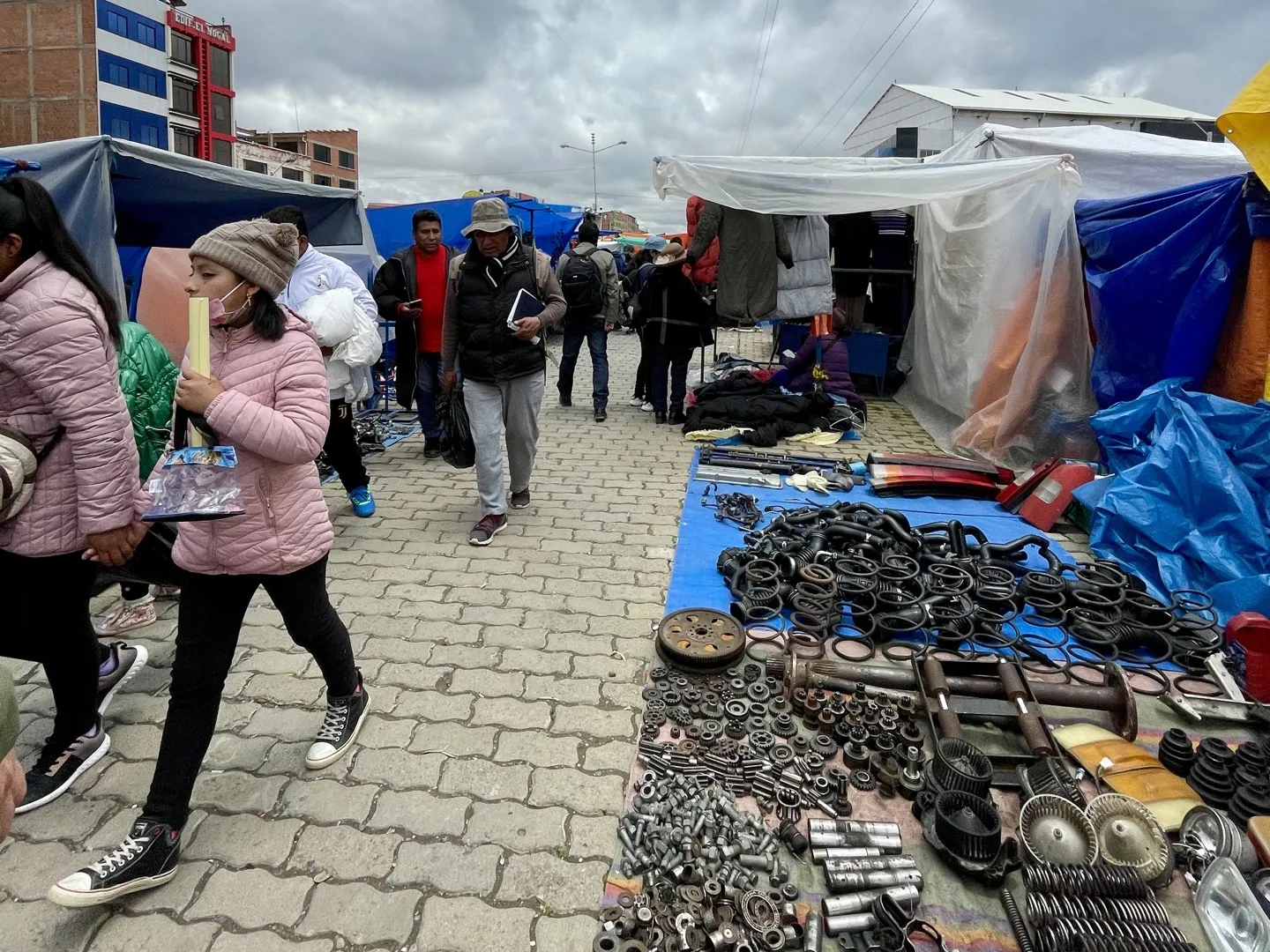
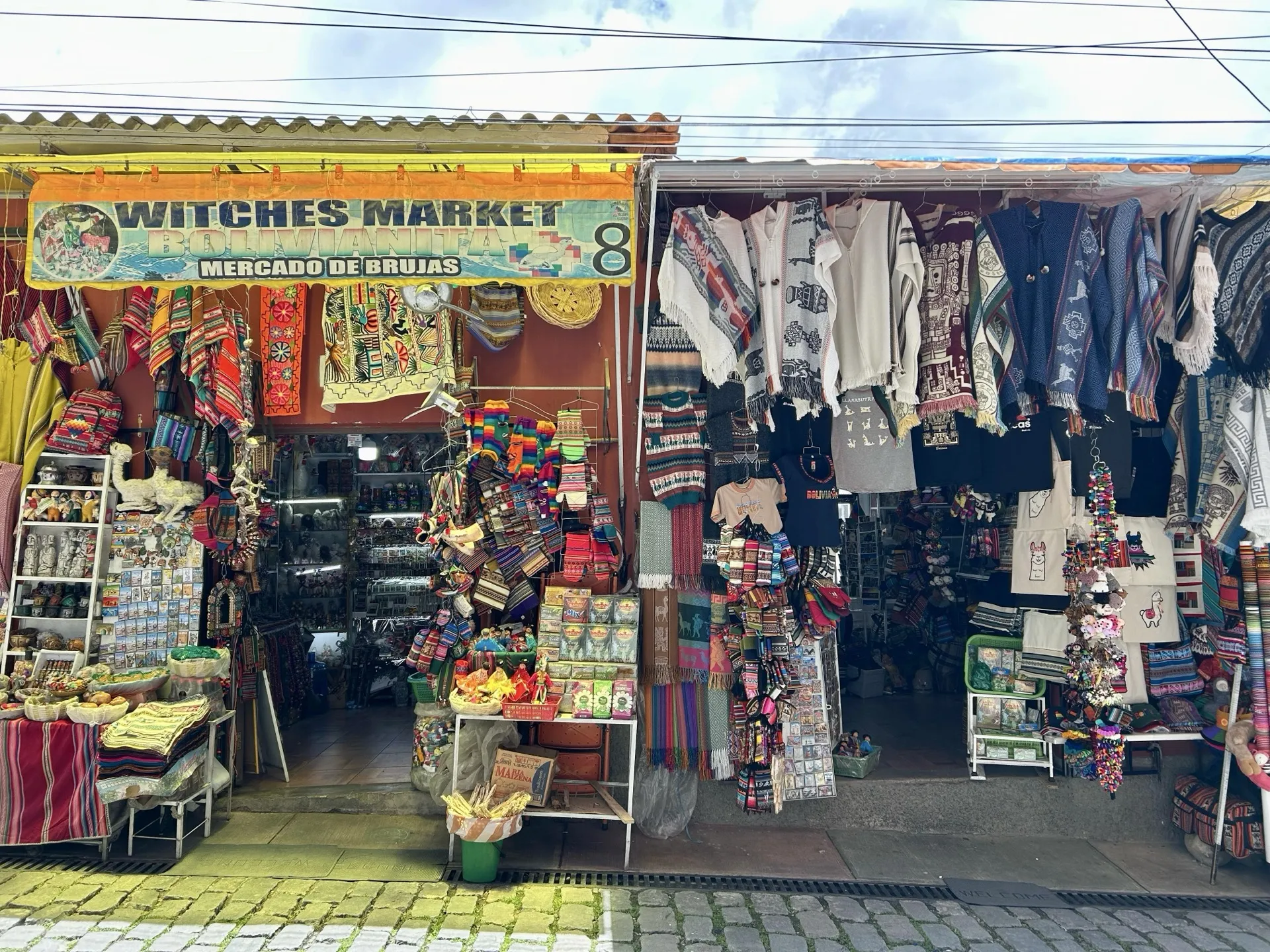
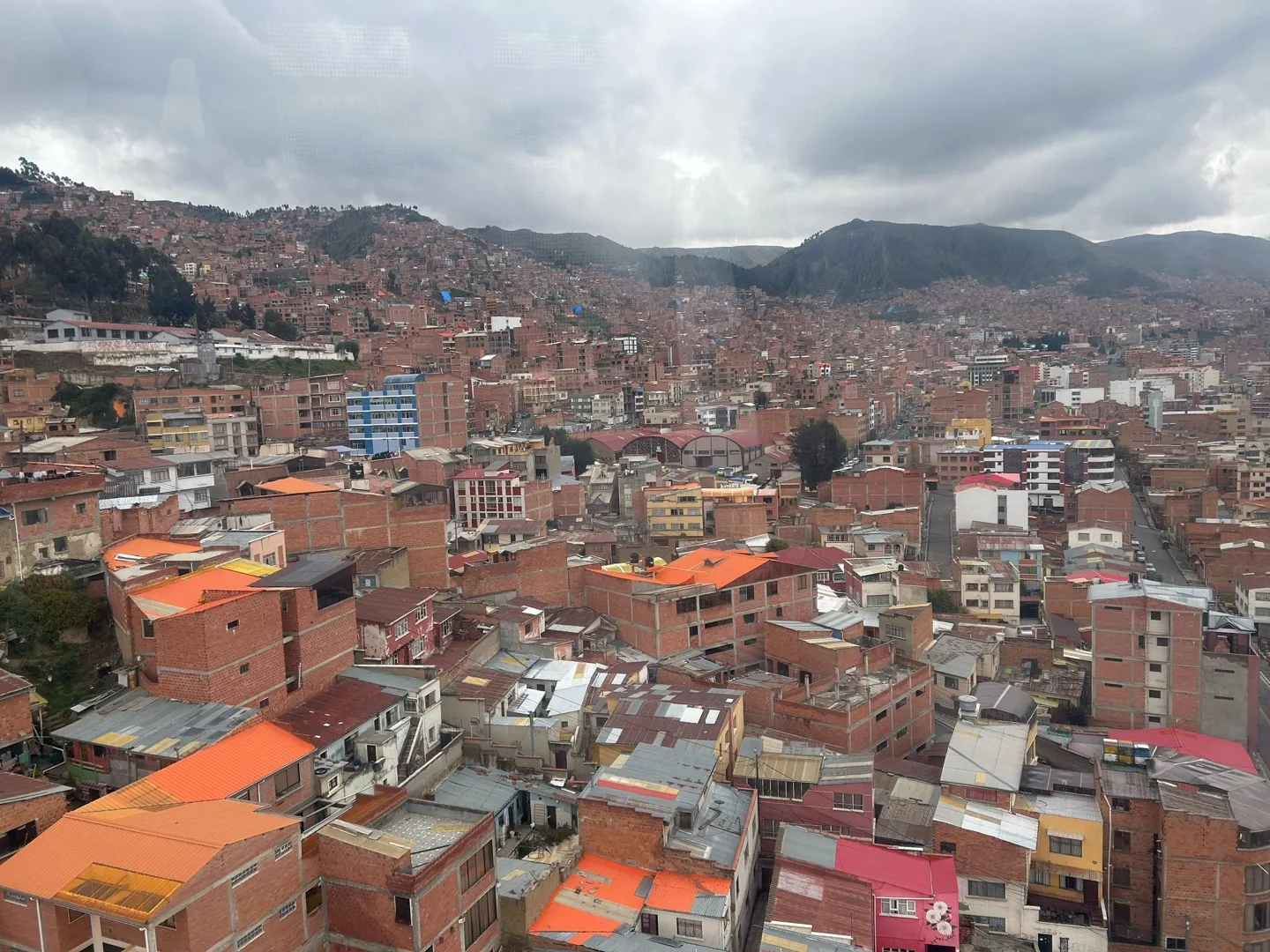
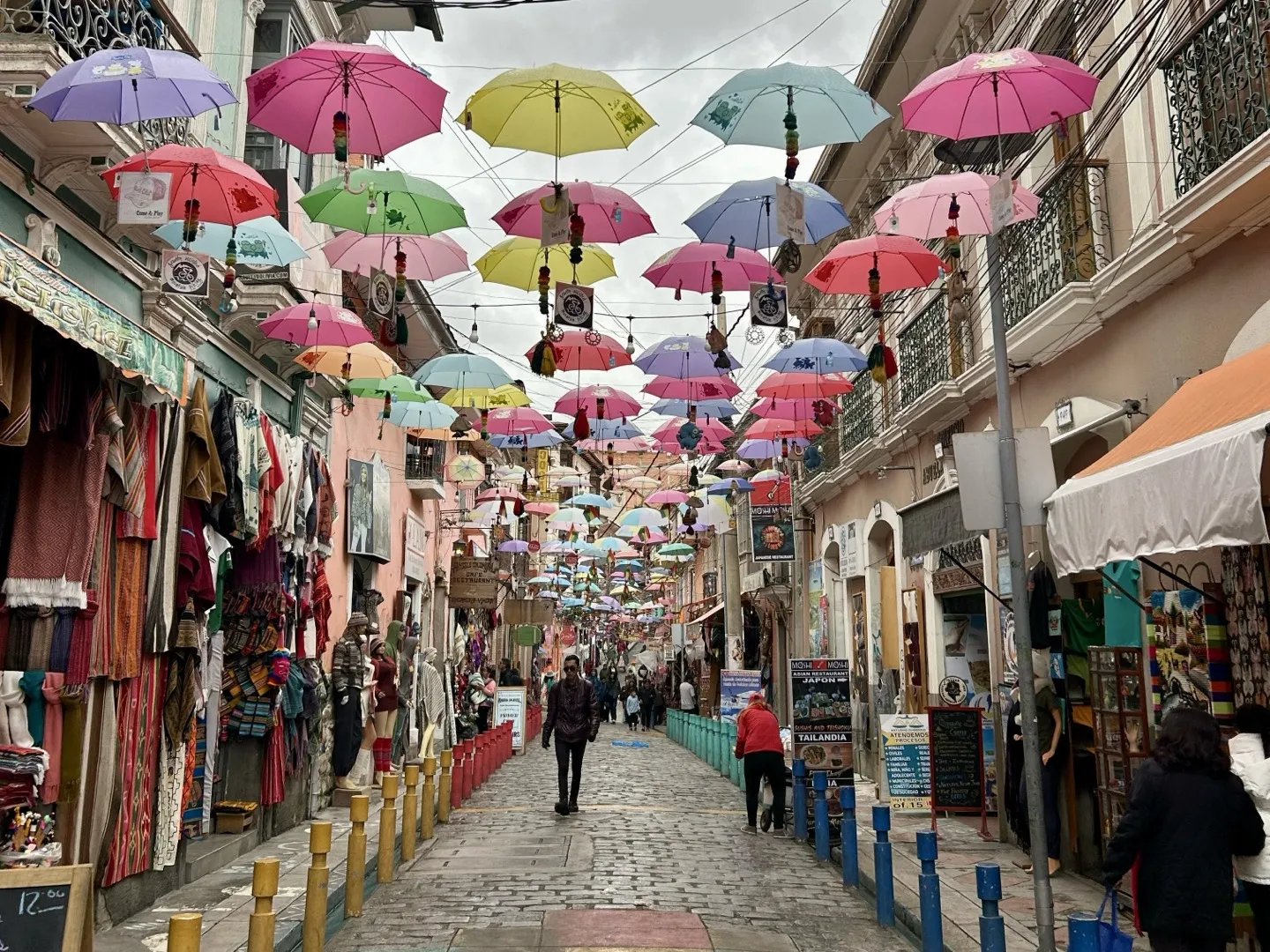
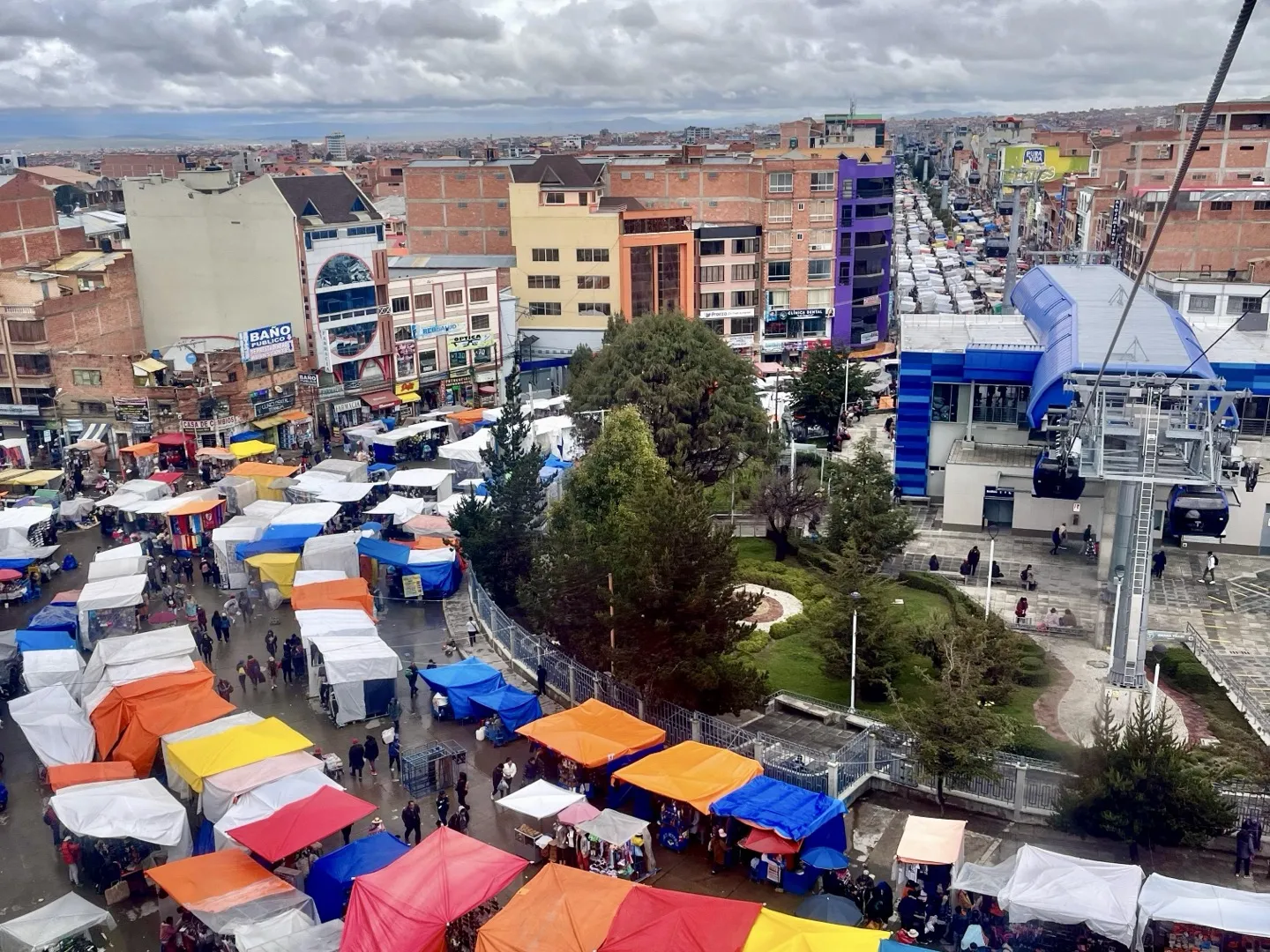
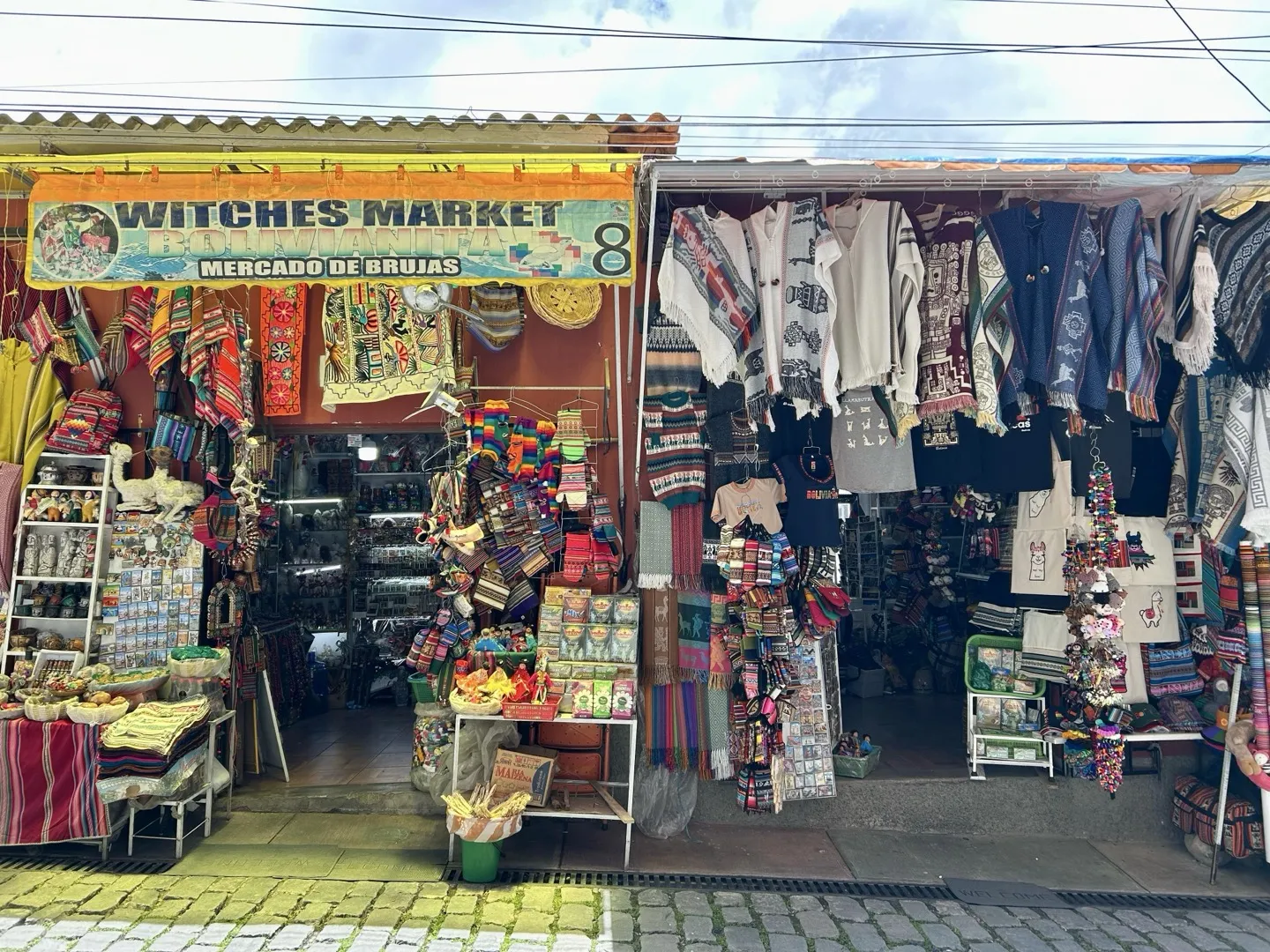
When we visited Route 36, it was near the Witch's Market, right in the heart of La Paz. While the location changes regularly, it is usually somewhere central because the bar relies heavily on tourists and backpackers to stay in business.
The address of Route 36 isn't advertised online, so you can't simply Google it and make your way there as you would with a normal bar. I'd also avoid asking random people on the street about it. Route 36 has a controversial reputation in La Paz, and not every local will be pleased to tell you where to find it.
The best way to find Route 36's current location is to ask a taxi driver to take you there. Whoever runs the bar keeps certain drivers informed, so many of them know exactly where to go. Simply ask for Route 36 in your best gringo accent and, chances are, the driver will understand what you mean. That said, not every driver will be willing to take you. Don't be surprised if some refuse outright or even ask you to get out of the car.
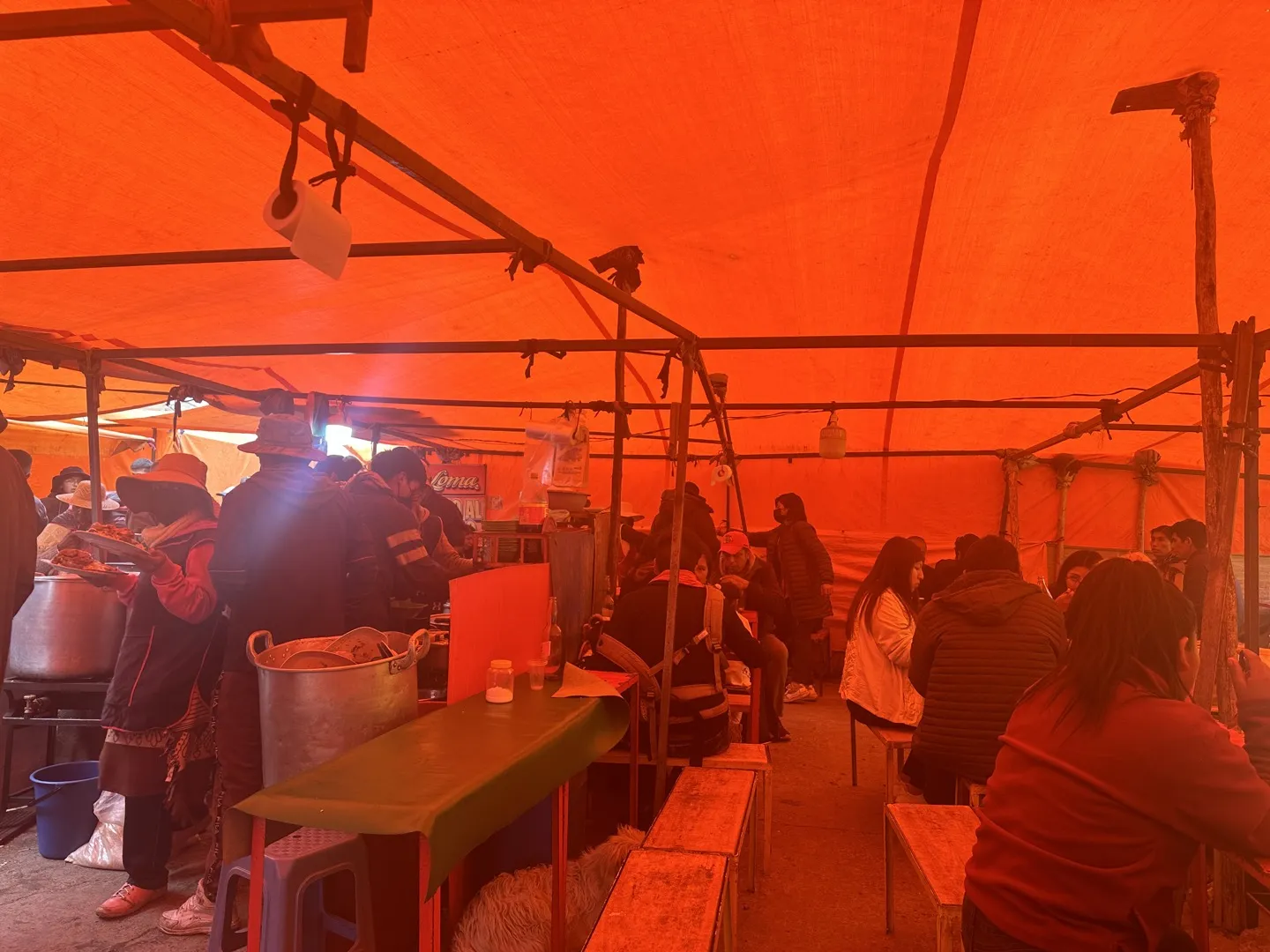
Since everyone involved knows exactly where you're going, expect to be charged a higher fare. This was something our group was more than happy to pay. To maintain the bar's secrecy, entry is only allowed if you arrive by taxi. Even if you were there the night before, they won't let you simply walk in from the street.
After asking a few taxi drivers, making the short drive to the door and paying the 40 BOB (US$5.80) entrance fee, I had finally set foot inside Route 36. My first thought was that the place looked much dingier than I expected. I thought a cocaine bar might have some sense of elegance or class to it, but I was quickly brought back down to reality. The furniture was worn, there were a few cafe tables and stools, and the whole place felt more like your mate's house during an after-party than a bar. To keep things under the radar, the windows were completely blacked out, so you had no real perception of time until the staff told you the place was closing.
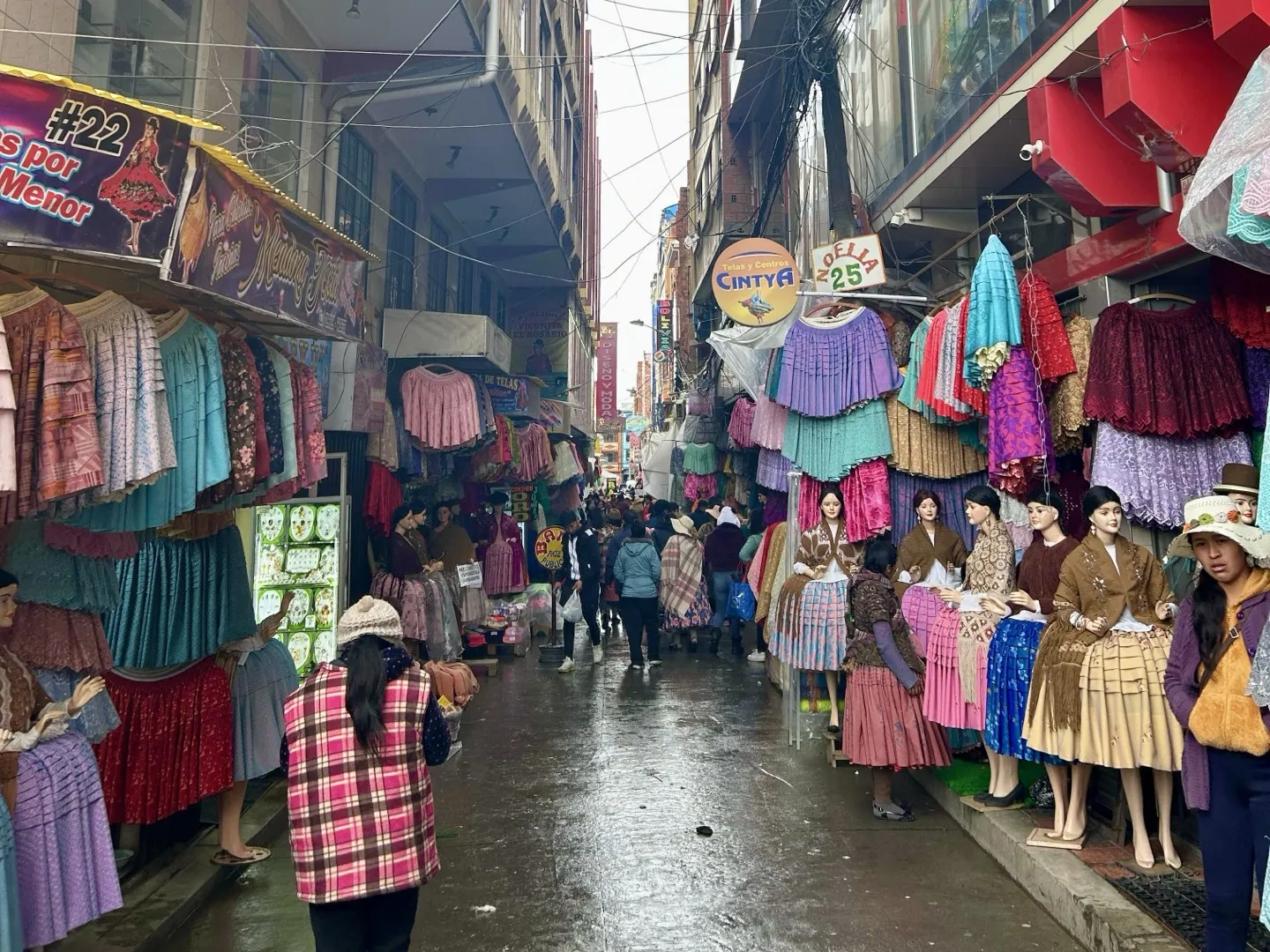
Before leaving for Route 36, I found a group of around 10 people from my hostel to go with. The first thing we did after entering was rearrange the tables and chairs in the middle of the room. Pretty quickly, smaller groups of tourists from nearby hostels joined us, and the night officially kicked off. We placed our first order for everything the bar had to offer, and within minutes, it arrived on a silver tray with everything neatly arranged. It was at that moment that I realised Route 36 wasn't just a backpacker myth, but that I was right in the thick of it. Having summited Huayna Potosi the previous day, I had completed the two Bolivian bucket-list activities I had set out to do within 24 hours.
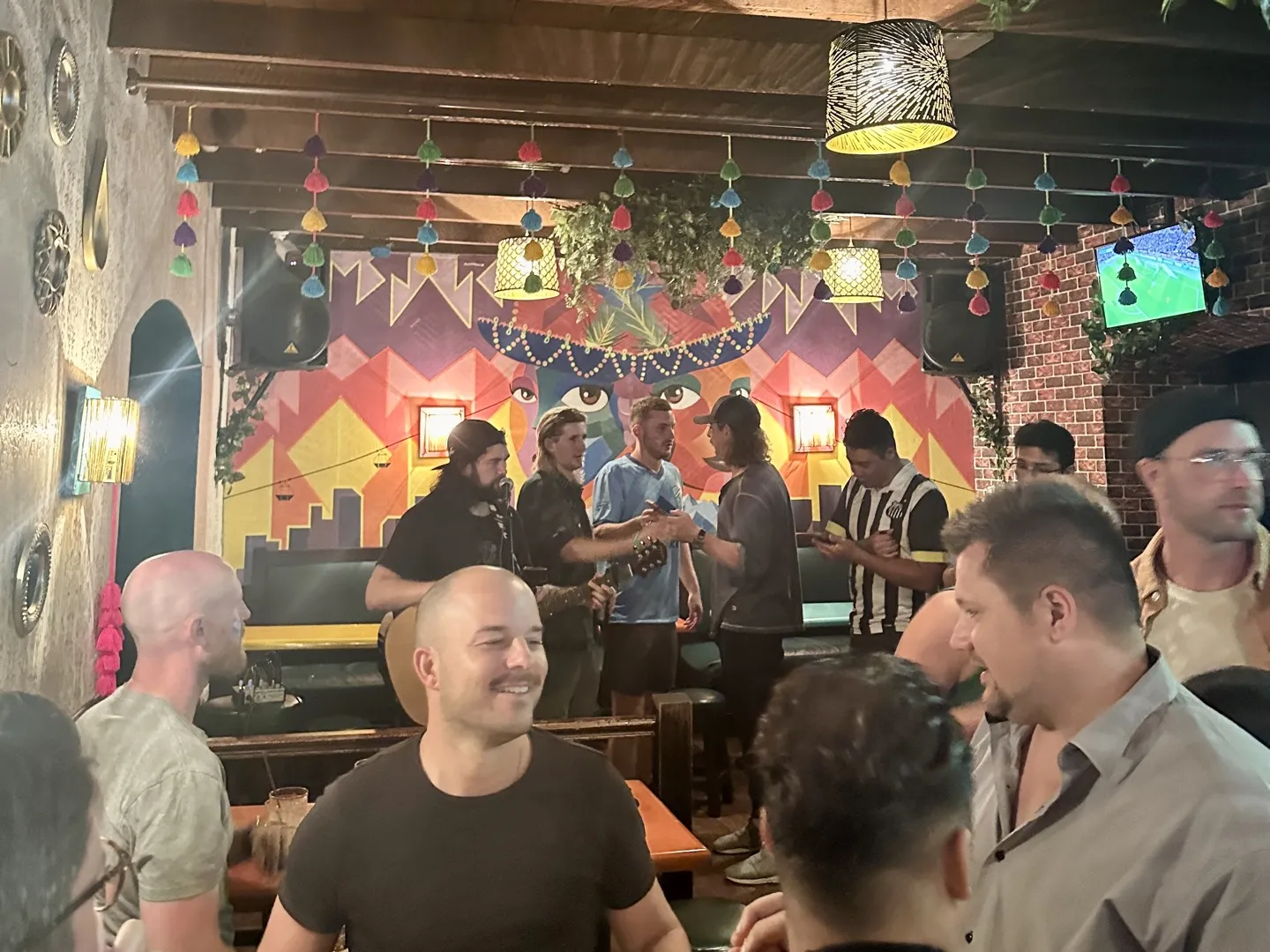
As the night went on, the DJ began taking song requests, which once again made it feel like I was in someone's garage rather than one of the more secretive bars in La Paz. The night continued well into the morning and carried on once we returned to the hostel, where most of us were staying anyway.
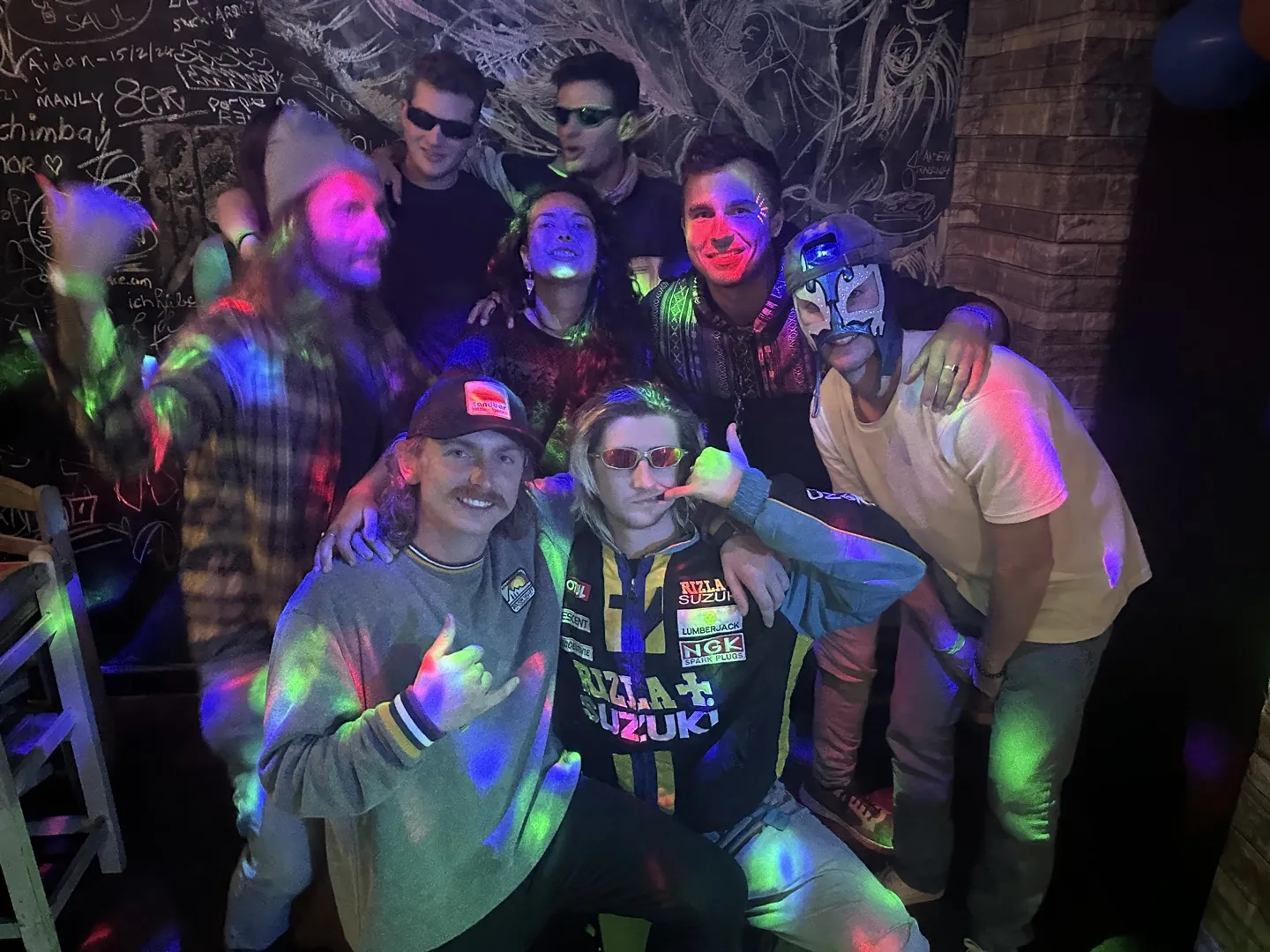
Based on my experience, I wouldn't recommend getting there too early. Route 36 is the kind of place that makes more sense later in the night, once people have already had a few drinks at the hostel or spent some time out and there is more energy in the room. Since most people visit in groups from nearby hostels, arriving later also gives you a better chance of walking into a lively atmosphere rather than an almost empty bar.
Using your phone inside Route 36 is strictly prohibited, and if you pull it out, you'll be told off straight away. It's easy to forget where you are and instinctively grab your phone to send a quick message or check the time, but the staff will remind you to put it away every time. They are generally polite about it, but when it comes to photos, they don't mess around. If they catch you taking a photo, they'll make you delete it on the spot. And let's be honest, it probably isn't worth getting on the wrong side of the people running an underground cocaine bar in the middle of Bolivia.
That said, after getting to know the staff, they allowed us to take a few photos on our final night, but only because they were the ones taking them. This was the only time we heard of them making an exception, so don't count on it.
If there is one thing more prohibited than using your phone, it is bringing cocaine in from outside. One of the main jobs of the staff at Route 36 is to make sure tourists only buy and use the product sold by the bar. If you try to bring anything else inside, there is a good chance they will notice, and it is not worth taking the unnecessary risk.
The staff at Route 36 seemed confident that they could instantly tell the difference between their cocaine and cocaine bought elsewhere, which probably tells you enough about the quality they claimed to be selling. If you get caught, you'll likely be kicked out immediately, so it isn't worth testing.
By now, you've probably formed your own opinion about whether you would ever check out Route 36, but your final question might be just how safe and legal the whole operation really is. The black-and-white answer is that it isn't legal. It might feel strangely normal once you are inside, but Route 36 is still an underground bar built around something illegal.
When I tried to do my own research before going, there wasn't much solid information online. I found a few old Reddit threads mentioning police raids, but it was difficult to tell what was true and what was simply rumour. What I can say is that there will always be a risk attached to a place like this. You are still inside a venue where cocaine is illegal but is being sold openly to tourists, in a country where the legal system is not something you want to get caught up in.
In my experience, the group I was with had nothing but positive interactions with the staff. The people behind the bar were friendly, the DJ took song requests throughout the night and we all made it back to our accommodation ready to continue partying. However, the reality is that it is still an illegal venue, and there would not seem to be any good reason for being there if you were questioned by Bolivian police on your way out.
My main safety advice is to stay quiet and keep a low profile when you enter or leave Route 36. Once the night has come to an end and you are back on the street, avoid drawing attention to yourself and don't walk home, especially if you are by yourself. La Paz can feel quiet at night, but you never know who might be lingering around at that hour. A group of tourists heading back to their hostel after a long night of partying can be an easy target for people with bad intentions. Whenever you decide to leave, take a taxi back to your accommodation to reduce the chances of anything going wrong.
If someone asked me whether they should visit Route 36, I would tell them it depends on the kind of night they are looking for in Bolivia. If you are travelling through South America to meet people, go out and experience places you genuinely cannot find anywhere else, then I understand why Route 36 is tempting. There truly isn't another place like it that I know of. However, if you're the type of person who is more laid-back and doesn't really partake in nights out, I would probably skip it.
A lot of you reading this blog are probably curious about Route 36 for the same reason I was. It is one of the only known, somewhat commercialised cocaine bars in the world. Because of that, I found it to be a very social place. It was easy to strike up conversations with everyone there, mainly because we had all ended up at Route 36 out of the same curiosity. That said, there is nothing glamorous about the bar. The interior feels more like someone's living room than an actual venue, and there is always the underlying reality that you are sitting inside a place serving cocaine openly to tourists.
My honest take is that Route 36 was interesting, fun and completely different from anything else I experienced in South America. It gave me one of the stranger stories from my trip and is still a place I look back on with a chuckle. That said, it is probably not somewhere I would go running back to. I am glad I experienced it, but for me, Route 36 was the kind of place you visit once (or twice in my case) and leave it there.